The Pentagon confirmed this week that additional naval vessels and military personnel have been repositioned to waters near Cuba, a move that has intensified speculation about a possible US military operation on or around the island. Defense officials said the deployments began in mid-September and are continuing as of September 27, 2026.
Cuban state media condemned the buildup as an act of aggression, while US officials have characterized the movements as part of broader counter-narcotics and regional security operations in the Caribbean.
What Is Known So Far
According to statements from the Department of Defense, the repositioned assets include surface ships and support aircraft operating in international waters near Cuban territory. Officials have not publicly confirmed the total number of personnel or vessels involved, citing operational security.
A Pentagon spokesperson said the deployments are consistent with ongoing efforts to disrupt drug trafficking routes through the Caribbean basin, an area long used by smuggling networks moving narcotics toward the United States. However, the scale and timing of the buildup, alongside heightened rhetoric from Washington in recent weeks, have led analysts to question whether the operations extend beyond routine interdiction missions.
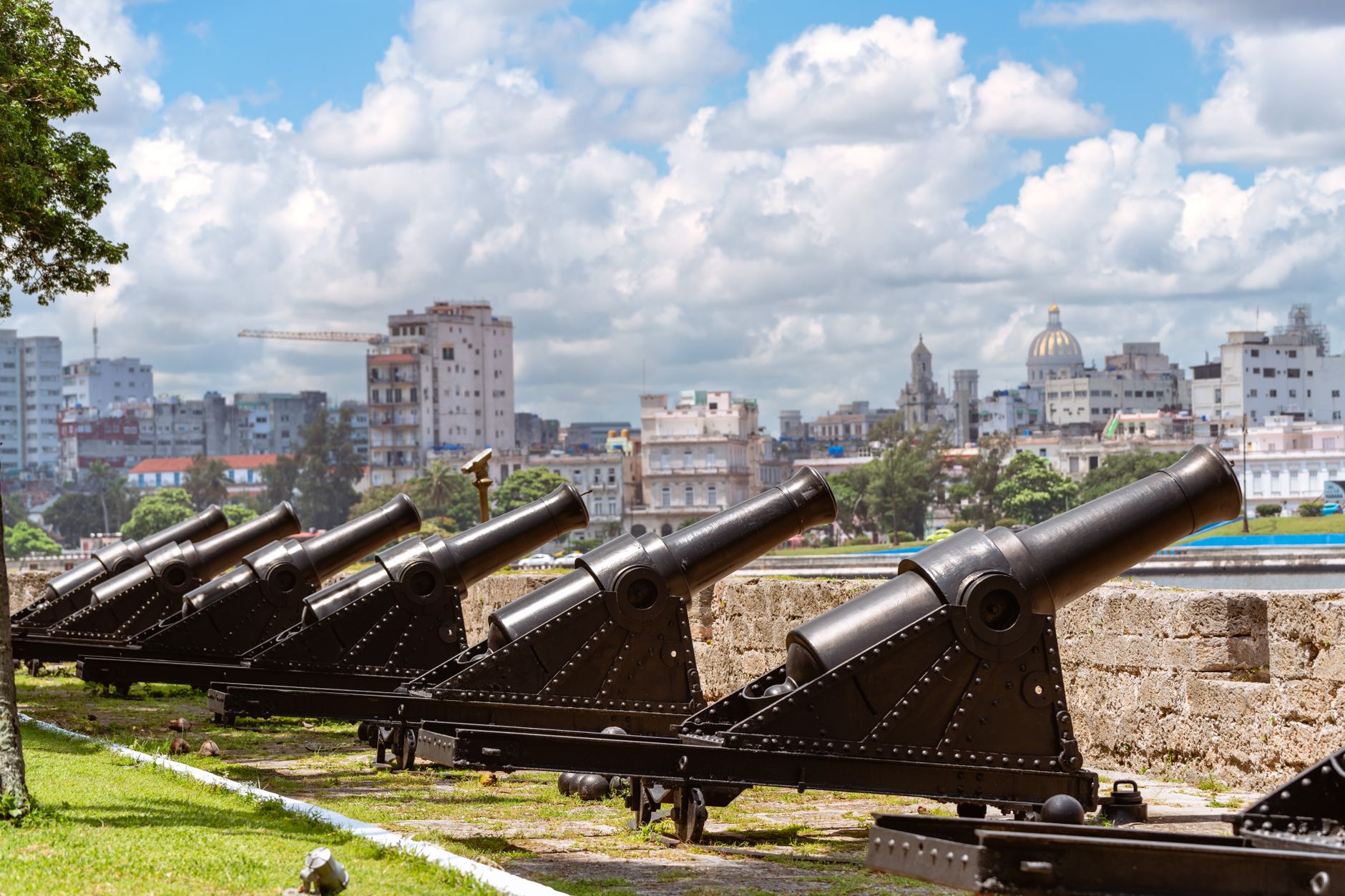
The Cuban Foreign Ministry issued a statement calling the deployment “a hostile provocation” and demanded an explanation through diplomatic channels. Cuban officials have placed coastal defense units on heightened alert, according to reports from state broadcaster Cubadebate.
Historical Context
Tensions between Washington and Havana have simmered for decades, dating back to the 1962 Cuban Missile Crisis, when the presence of Soviet nuclear weapons on the island brought the US and USSR to the brink of war. While the current situation does not involve a comparable nuclear standoff, the historical weight of any US military presence near Cuban shores continues to shape both domestic and international reactions.
The United States has maintained a naval base at Guantanamo Bay since 1903 under a lease agreement Cuba considers invalid. That base has occasionally been a flashpoint in bilateral relations, particularly given its use for detention operations in past decades.
“Any expansion of military posture near Cuban territory will be read through the lens of six decades of confrontation,” said one regional security analyst who studies US-Latin America relations.
Reactions From Congress and Allies
Lawmakers on Capitol Hill have offered mixed responses. Some members of Congress have called for full transparency from the administration regarding the scope and objectives of the deployment, while others have deferred to the Pentagon’s characterization of the operations as routine security measures.
Regional governments, including several Caribbean and Latin American nations, have called for restraint and dialogue. The Community of Latin American and Caribbean States (CELAC) issued a joint statement urging all parties to avoid actions that could destabilize the region.
European diplomats have also weighed in cautiously, with several urging the United States to clarify its intentions to avoid unnecessary escalation in a region already strained by migration pressures and economic instability.
Cuba’s Response
Cuban President Miguel Díaz-Canel addressed the nation in a televised statement, asserting that Cuba would defend its sovereignty against what he described as external pressure. He did not specify what defensive measures, if any, have been implemented beyond the coastal alert status already reported.
Cuban officials have also appealed to international bodies, including the United Nations, to monitor the situation and have requested consultations with allied nations, though no formal Security Council session has been scheduled as of this report.
What Happens Next
The Department of Defense has not indicated a timeline for the deployment or whether additional assets will be sent to the region. Officials have repeatedly declined to comment on whether the administration is considering options beyond interdiction and surveillance operations.
Analysts note that any further escalation, including expanded troop movements or direct incursions, would carry significant diplomatic and economic risk, particularly given ongoing US relationships with other Latin American governments watching the situation closely.
For now, the standoff remains one of posture and rhetoric rather than confirmed conflict. Both governments have signaled openness to diplomatic communication, even as military assets remain in place. NarwhalTV will continue to update this story as new information becomes available from official sources.
Key Takeaways
- The US has confirmed additional naval and military assets near Cuba as of mid-September 2026.
- Officials describe the operations as counter-narcotics related, though the scale has raised questions.
- Cuba has condemned the buildup and placed coastal defenses on alert.
- Regional bodies and some US lawmakers are calling for greater transparency.
- No direct military confrontation has been confirmed as of this report.