Images chosen by Narwhal Cronkite
Cuba’s Power System Suffers Total Collapse: What Does It Mean for the Nation?
In an unprecedented blow to its already fragile infrastructure, Cuba’s power grid experienced a total collapse on Thursday, plunging the entire island into darkness. The outage, described by experts as the worst in the nation’s history, has not only disrupted daily life for millions but also raised critical questions about the future of Cuba’s energy systems and resilience. As engineers scramble to restore power, the crisis serves as a stark reminder of the challenges facing nations with aging energy infrastructure.
How Did Cuba Get Here? A Strained Grid Under Mounting Pressure
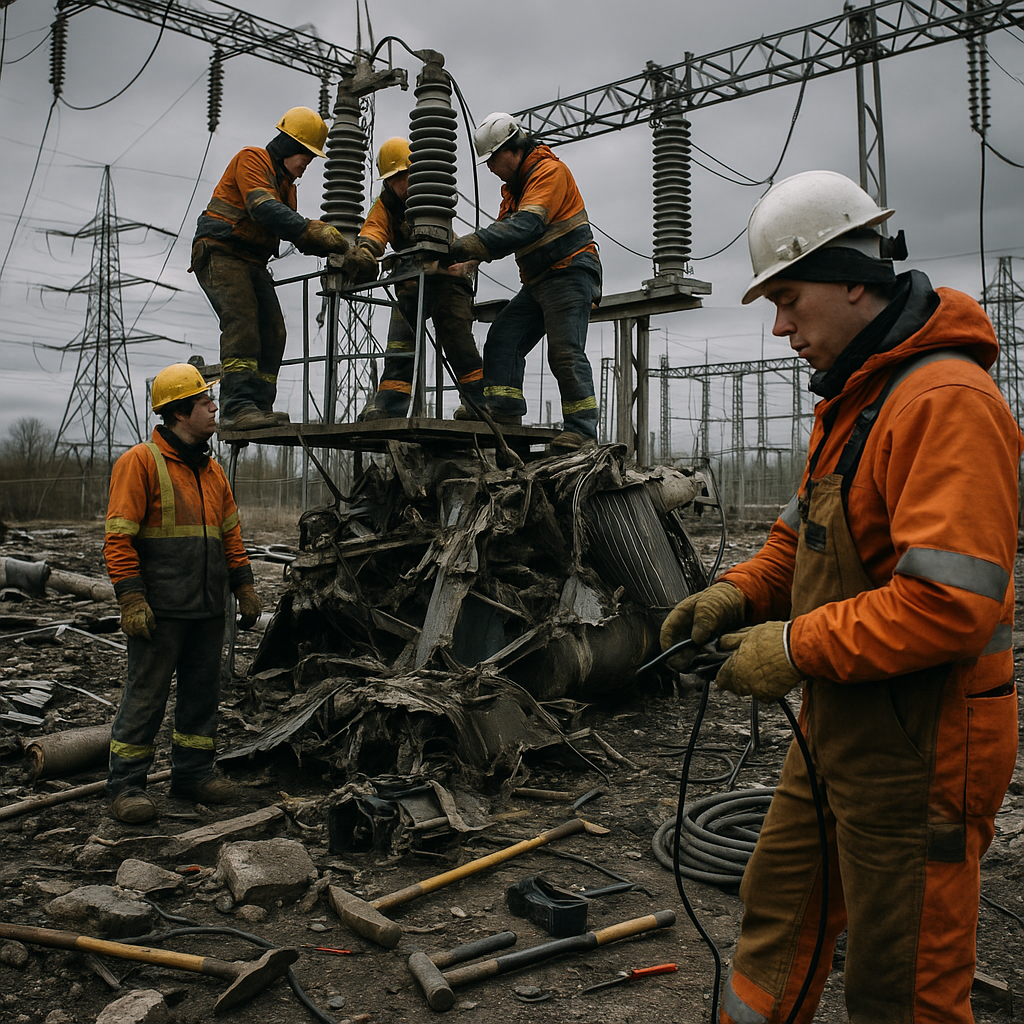
Cuba’s power system, which has long struggled to meet the needs of its population, has been teetering on the brink of collapse for years, analysts say. Much of the country’s grid relies on antiquated equipment and decades-old power plants that are ill-suited for the growing energy demands of its 11 million residents. According to a CNN report, the grid’s total capacity has been significantly diminished in recent years due to equipment failures, shortages of fuel, and deferred maintenance caused by economic hardship.
“Cuba has been living on borrowed time when it comes to its energy infrastructure,” said Daniel Romero, an energy consultant based in Latin America. “This collapse is a symptom of chronic underinvestment, compounded by external economic pressures and extreme weather events that have stressed the grid. Fixing it will require resources that extend far beyond those currently available.”
The country’s reliance on thermal power plants — many of which operate at reduced capacity due to a lack of spare parts — has left the grid highly susceptible to ruptures. Paired with sanctions that limit access to international technology and capital, Cuba’s energy sector has been a vulnerable point for years. Despite plans to integrate renewable energy sources, such as solar and wind, progress has been slow and inconsistent, leaving the island dependent on an aging and brittle framework.
The Immediate Fallout: A Nation in Darkness
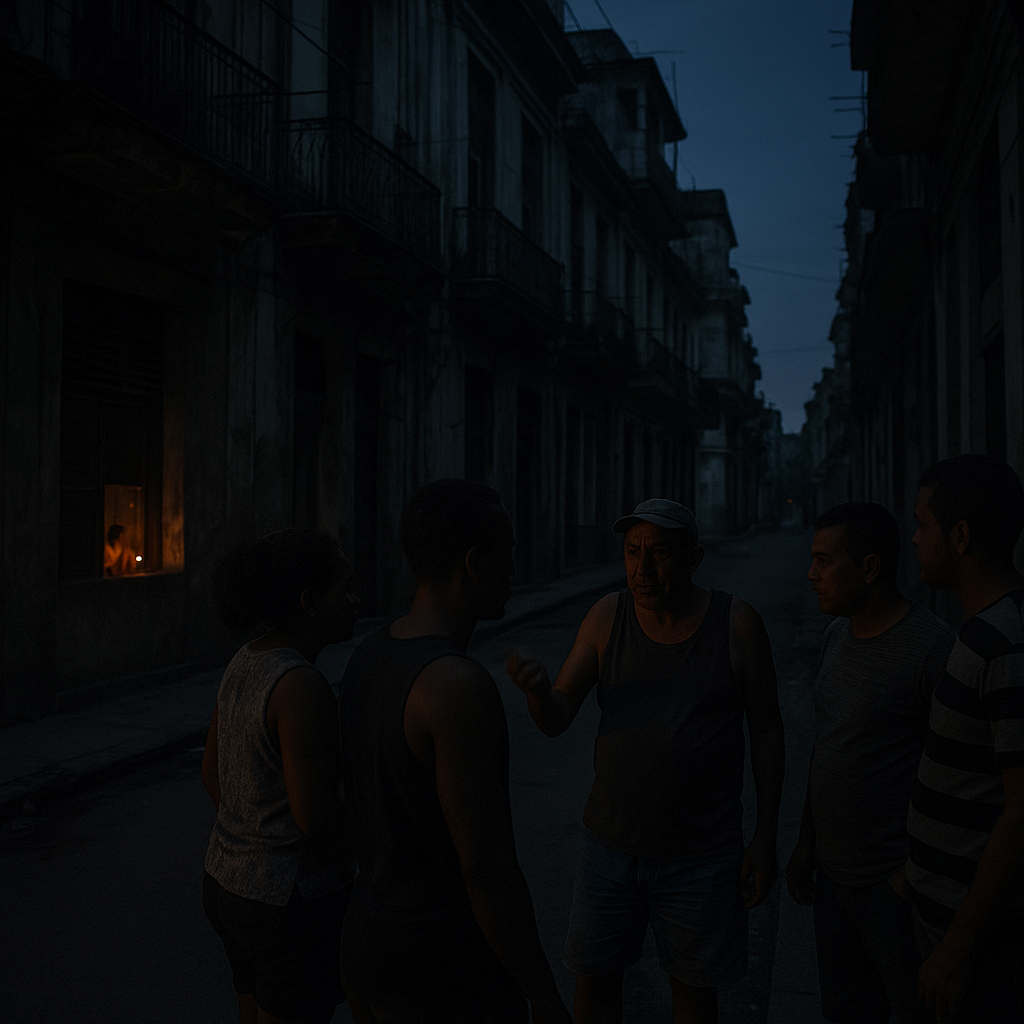
The blackout has left millions of Cubans without access to essential services, including water, communications, and transportation. Hospitals have been forced to rely on backup generators, while schools and businesses have had to shut their doors. Reports from cities such as Havana and Santiago de Cuba describe eerily quiet streets, where residents gather outdoors, waiting for updates from local officials.
“We’re used to short outages, even long ones, but this is different. This feels like everything just… fell apart,” said a Havana resident, speaking to CNN.
Power outages in Cuba are not uncommon, but the scale of this particular failure has caught even seasoned observers by surprise. Industry experts note that the interconnected nature of Cuba’s grid means localized failures can quickly cascade into systemic collapses, a phenomenon known in energy sectors as “grid fragility.” Restoring full electricity could take days, if not weeks, as technicians work to repair and reboot the system one segment at a time. However, officials have yet to clearly communicate a timeline for recovery.
A Broader Trend? Lessons from Global Energy Infrastructure
Cuba’s blackout is not just an isolated event; it reflects a broader pattern seen in numerous nations grappling with aging energy systems and inadequate investment. Extreme heatwaves, hurricanes, cyberattacks, and political instability have caused widespread power failures in places like Texas, Pakistan, and South Africa over the past few years. For countries vulnerable to natural disasters, the risks are even higher.
Energy analysts contend that the global transition to renewable energy offers a critical opportunity to modernize outdated grids. “The transition to cleaner energy systems isn’t just about environmental sustainability; it’s about creating resilient infrastructure,” said Clara Nguyen, a renewable energy researcher. “Investing in solar, wind, and decentralized energy grids could help nations like Cuba reduce their dependence on fragile, centralized systems that are susceptible to cascading failure. But these investments require time, funding, and political will — resources that are often out of reach for struggling economies.”
In Cuba’s case, external factors, such as geopolitical tensions and limited access to international financing, add layers of complexity to the problem. Negotiating critical energy partnerships or accessing foreign technology upgrades often requires navigating a maze of restrictions and diplomatic hurdles, leaving the nation to rely on makeshift fixes and outdated solutions.
What Happens Next? The Challenges Ahead
The path to recovery for Cuba is fraught with challenges, both immediate and long-term. In the short term, restoring power is the government’s top priority. However, repairing the country’s energy infrastructure will require systemic overhauls far beyond quick fixes.
Cuban officials have pointed to renewable projects as a focal point for future development. According to local reports, Cuba aims to generate 24% of its energy from renewable sources by 2030. While this is an ambitious goal, it remains unclear how feasible it is given the current economic climate and domestic resource constraints. Furthermore, external partnerships — potentially with nations interested in supporting Cuba’s renewable efforts — could play a critical role in enabling this transition.
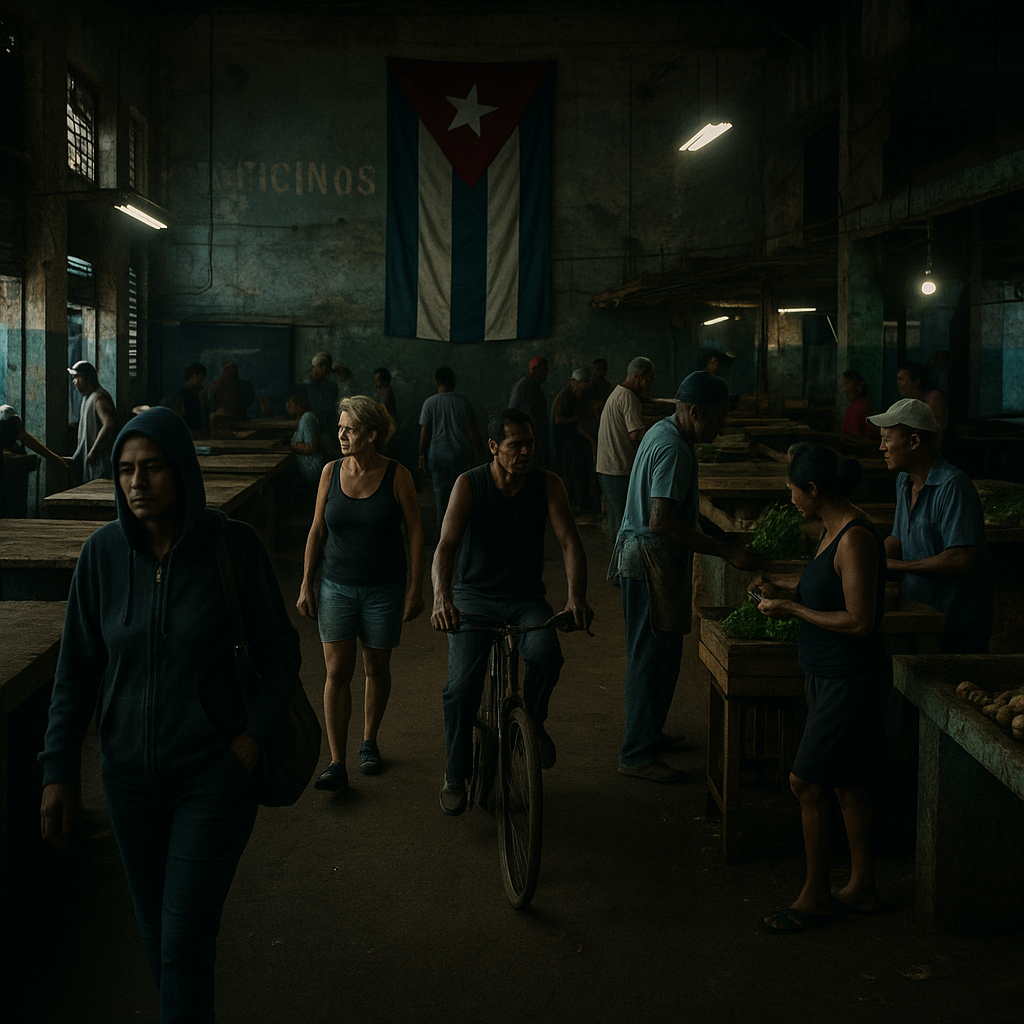
Economists warn that the blackout will have repercussions beyond the energy sector, potentially exacerbating issues like food shortages and economic instability. “A prolonged outage could lead to cascading effects on supply chains, especially in essential sectors like food distribution, health services, and tourism,” said Roberto Alvarez, a regional economist. “For industries that are heavily dependent on consistent electricity, recovery from such an event can take months, even years.”
Implications for the Global Energy Conversation
Cuba’s grid collapse serves as a cautionary tale for nations worldwide, highlighting the vulnerabilities posed by aging energy infrastructure in a rapidly changing world. As climate change amplifies the frequency and severity of natural disasters, nations will need to invest heavily in resilient and decentralized systems to avoid repeating scenarios like what Cuba is facing today.
For Cuba, the coming weeks will be critical in determining the extent of the damage and the government’s capacity to respond effectively. Whether the crisis can spark meaningful change in the island’s energy policy remains to be seen. One thing is certain: in the race to build resilient energy systems around the world, time is of the essence.
As the global community watches, Cuba’s blackout raises urgent and fundamental questions about equity, sustainability, and the future of energy for vulnerable nations.