Images chosen by Narwhal Cronkite
Delta Temporarily Suspends Travel Perks for Members of Congress Amid Government Shutdown
In a move that underscores the ripple effects of a prolonged government shutdown, Atlanta-based Delta Air Lines has announced a temporary halt to specialized travel perks for U.S. lawmakers, treating them like any other air traveler while the shutdown lingers. This decision has sparked conversations about accountability, fairness, and the broader impact of political gridlock on public services.
A High-Flying Relationship Put on Pause
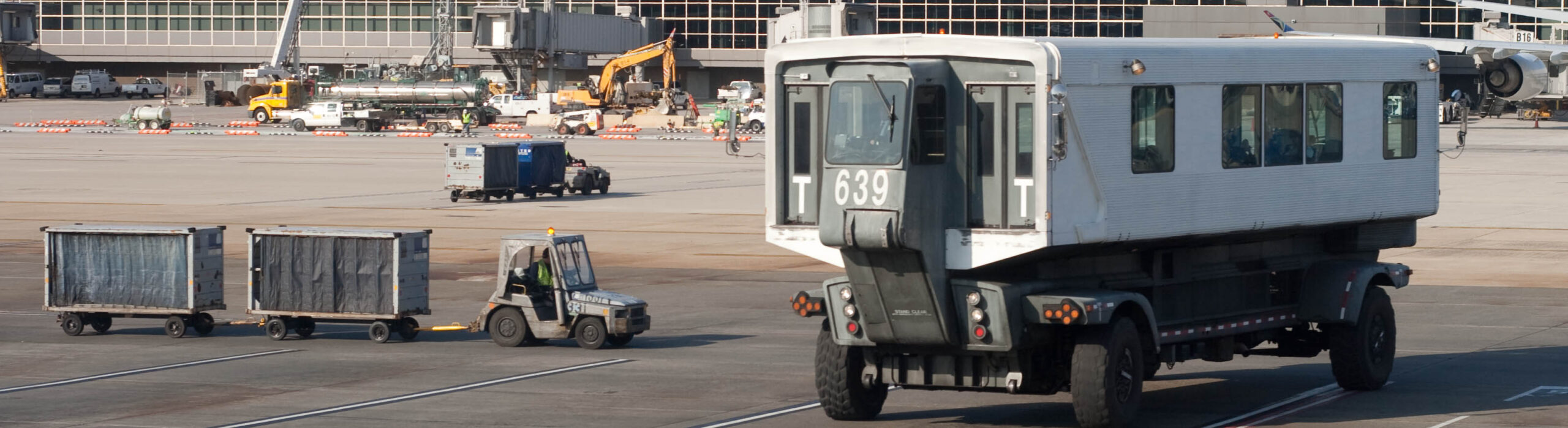
For years, Delta offered unique services to members of Congress, including personalized airport escorts and its iconic Red Coat customer-care access. These perks ensured smooth travel experiences for U.S. lawmakers, symbolizing both status and efficiency. Now, those privileges have been temporarily rescinded, with the airline citing operational strain as a major factor.
The decision comes as the partial federal government shutdown surpasses two months, causing bottlenecks in airport operations and impacting essential services like TSA staffing. Delta has emphasized its priorities in the current environment. “Next to safety, Delta’s no. 1 priority is taking care of our people and customers, which has become increasingly difficult in the current environment,” the airline said in a public statement.
The Shutdown’s Uneasy Grounding of America’s Airports
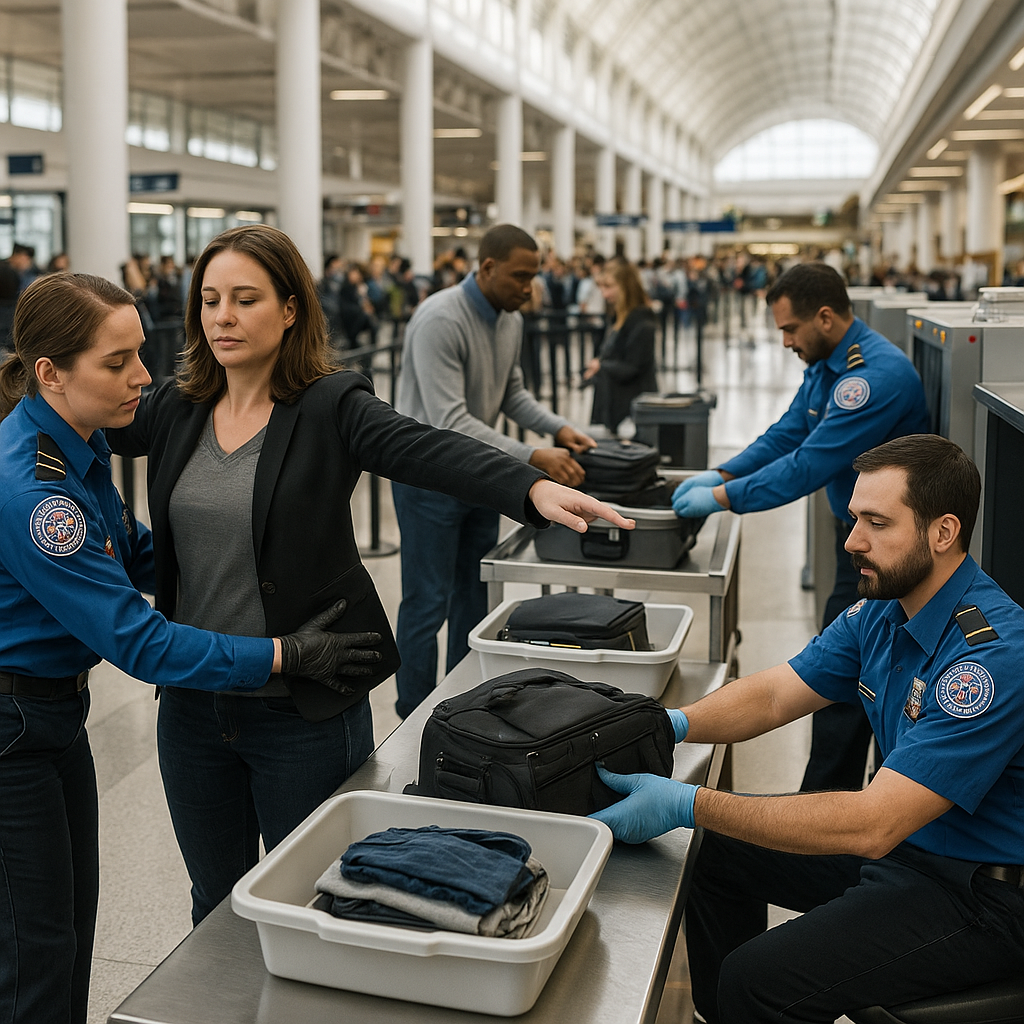
The ripple effects of the shutdown extend well beyond Capitol Hill. With long waits plaguing airports across the country, the Transportation Security Administration (TSA) has struggled to maintain operations. At Hartsfield-Jackson Atlanta International Airport, one of the busiest hubs in the nation, as many as 40% of TSA agents have called out, forcing others to work without pay.
Passengers have increasingly felt the strain, with delays, bottlenecks, and frustration mounting by the day. Industry experts express concern about the possible erosion of consumer confidence in air travel during what would typically be peak operational months. “This isn’t just about lawmakers—it’s about systemic dysfunction,” says an aviation analyst. “Airlines are now juggling safety concerns and customer practicality against political volatility.”
The dispute centers on funding for the Department of Homeland Security, which oversees TSA operations. Both political parties have remained firm on their respective stances, with Democrats pushing for policy reforms regarding Immigration and Customs Enforcement (ICE) and Republicans advocating for no-strings-attached provisional funding.
Delta CEO Fights for TSA Workers
Delta CEO Ed Bastian has been vocal in criticizing how the government shutdown jeopardizes front-line airport employees and broader airport function. On CNBC last week, Bastian took a firm stand, declaring, “It’s inexcusable that our security agents, front-line workers central to what we do, are not being paid. We’re outraged. Let’s get our people who are essential to our security paid quickly.”
Delta’s decision to stop providing specialized services to lawmakers may also be interpreted as a subtle message about shared responsibility. While the temporary suspension of travel perks might seem like a logistical adjustment, it could also serve as a reminder that the effects of political stalemates reach far beyond Washington.
Bastian’s comment underscores a growing frustration among business leaders about the lack of policy resolve, especially in sectors crucial to the public infrastructure.
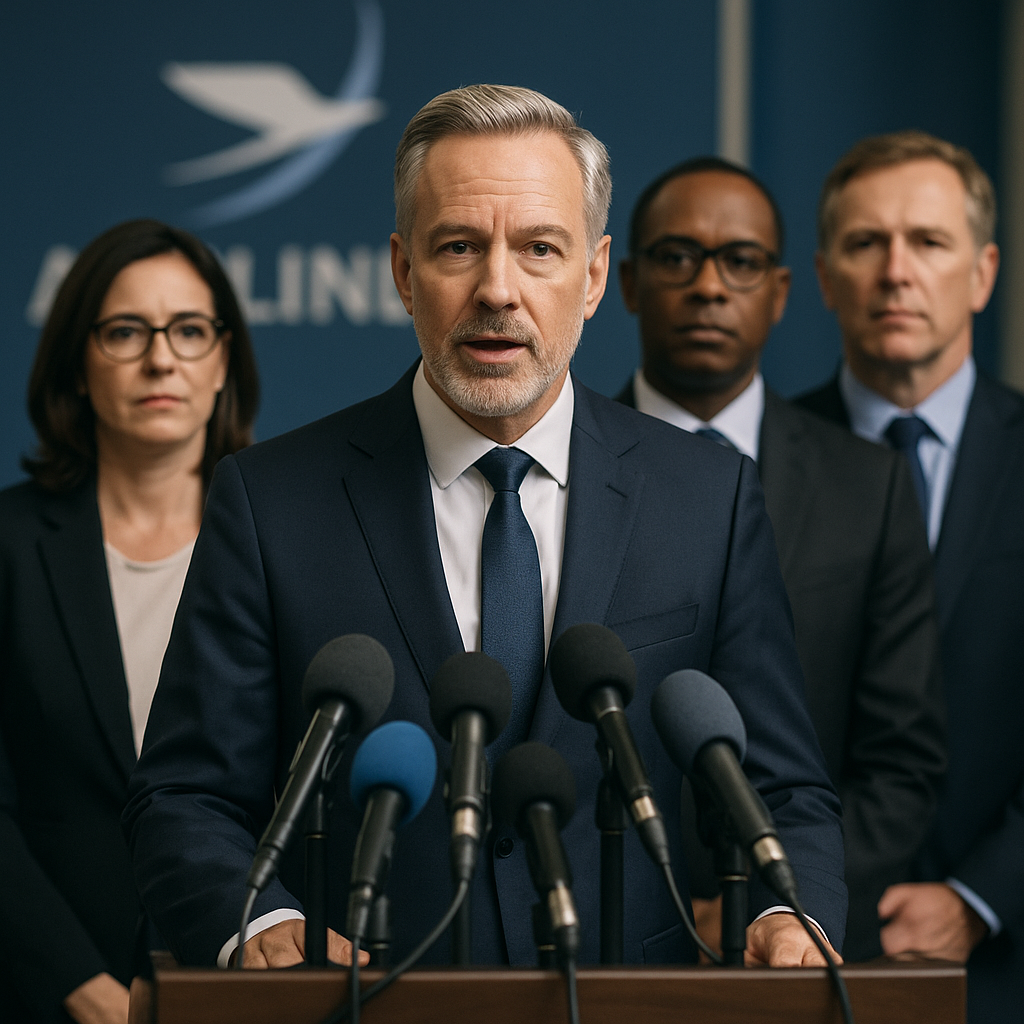
What Could This Mean for Future Airline-Government Relations?
Delta’s unprecedented move raises questions about the evolving relationship between corporate providers of public services and Washington policymakers. Will airlines adopt tougher stances, particularly if future shutdowns endanger operations and profitability? And what does this suspension say about Delta’s broader corporate values?
In the aviation industry, specialty services for government officials have been viewed as gestures of goodwill and strategic alignment. However, as companies like Delta face mounting pressure to deliver seamless services under tumultuous conditions, priorities are shifting. This change aligns with an apparent trend across industries where operational efficiency commands growing precedence over political tradition.
Some industry observers suggest that Delta’s decision could prompt airlines to push more aggressively for legislation ensuring financial protections during government disruptions. “Airlines already lose millions from delays and operational hurdles during shutdowns—expect to see greater corporate advocacy for preventive measures,” notes a travel policy expert.
Implications and What Comes Next
As the government shutdown grinds forward with no immediate resolution in sight, travel disruptions are expected to intensify. This poses challenges not just for airlines but for U.S. airports and travel-dependent industries nationwide. Observers agree that transparency and negotiations are necessary to prevent negative long-term effects on both the aviation sector and public trust.
Delta has not disclosed how long the suspension of travel perks for Congress will last, leaving room for speculation about whether lawmakers might feel disincentivized in an environment where their travel advantages are pared down.
In the meantime, travelers across the country continue to navigate long lines and underpaid TSA workers—both symptoms of the dysfunction at hand. As Delta CEO Ed Bastian has put it, “Essential operations are at risk, and there’s no excuse for inaction.” Whether this sentiment will spur policymakers toward compromise remains to be seen, but one thing is clear: if further shutdowns occur, the aviation industry will not stay neutral.
At a time when airlines and infrastructure are caught in the crosshairs of political impasse, this evolving story highlights an important question: When does operational accountability outweigh the status quo of service perks and privileges?