Images chosen by Narwhal Cronkite
Denmark Faces Turbulent Electorate: Warning of Foreign Interference
As Denmark gears up for its March 24 general election, an unsettling specter looms over the democratic process. Foreign interference, particularly from Russia, has become a key concern for Danish authorities, with implications extending to the United States and China. This geopolitical entanglement paints a concerning picture for one of Europe’s steadfast democracies, and raises questions about the vulnerability of electoral systems in the face of rising global tensions.
The Target on Denmark’s Back
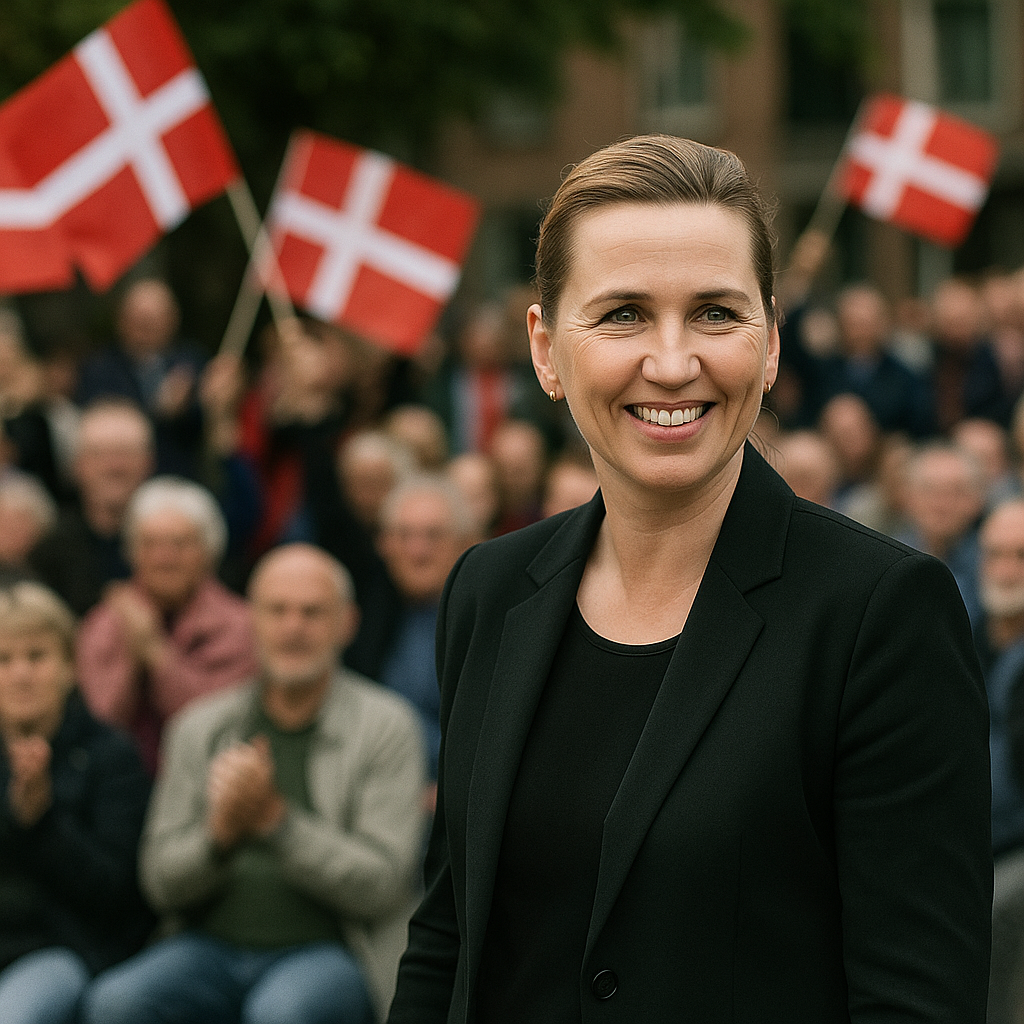
Denmark’s intelligence services have issued a stark warning about potential disruptions from foreign players. According to a statement from the Danish Security and Intelligence Service published last Friday, the nation is “highly likely” to be a prioritized target for foreign influence operations. Russia remains the primary suspect, propelled by Denmark’s staunch support for Ukraine in the ongoing war and its participation in European efforts to counter Russian aggression.
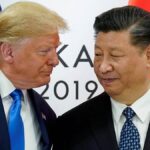
The warning, however, does not stop with Russia. The United States and China are also flagged as potential sources of influence—albeit through different mechanisms. Copenhagen’s government pointed to recent tensions over Greenland, Denmark’s semi-autonomous Arctic territory, which has heightened geopolitical interest and misinformation campaigns. “The US focus on the Kingdom has furthermore created new international lines of conflict that foreign states such as Russia and China can exploit for influence purposes,” the intelligence agency said.
Greenland’s strategic importance, amplified by disputes over Arctic resources and military access, has thrust the island onto the global stage. Notably, U.S. President Donald Trump’s revived interest in acquiring control over Greenland earlier this year saw sharp pushback from Danish officials, further complicating relations between the allies.
Prime Minister Frederiksen’s Political Calculations
Amid these challenges, Prime Minister Mette Frederiksen has sought to capitalize politically on the geopolitical turmoil. Frederiksen called for early elections, betting on her current wave of domestic popularity. Her firm rebuttal of President Trump’s Greenland overtures has bolstered her image as a disciplined and pragmatic leader capable of managing national and international tensions.
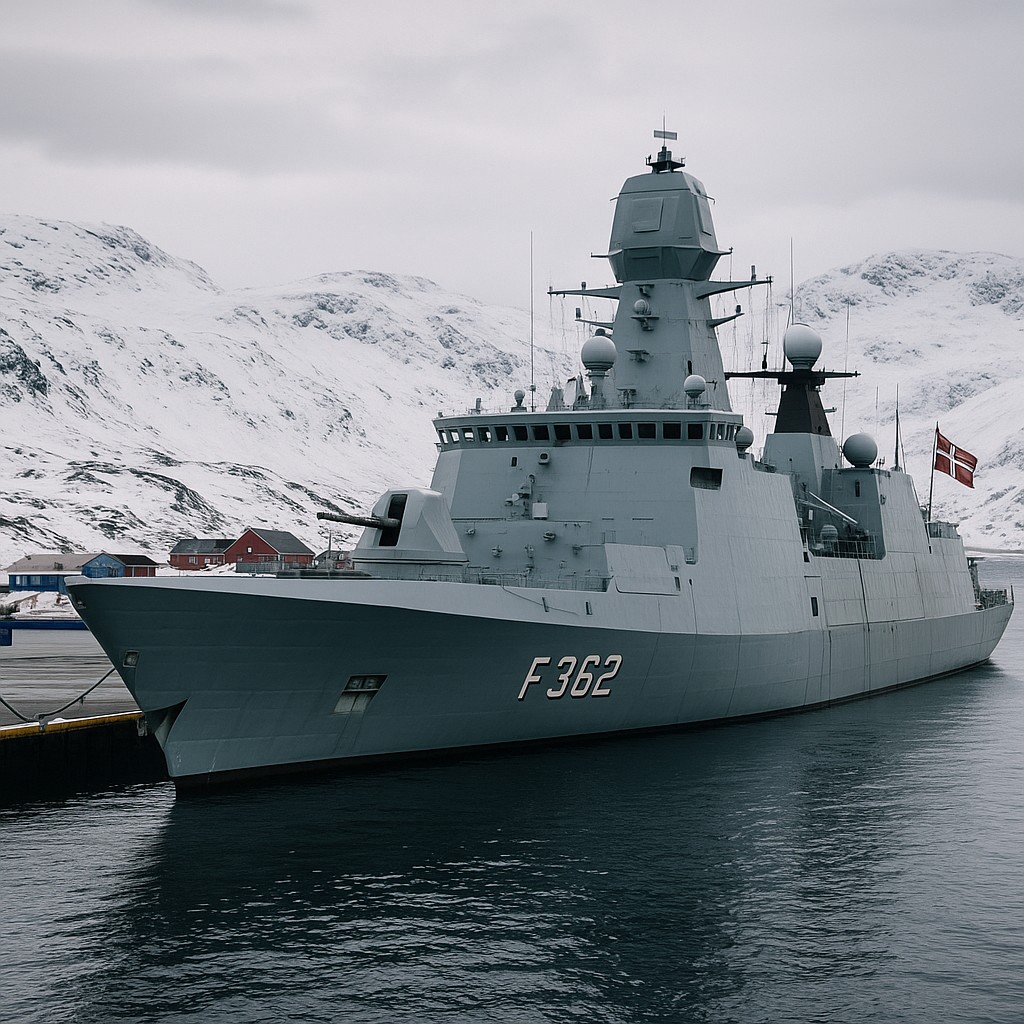
Industry observers have noted that Frederiksen’s positioning epitomizes Denmark’s long-standing ethos: balancing assertiveness in foreign policy without succumbing to larger powers’ sway. Her government’s deployment of Danish military frigates to Greenland underlines this commitment, showcasing both sovereignty and vigilance in Denmark’s Arctic affairs.
The Growing Role of Misinformation in Elections
The Danish intelligence warning reflects broader trends affecting democratic elections worldwide. High-profile misinformation campaigns, such as those attributed to Russian actors in the 2016 U.S. presidential elections, continue to evolve and find relevance far beyond America’s borders. Denmark’s support for Ukraine makes its elections a soft target for interference, analysts say.
It is important to note how misinformation operates. As cited by Reuters, fake narratives and distorted facts typically aim to undermine voter trust, sow confusion, or polarize electorates. In Denmark’s case, geopolitical rivalries could manifest as online campaigns questioning Frederiksen’s leadership or creating divisive narratives about Greenland’s autonomy.
China, meanwhile, may indirectly benefit from weakening Western institutions through subtle influence measures such as economic propaganda or cyber operations, underlined by their interest in Arctic trade routes. “Influence campaigns in today’s digital climate barely resemble Cold War tactics – they’re slick, calculated, and deeply embedded,” explained Lars Jonsson, a political analyst specializing in Nordic affairs.

What Denmark’s Case Reveals About Global Democratic Resilience
Denmark’s intelligence warning serves as a microcosm for troubling developments worldwide. According to Transparency International’s Corruption Perception Index, even democracies historically regarded as bastions of integrity—including the US, UK, and Canada—are showing declines as politics becomes increasingly polarized and populist rhetoric undermines institutional trust. (Source: DW)
Election interference is no longer confined to hacking voter rolls. It now encompasses manipulating public discourse, using advanced artificial intelligence for deepfake propaganda, and exploiting geopolitical fault lines. Denmark’s heightened Arctic tensions, Ukraine involvement, and US relations demonstrate how multifaceted vulnerabilities in governance attract adversarial plotting.
Countries including Sweden and Finland, both sharing Denmark’s regional challenges, are closely monitoring Copenhagen’s election case. “There is an increasing pressure on democracies to shore up their defenses while maintaining the delicate principles of openness,” said Annika Bergstrom, Director at Oslo Security Policy Forum.
Looking Ahead: Implications for International Stability
With Frederiksen’s March election fast approaching, Denmark faces a litmus test for how well mid-sized democracies can navigate turbulent waters of global interference. Industry experts caution that failure to protect democratic process in Denmark could ripple onward, emboldening interference in nations with weaker defenses.
Beyond immediate election concerns, the spotlight on Greenland’s territorial sovereignty ignites longer-term debates on whether semi-autonomous entities should be better shielded from external interest. The United Nations recently suggested forming specialized bodies to help small states resist undue influence tactics from major powers. Likewise, NATO has amplified initiatives directed at cybersecurity threats to key member states.
For now, Denmark remains steadfast under Frederiksen’s leadership, determined to emerge stronger and united. Observers will keep a watchful eye on whether this election serves both as a stress test for Nordic democracy and a blueprint for resilience in the future.
“This isn’t just Denmark’s fight,” says Jonsson. “It’s Europe’s, and the world’s.”