Images chosen by Narwhal Cronkite
DHS Pauses New Immigrant Warehouse Purchases Amid Contract Review
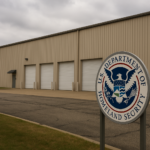
In a surprising move, the U.S. Department of Homeland Security (DHS) has announced a halt to the purchase of immigrant warehousing facilities as the agency conducts a review of contracts made during the administration of former South Dakota Governor Kristi Noem. The decision, which has drawn attention from policy analysts and immigration advocates alike, signals a potentially significant shift in how the agency handles detention infrastructure.
Understanding the Noem-Era Contracts
Under Noem’s administration, contracts for immigrant warehousing and detention facilities reportedly expanded rapidly, with federal funds used to secure several large-scale properties. These contracts, aimed at managing increased immigration enforcement efforts, were framed as responsive measures to national security and migratory pressures at the time. However, critics have often scrutinized such deals for alleged inefficiencies, overspending, and ethical concerns.
While DHS has not provided details about individual contracts under review, this pause reflects heightened scrutiny of government spending and operational transparency. “The Noem-era procurement practices focused on tackling immediate immigration policy goals,” said Maria Gutierrez, an immigration policy analyst. “But those contracts need to be revisited now that the operational landscape and political priorities have shifted.”
These properties, often referred to as “immigrant warehouses,” function primarily as holding facilities for undocumented individuals awaiting immigration hearings or deportation. In recent years, watchdog organizations have flagged practices in these facilities, citing overcrowding and inadequate conditions.
Why Now? The Timing and Context Behind the Decision
The timing of DHS’s decision has raised questions among observers, with many pointing to evolving federal priorities under the current administration. President Joe Biden’s administration has made efforts to roll back various immigration-related policies from the Trump era, focusing instead on alternative resolutions and humane management of border issues.
According to legal scholars, DHS’s actions could also be tied to concerns about accountability. Recent independent audits have revealed substantial discrepancies in the procurement process, prompting concerns that some contracts may not fully adhere to federal regulations. “Any government department relying heavily on external vendors must maintain oversight standards,” noted Anthony Williams, a former federal procurement officer. “The cost to taxpayers is enormous when improper contracts are executed.”
Broader Risks and Opportunities
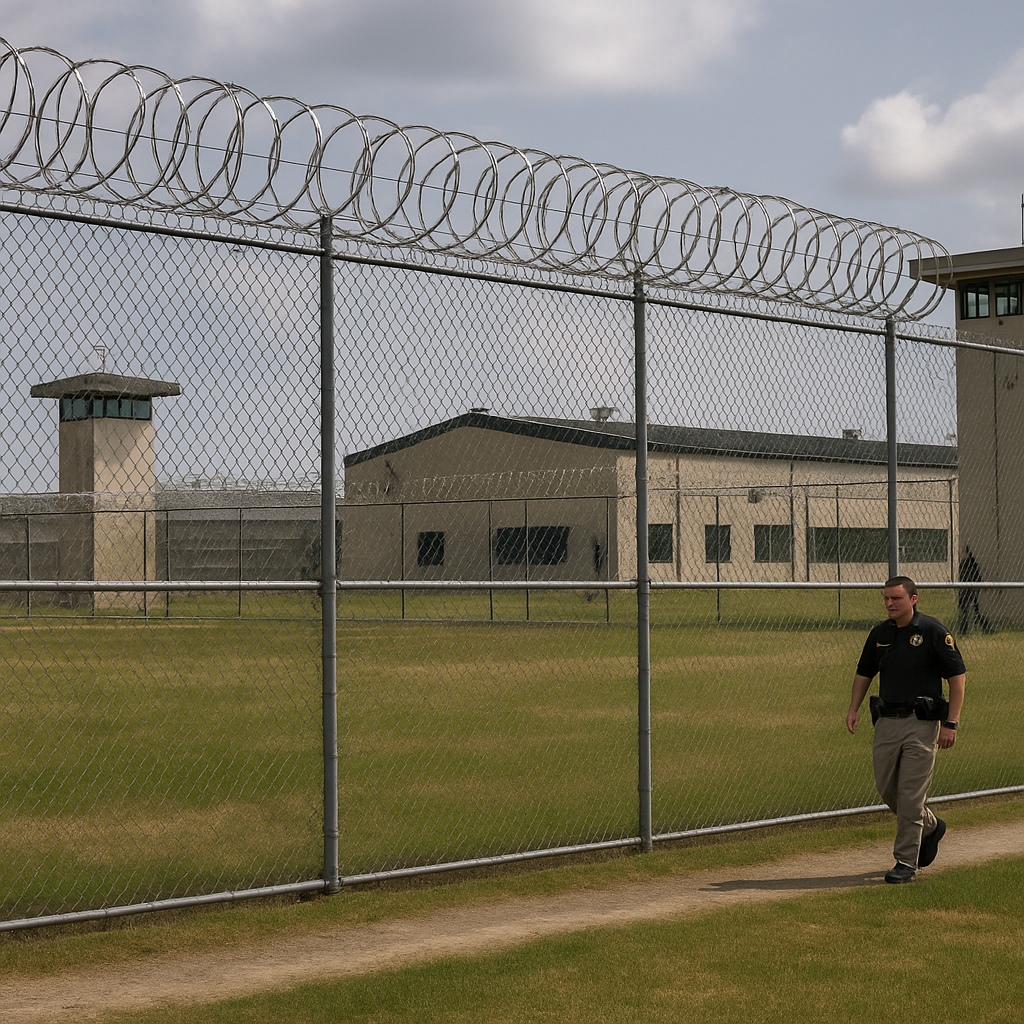
This pause also carries broader implications for immigration enforcement efforts. Critics argue that an operational freeze could disrupt existing systems, potentially leading to bottlenecks in immigration case processing. Supporters, meanwhile, claim that re-evaluating these facilities is necessary to align their use with ethical and budgetary norms.
Rebecca Yalowitz, an expert on detention facility oversight, emphasized that how DHS manages this transition will matter greatly. “We’re looking at a chance to modernize an outdated system,” she said. “But any lapse in operational infrastructure could result in people being left in limbo under deeply uncertain circumstances.”
The growing push for alternatives to detention – such as electronic monitoring systems or community placement programs – may also gain traction as a result. “This pause offers DHS an opportunity to reassess whether taxpayer money is best spent on new facilities,” Yalowitz added. “Emerging technologies might alleviate dependence on costly warehousing models while managing caseloads more effectively.”
Lessons from Past Controversies
The scrutiny of immigrant detention facilities isn’t new. Over the last decade, bipartisan reports and investigations have revealed systemic issues with RFP (Request for Proposal) transparency in federal contracts concerning ICE detention centers. Concerns range from cost overruns to allegations of prioritizing private contractors over federal enforcement.
It’s worth noting that non-governmental organizations, such as the ACLU, have repeatedly flagged concerns over conditions in these facilities. Complaints of inhumane treatment, inadequate medical care, and prolonged detentions have turned immigrant warehousing into a flashpoint for public debate.
“These aren’t just operational issues,” commented human rights consultant Sandra Park. “They’re symptoms of systemic policy challenges that require constructive solutions, not more stopgap measures.”

What Comes Next?
As DHS conducts its contract review, it remains to be seen whether the agency will greenlight the resumption of acquisitions or pivot entirely toward alternatives to detention. Policymakers and observers alike will undoubtedly monitor several related factors, including the efficiency of new contracting strategies, the quality of services provided at existing facilities, and the human impact of potential changes.
The implications of this decision extend beyond immigration policy. Transparency in procurement practices and holding federal contractors accountable have significant ramifications for public trust in government operations. “The DHS decision will either serve as a model for reform or a cautionary tale should it fail to deliver effective results,” said Gutierrez.
For now, DHS has indicated that its review process will focus on identifying procedural improvements and ensuring compliance with federal standards. “The agency’s actions could set a precedent for other departments,” stressed Williams. “A transparent and efficient review process is in everyone’s best interest.”
As the story continues to unfold, experts agree that questions of ethics, transparency, and effectiveness will remain at the forefront of public discourse.