Images chosen by Narwhal Cronkite
Elon Musk Misled Twitter Investors Ahead of $44 Billion Acquisition, Jury Says
In a stunning verdict that reverberated across Silicon Valley, a jury has found Elon Musk liable for misleading investors in the lead-up to his high-profile $44 billion acquisition of Twitter, now rebranded as X. This decision, the culmination of a long-running class-action trial, has raised questions not only about Musk’s management of the social media platform but also about broader implications for rules governing corporate transparency.
The Case Against Musk
The civil trial emerged from a class-action lawsuit filed by a group of Twitter (now X) shareholders, who alleged that Musk’s tweets and statements ahead of the acquisition had an adverse impact on the company’s stock prices. At the heart of the case were public statements and actions by Musk, including his notorious initial proposal to take Twitter private at $54.20 per share and subsequent equivocations about the deal in 2022. According to Japan Today, the plaintiffs argued that Musk’s online communications constituted a violation of federal securities laws by misleading investors about his intentions, ultimately leading to financial losses for them.
For instance, Musk repeatedly claimed he had “funding secured” to purchase the company, a statement later revealed to be far from guaranteed. During the trial, which played out in San Francisco, the defense failed to counter claims that these actions influenced stock valuations leading up to the actual acquisition. Investors accused Musk of misleading the market, and the jury’s verdict has now solidified those accusations.
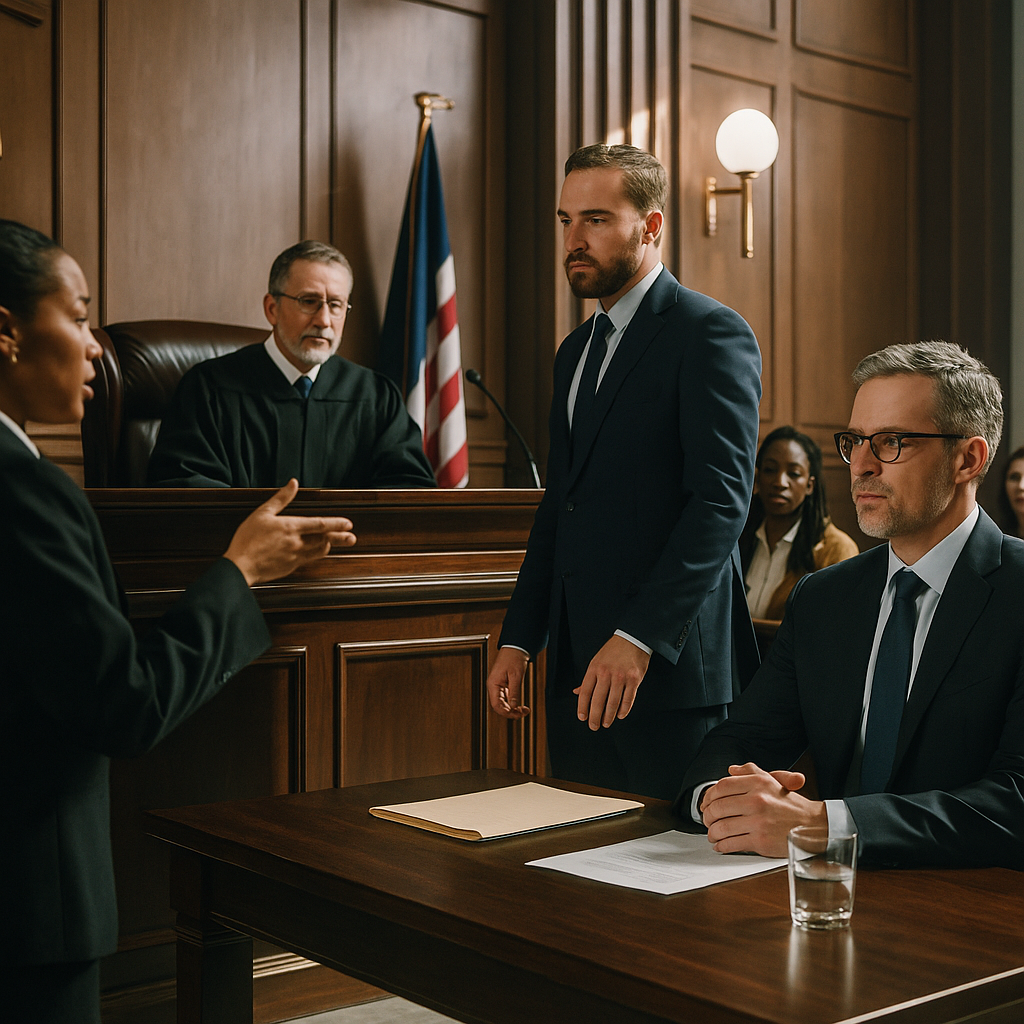
San Francisco courts are no strangers to high-profile cases involving tech leaders, but this one was particularly consequential. The trial leveraged months of testimony, internal communications, and expert opinions. As reported by Al Jazeera English, the closing arguments left little room for ambiguity: Musk’s direct actions impacted Twitter’s valuation and the decision-making of countless investors.
A Closer Look at the Jury’s Decision
The case hinged on the extent to which Musk’s public persona and cavalier use of platforms like Twitter itself could influence markets. While Musk argued in his defense that his sometimes-whimsical tweets were expressions of opinion rather than concrete declarations or promises, analysts argued that his position of power made even offhand remarks consequential. According to ABC News, the jury took into account Musk’s role not as an everyday commentator but as one of the most influential figures in the financial and tech world.
Ultimately, the jury determined that Musk violated securities law, a verdict that could carry significant consequences for Musk himself and for corporate executives broadly. If the decision is upheld through potential appeals, it could establish new precedents for accountability in the digital age. “This is a wake-up call,” noted one financial analyst. “Executives with a massive public platform must tread cautiously because their words carry weight not just socially but financially.” As the jury found Musk liable, questions about free speech protections for CEOs intersecting with fiduciary responsibilities have been reignited.

Implications for Twitter’s Identity as X
Since Musk’s takeover, Twitter has undergone radical rebranding to X, as part of Musk’s vision to turn the platform into an “everything app.” While the direct financial ramifications of this trial are unlikely to affect day-to-day operations at X, the reputational damage may add to ongoing challenges for Musk’s leadership of the platform. Several observers wonder whether the constant crises at X could deter advertisers and fresh investment.
There is no denying the fact that Musk has always thrived on controversy. From Tesla’s market valuation to his audacious comments about AI, his endeavors are often accompanied by bold claims. Yet, when those claims lead to verdicts like this, they chip away at the very foundation of trust that underpins the corporate world. As noted in the Boston Herald, questions about liability could also impact Musk’s broader business ventures, such as Tesla and SpaceX, where investor sentiment is often swayed by his high-profile persona.
Are Securities Laws Keeping Up?
This case is illustrative of a larger issue: the lag between innovation in tech and the regulatory frameworks meant to govern it. Social media as a tool for corporate communication has reshaped not only public relations but also investor relations. Financial filings are no longer the sole or even primary vehicle for influencing market activity—tweets, interviews, and casual statements play a significant role.
Moving forward, analysts predict that this case will motivate regulatory authorities to tighten monitoring of executive communications. “This is probably not the last high-profile trial relating to corporate social media use,” said one legal expert. “We’re likely to see more scrutiny from both the SEC and private investors on how leaders in Silicon Valley and beyond use their platforms.” Concerns extend beyond Musk, however, as the balance between free speech and corporate responsibility becomes ever murkier.

What Comes Next?
As the case moves into its next phase, including potential appeals, Musk’s legal team will likely argue that the verdict stifles executive expression. Meanwhile, the plaintiffs—and many other observers—may see this trial as an important step toward corporate accountability in a digital-first world.
At the same time, X’s future remains uncertain. Musk’s ongoing efforts to reshape the platform under the new brand face hurdles ranging from dwindling market share to leadership controversies. Musk’s ability to navigate these challenges while under legal scrutiny will likely determine the next chapter for the platform.
For now, this verdict serves as a reminder of the importance of truth and transparency in the markets. It reshapes the conversation around executive accountability and leaves a lasting message for corporate leaders navigating the blend of influence, power, and responsibility in today’s hyperconnected world.
In Summary
The jury’s verdict against Elon Musk in the Twitter acquisition case underscores the high stakes of modern executive communication in an era where tweets can sway stock prices. As more corporations seek to use social media for influence, this case may serve as a pivotal moment in redefining regulations and emphasizing transparency. Investors, regulators, and executives alike are now watching how this decision will reverberate—not just at X but across the tech landscape as a whole.