Images chosen by Narwhal Cronkite
Epstein Revelations Shake European Political Landscape, U.S. Fallout Remains Muted
The fallout from the Jeffrey Epstein scandal continues to reverberate across political and cultural domains, particularly in Europe, where revelations have led to tangible consequences for top figures. In contrast, the United States appears to have seen comparatively muted repercussions, raising questions about differences in accountability and institutional responses.

Europe: Political Careers in the Crosshairs
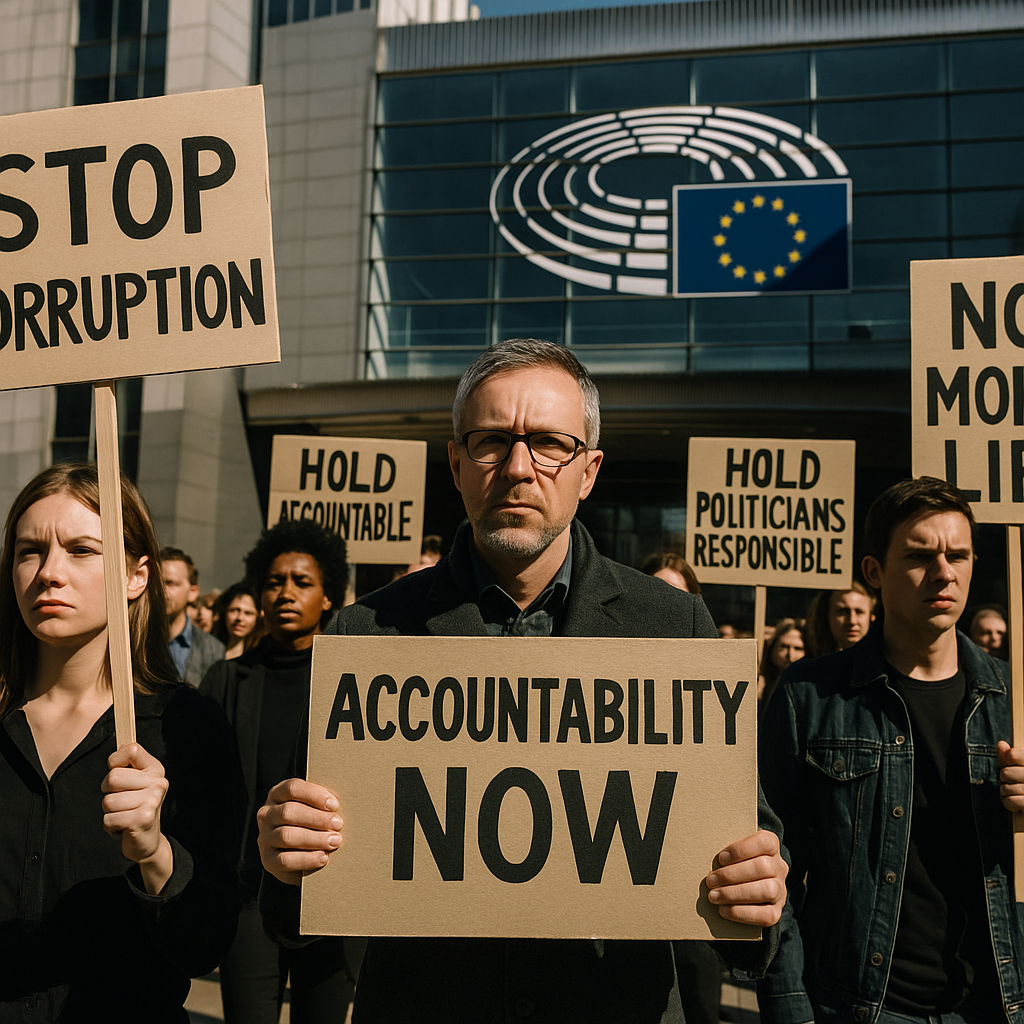
Across Europe, recent revelations from files related to Jeffrey Epstein’s social network have led to high-profile resignations and intense scrutiny. The case’s long shadow has implicated prominent figures, pushing them out of positions of influence. One notable example, according to reporting by the Associated Press, includes Peter Mandelson, a British politician whose ties to Epstein surfaced in recent disclosures. Mandelson’s fall from grace underscores the toll Epstein’s legacy is taking on European institutions.
Observers often cite cultural and ethical differences between Europe and the United States regarding political accountability as a root cause. “In Europe, public officials are generally held to stricter ethical standards,” says a political analyst at the European Policy Studies Center. “A single connection, even if peripheral, can provoke outrage and ultimately result in career-ending consequences.” This disparity in standards offers a lens through which the uneven fallout can be examined.
U.S.: Fallout Limited to Marginal Controversy
The United States, in contrast, has not seen comparable accountability from individuals tied to Epstein. As noted by HuffPost, some public figures associated with Epstein remain largely unscathed, including those close to the former president, Donald Trump. Despite vigorous media attention, Americans tied to Epstein’s circle often avoid resignations or lasting reputational damage.
Analysts suggest a combination of factors that could explain these outcomes. For one, U.S. legal procedures often focus narrowly on the criminal acts themselves rather than broader implications of association. “U.S. institutions are structured to lean toward legal innocence until proven guilty,” explains one U.S.-based legal expert. “Public opinion rarely translates into actionable political fallout unless direct wrongdoing is clearly established.” In Epstein’s case, such a loophole may have aided several high-profile names.
The Role of Media Coverage
Media also plays a considerable role in shaping public perception. As covered by both AP News and HuffPost, the scandal and its associated leaks have commanded widespread coverage, yet significant differences exist in tone and focus between regions. European outlets often anchor their stories in systems of power and privilege, effectively probing the socio-political implications of influential circles.
On the other hand, U.S. media outlets, including mainstream publications, have leaned heavily on sensational aspects of the scandal, focusing on Epstein’s crimes rather than the broader network implicated by his connections. While this approach undoubtedly reveals important truths, it has also shielded certain figures from deeper accountability.

How Cultural Context Shapes Consequences
The divergence between Europe and the United States may also stem from contrasting political cultures. Europe’s systems—where coalition governments and decentralized administrative structures hold public officials strongly accountable—contrast sharply with the often personality-driven nature of U.S. politics.
Moreover, the cultural attitude toward privilege differs. Epstein’s ability to move within circles of wealth and influence has triggered broader societal discourse in Europe about inequality and the elites who benefit from unrepentant social stratification. “In many ways, the Epstein revelations tap into long-standing frustrations within European societies,” asserts a sociologist at the University of Heidelberg. “There is a cultural appetite to address privilege as a form of accountability.”
Implications and What to Watch For
The ongoing inquiry into Epstein’s connections remains far from resolved. European governments may face additional resignations and growing public pressure for legislative reforms aimed at preventing similar scandals in the future. As transparency organizations dig deeper, more revelations seem inevitable.
In the United States, however, systemic changes tied to Epstein’s fallout appear less likely. While certain investigations progress incrementally, broader societal attitudes and institutional frameworks dilute opportunities for full accountability. Experts note that unless new, compelling evidence emerges, many implicated figures may continue their work uninterrupted.
The global disparity in outcomes highlights deeper cracks in institutional frameworks and accountability standards. Industry observers suggest that the international community could benefit from collaboration to identify systemic safeguards against the concentration of unchecked influence, as exemplified by the Epstein case.