Images chosen by Narwhal Cronkite
Exclusive: Foreign Hacker Compromises FBI Files on Jeffrey Epstein
In one of the most significant cybersecurity breaches in recent years, files pertaining to the FBI’s investigation into late sex offender Jeffrey Epstein were compromised by a foreign hacker in 2023. This startling revelation comes after detailed analysis of documents and sources familiar with the breach. The incident, which reportedly occurred at the bureau’s New York Field Office, draws attention to vulnerabilities in U.S. intelligence systems and the profound consequences of cybersecurity failures.
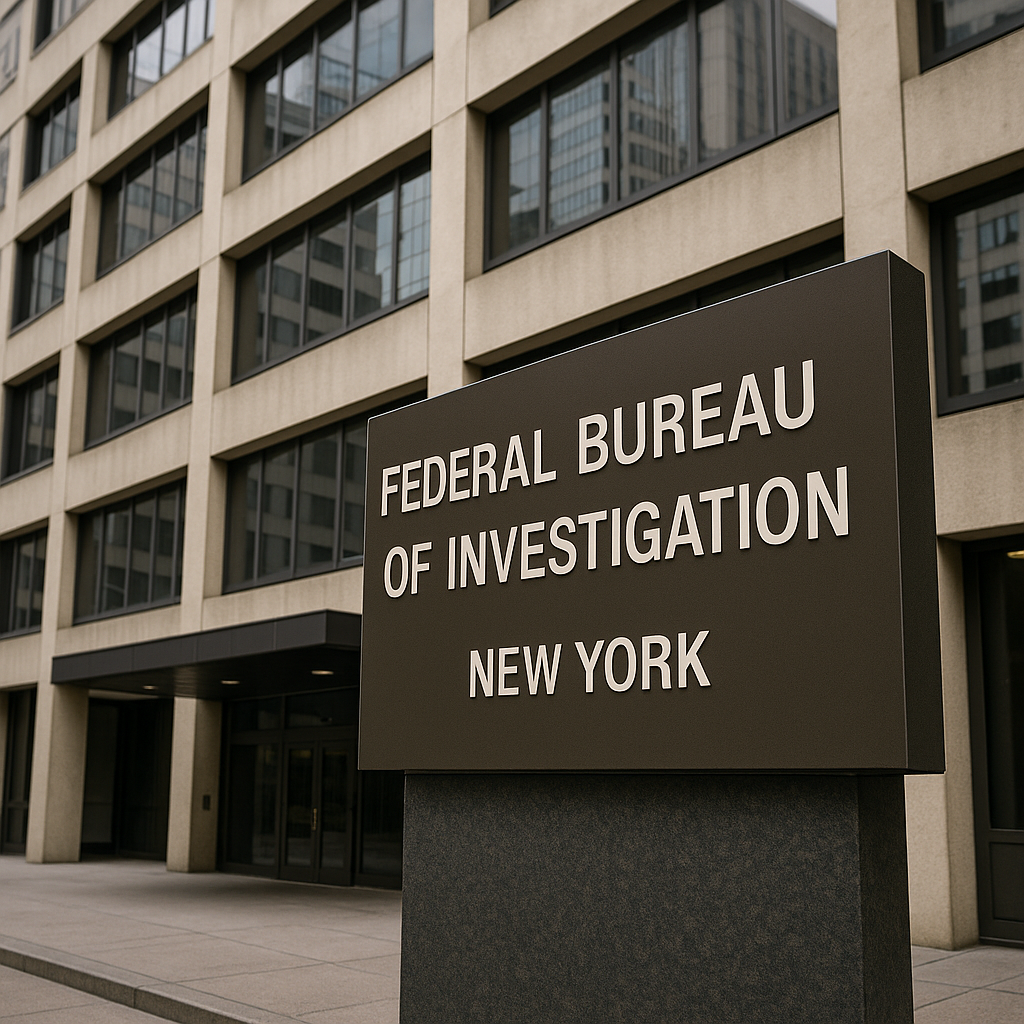
The Breach: What Happened?
According to Reuters, which broke the story on March 11, 2026, the breach specifically targeted sensitive files related to Jeffrey Epstein’s criminal investigation, unlocking classified records that were previously held under tight security. A source close to the matter revealed that the hacker, whose identity remains undisclosed, was affiliated with an international entity. The leaked files may have contained crucial evidence, as Epstein’s network of alleged associates and activities were under ongoing federal inquiry even after his death in 2019.
Security experts pointed to flaws within systems operating in the New York Field Office, where the compromise allegedly occurred. “This is not just a technical error,” said one industry analyst. “It underscores weaknesses in protocols that should have protected some of the FBI’s most sensitive materials.” The breach highlights a chilling reality for national security: even the most powerful agencies are vulnerable to cyberattacks.

Implications: What Was Lost and What’s at Stake?
The compromised files could have far-reaching consequences across political, financial, and social dimensions, extending beyond the obvious security risks. Since Epstein’s connections spanned billionaire circles, high-ranking officials, and celebrities, any unauthorized access to evidence may influence ongoing investigations or future legal proceedings.
Quoting an unnamed cybersecurity investigator from Reuters, the breach could also “allow hostile foreign actors to blackmail or manipulate individuals implicated in Epstein’s network.” The potential misuse of such data raises valid questions about how nations prepare for compromised intelligence assets.
The incident also reveals geopolitical undertones. The fact that the hacker was of foreign origin (as indicated by Reuters) has spurred debates among cybersecurity observers on whether this attack was supported by foreign governments seeking leverage in domestic U.S. affairs.
The Rise of Sophisticated Threats to Intelligence
The Epstein file breach serves as a stark reminder of the growing sophistication of international cyber threat actors—not just lone individuals, but networks equipped with state-level resources. Recent trends in cybercrime reveal that attackers increasingly target sensitive government files, financial institutions, and infrastructure. In February 2026, The Hacker News noted a surge in incidents including 30 Terabits per second (Tbps) Distributed Denial of Service (DDoS) attacks and PromptSpy AI infiltrations that mirrored similar complex operations seen in earlier data breaches.
“Organizations often prioritize external threats without sufficiently addressing internal vulnerabilities,” remarked a security analyst during a retrospective panel on cyber incidents. This narrative encapsulates how a foreign hacker could successfully breach the FBI despite its cutting-edge safeguards.

Lessons for National Security and Future Measures
The breach of Epstein files calls for a fundamental reassessment of security architecture within federal entities. Experts point to multi-layered security models, real-time threat monitoring, and encryption updates as essential countermeasures. However, Reuters emphasizes that tools alone aren’t sufficient–the FBI must foster a culture of accountability and proactive vulnerability checks to prevent future incidents.
Geopolitical cybersecurity also demands robust collaboration. Partnerships between intelligence communities, private cybersecurity firms, and allied nations could curb foreign espionage practices and cyber risks.
Transparency from the FBI is another pivotal aspect. While the public is often left in the dark regarding the specifics of such breaches, analysts argue that greater transparency can build public trust and prevent misinformation on compromised systems.
What Comes Next?
The breach has likely reignited discussions surrounding Jeffrey Epstein’s case, already a focal point of public interest due to its ties to powerful figures. It’s unclear how exactly the FBI plans to rectify the breach, but cybersecurity reforms and forensic investigations are expected to dominate its efforts toward resolution.
Moving forward, agencies like the FBI face mounting pressure to strengthen safeguards, adopt new technologies, and reassess internal processes. For lawmakers, this breach offers an opportunity to evaluate federal cybersecurity policies and legislate appropriately. Globally, the incident might serve as a template of vulnerabilities that other nations will study to deter similar occurrences.
The compromise of Epstein-related files is a vivid reminder that no system is immune to attack—and the stakes have never been higher.