Images chosen by Narwhal Cronkite
FAA Grounds All Flights to and from El Paso Until Feb. 20
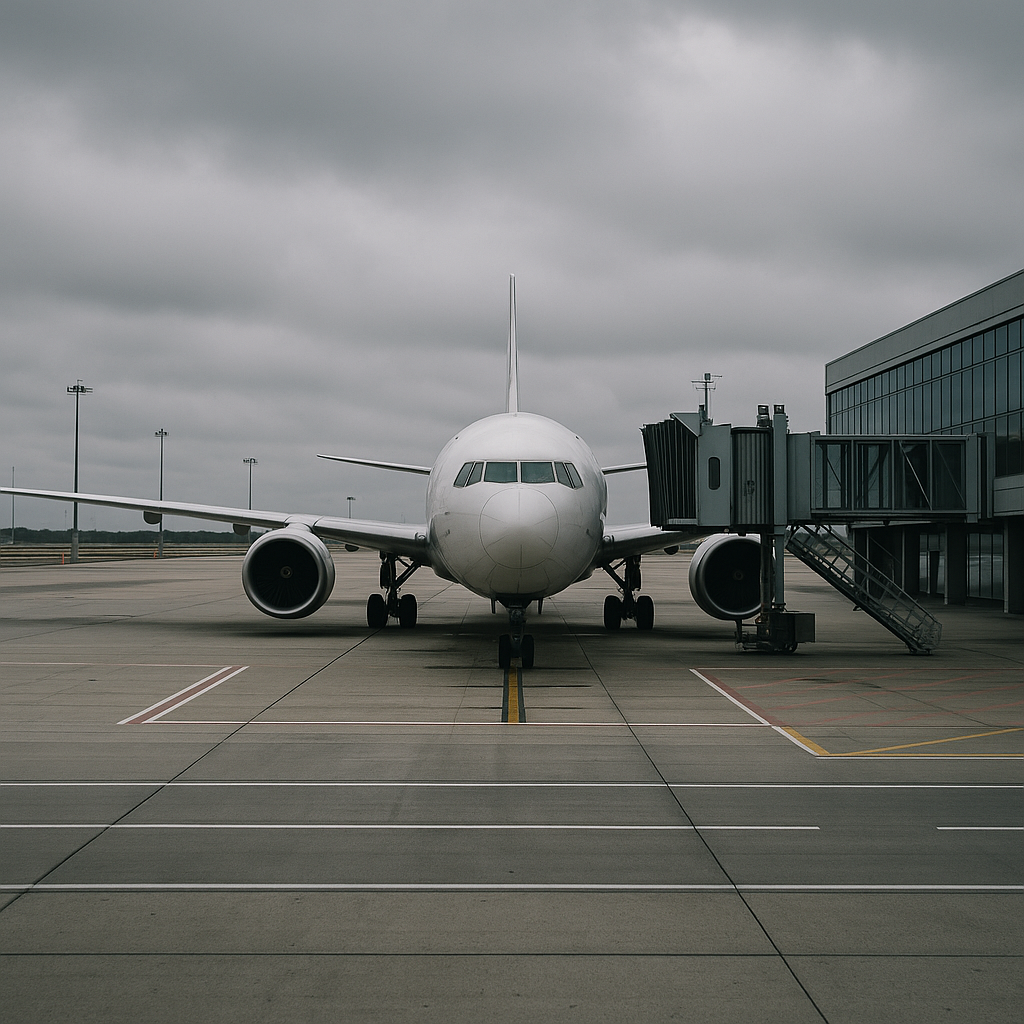
The Federal Aviation Administration’s (FAA) decision to temporarily ground all flights to and from El Paso International Airport sent shockwaves across the region, marking a rare and dramatic intervention tied to national security concerns. Federal officials confirmed that the airspace closure, which began late Tuesday, was prompted by a reported breach of U.S. airspace by cartel-operated drones. Though the restriction was lifted after seven hours on Wednesday morning, the incident has raised significant concerns about airspace security, inter-agency coordination, and the impact on travelers and commerce.
The Incident: What Led to the Grounding?
The FAA’s late-night announcement on Tuesday caught many passengers, airlines, and local businesses by surprise. According to U.S. Transportation Secretary Sean Duffy, Mexican cartel drones entered U.S. airspace near the southern border, sparking a swift response from the Department of War (DOW). “The Department of War took action to disable the drones,” Duffy said in a statement, reassuring the public that no immediate threat to commercial flights persisted.
The restriction, however, grounded all commercial, cargo, and general aviation flights for nearly seven hours, potentially snarling operations for thousands of travelers and disrupting critical supply chains. Although the closure was lifted earlier than the intended 10-day window, the incident highlights vulnerabilities in airspace defense.
According to additional reports from CNN and CBS News, anti-drone technology was deployed near the border. While initial assessments identified the flying material as cartel-operated drones, at least one turned out to be an innocuous party balloon. This led to questions about the operational clarity and real-time assessments of the security agencies involved.
Impact on El Paso Travelers and Commerce
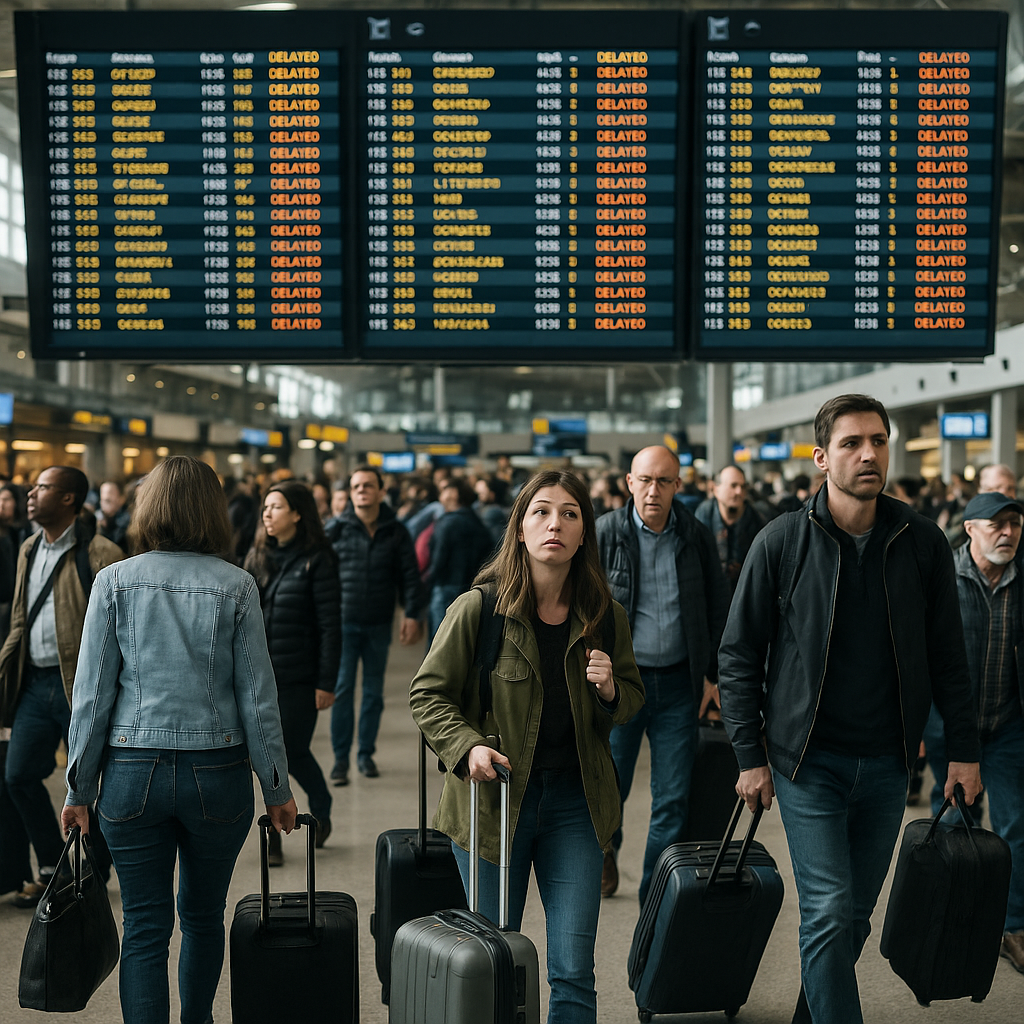
For travelers at El Paso International Airport, the grounding created a cascade of disruptions. Flights were delayed or rerouted, leaving passengers stranded overnight with little clarity. Local businesses dependent on air cargo operations faced similar challenges. With El Paso serving as a gateway to border commerce, the ripple effects were quick to be felt by regional industries reliant on goods transport.
Travel industry analyst Maria Sanchez explained, “Even a short-lived restriction has huge implications for an airport like El Paso, which caters to commercial and cargo operations. Travel delays are costly, and disruptions to critical goods transport can sometimes take days to recover.”
While the swift resolution prevented prolonged fallout, businesses and airlines are now urging the FAA for clearer communication protocols in response to such abrupt security measures. Sanchez added, “The incident underscores the importance of inter-agency coordination and real-time decision-making to avoid unnecessary disruptions.”
Security Concerns: An Escalating Cross-Border Issue
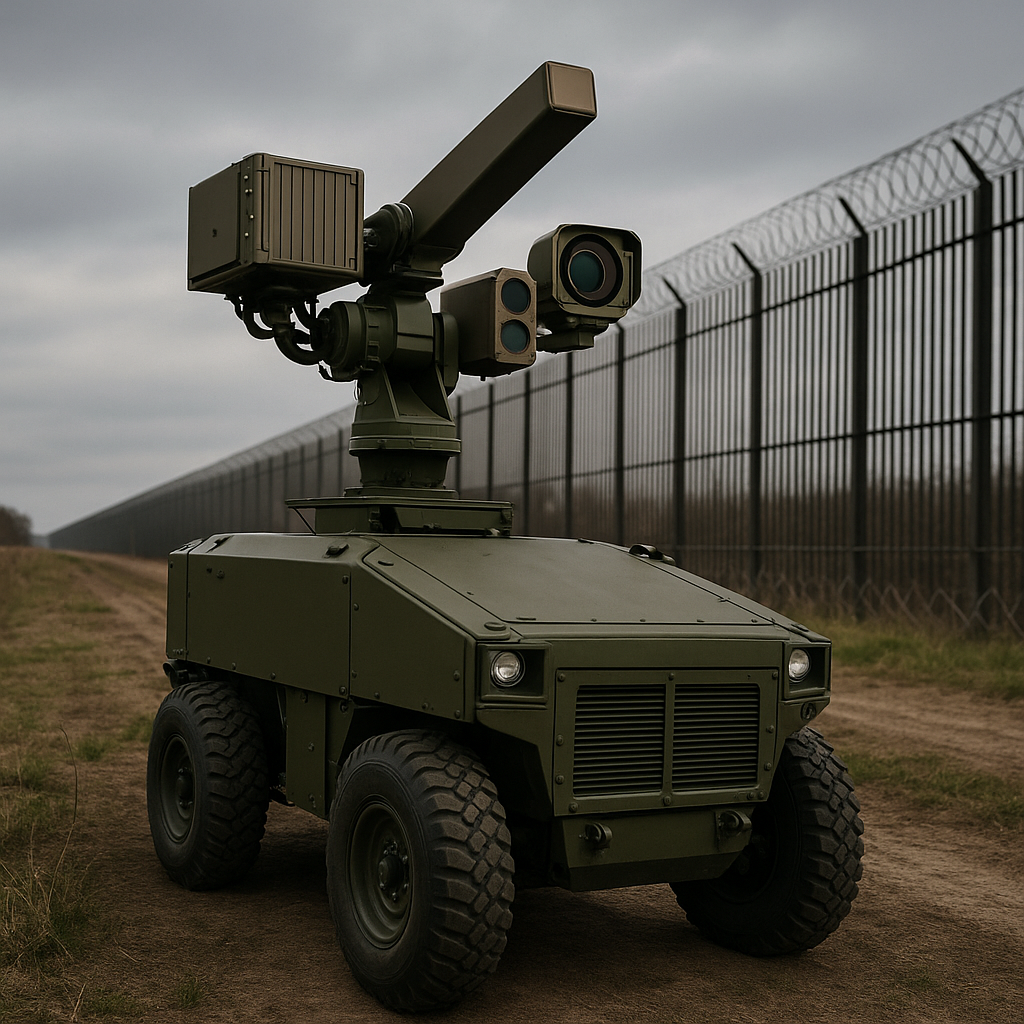
While cartel activity in border regions is not new, the use of drones represents a concerning escalation in tactics. According to national security experts, drones have increasingly been used by criminal organizations to monitor border patrol operations, smuggle contraband, or, in rare cases, stage provocations like this most recent incident.
“This is an emerging threat that agencies need to take seriously,” said defense analyst Jonathan Keller. “We’re entering a new frontier where non-state actors are leveraging sophisticated technology to challenge sovereign borders. It demands updated protocols, new defense systems, and comprehensive cross-agency collaboration.”
In El Paso’s case, federal agencies may have erred on the side of caution given the proximity of civilian flights to military counter-drone technology. According to CNN reports, uncoordinated actions were a factor in the disruption, as initial confusion over the drones — which turned out to include non-threatening objects like party balloons — delayed timely risk assessments.
A Test of Federal Agencies’ Response Systems
The incident also shed light on procedural gaps within federal agency coordination. While the Department of War acted swiftly in deploying counter-drone measures, sources indicated that the FAA was not fully looped into the operation. This lack of coordination led to the unprecedented airspace closure over El Paso, impacting civilian flights unnecessarily and raising concerns about the system’s ability to react efficiently in real time.
“The lack of clarity and coordination was evident,” said aviation consultant Greg Thompson. “The FAA has to juggle both the safety of civilian airspace and accommodating urgent national security actions. Balancing these responsibilities will require more seamless coordination going forward.”
Thompson also noted the irony of advanced technologies, like counter-drone laser systems, causing unintended consequences due to procedural lapses. “The tools are there, but they’re only as effective as the cooperation between agencies using them.”
What This Means for El Paso and Beyond
While prolonged disruptions were avoided in this instance, the event has highlighted vulnerabilities that federal and local agencies need to address. Border cities like El Paso, which deal with the complex interplay of commerce, travel, and national security, are particularly affected by such incidents.
Aviation safety regulators, national security organizations, and border control agencies are likely to review their response strategies to preempt similar disruptions in the future. Proposed measures could include improved reconnaissance for differentiating legitimate threats from benign objects, enhanced real-time communication infrastructures, and region-specific contingency planning for airports near sensitive regions.
The implications also extend to U.S. air travel more broadly. Observers worry whether future operations designed to counter emerging drone threats might inadvertently cause new vulnerabilities, particularly for border cities and smaller airports without the resources of major transit hubs. One immediate lesson, as several experts pointed out, lies in the importance of inter-agency training and better-defined procedural frameworks.
Congressman Gabe Vasquez, who addressed the Santa Teresa airspace closure during this period, emphasized the need for transparency and accountability in such situations. “We owe it to the traveling public and to businesses that rely on commerce flowing through our region to have protocols that protect not just our security but our economy as well,” Vasquez said.
Looking Ahead
The recent grounding of flights in El Paso may have been lifted quickly, but it leaves important questions in its wake. As aviation, defense, and border security authorities grapple with evolving technologies and threats, the emphasis will remain on swift yet strategic responses that mitigate both risks and disruptions.
Federal agencies have assured the public there was no immediate threat to commercial travel in this instance, but stakeholders will be watching closely for updates to policies or procedures following this high-profile breach. The balance between national security and minimizing disruptions to civilian life will remain a delicate — but critical — challenge.