Images chosen by Narwhal Cronkite
FBI Alert on Potential Drone Threat From Iran Raises National Security Concerns
The specter of a drone attack on U.S. soil, orchestrated by a foreign adversary, has sent ripples through the intelligence and law enforcement communities. In a stark warning, the FBI has alerted California police departments to a credible, if unconfirmed, threat: Iran allegedly aspired to use drones to target the West Coast in retaliation for heightened conflict with the United States. This development signals not just a tactical shift in modern warfare, but also underscores the evolving vulnerabilities of soft targets within American borders.
The Context Behind the Warning
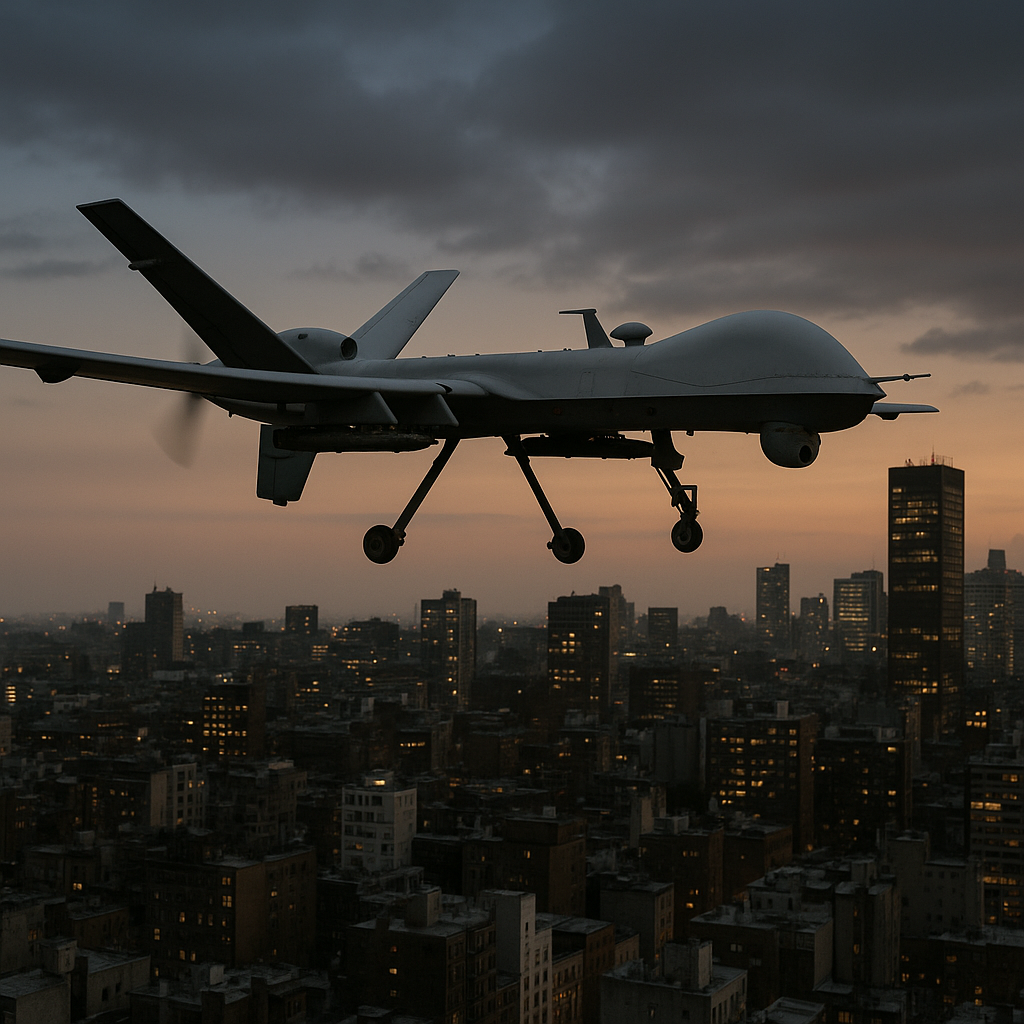
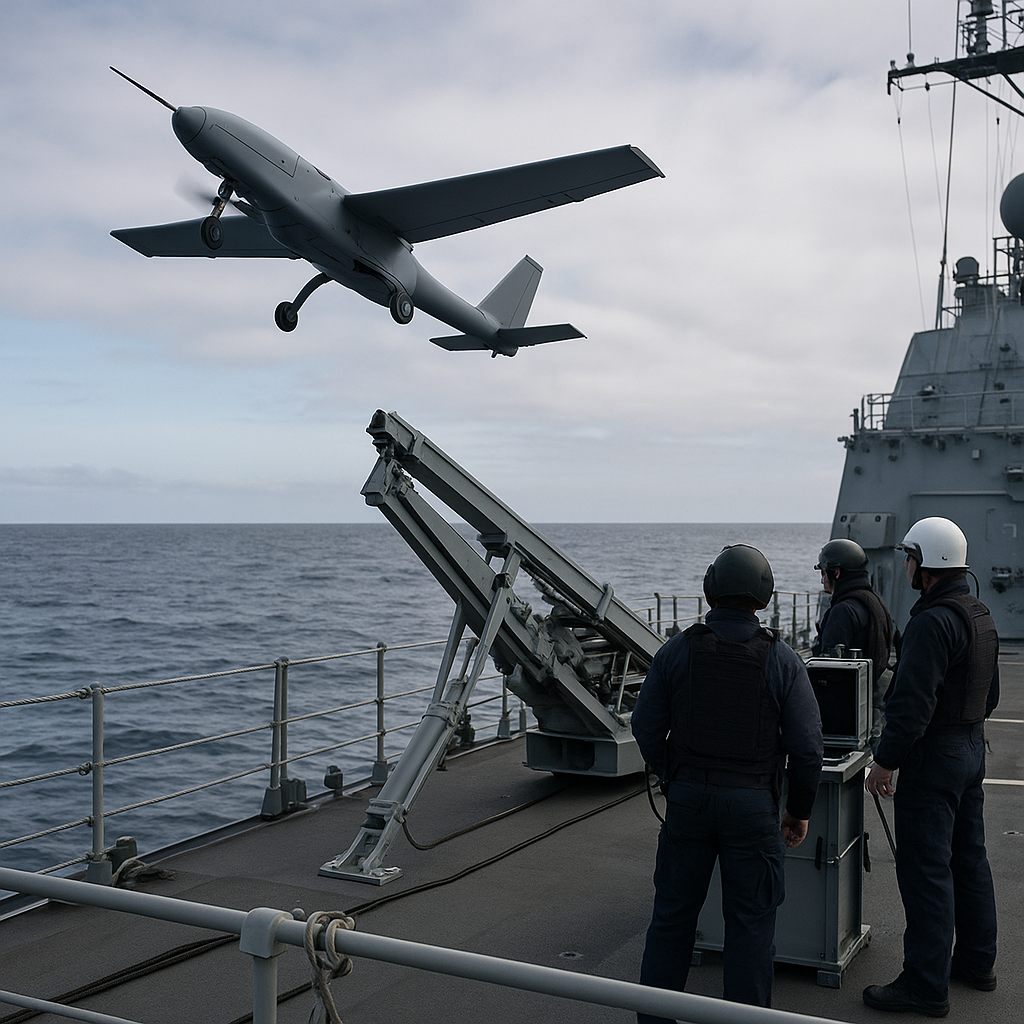
The warning was outlined in a bulletin reviewed by ABC News. According to the document, U.S. intelligence obtained information that as early as February, Iran had plans to execute a drone strike using unmanned aerial vehicles (UAVs) launched from an unidentified vessel near the U.S. coastline. Intended targets within California, while unspecified, were reported to involve critical infrastructure or symbolic locations. The timing, method, and perpetrators remain unknown—raising concerns across federal and state agencies alike.
Importantly, this warning arrives amidst ongoing U.S.-Iran tensions, exacerbated by the Trump administration’s military aggression against the Islamic Republic. Iran, in its provocation to retaliate, has demonstrated increased reliance on drone warfare in the Middle East, targeting adversarial operations in Syria, Iraq, and Israel. The expansion of these methods beyond the region signals a tactical evolution—and adds grave implications to the U.S.–Iran conflict.
The Rising Role of Drones in Modern Conflict
Unmanned aerial vehicles, commonly known as drones, have shifted from surveillance roles to being critical instruments of warfare. Their cost-effectiveness, minimal pilot risk, and increasing global availability make them attractive tools for state and non-state actors alike. U.S. intelligence officials have flagged Iran’s long-standing investments in drone capabilities, with various models capable of carrying precision-guided explosives or targeting technology.
“Drones have democratized the battlefield,” noted a national security analyst, emphasizing how they enable asymmetric warfare even against nations with formidable defenses like the United States. He added, “The fact that a drone attack against California was even contemplated speaks volumes about how dramatically threat landscapes are changing.”
The potential attack also coincides with a separate concern from federal law enforcement agencies: Mexican cartels reportedly exploring drones equipped with explosives to launch assaults near the U.S.-Mexico border. Although unconfirmed, reports of cartel leaders vetting UAV technology highlight growing apprehension about how such tools may be adopted by diverse criminal or extremist organizations.
Local and Federal Readiness in California
The FBI’s warning has triggered a bunker mentality within California’s emergency and law enforcement systems. Governor Gavin Newsom’s Office of Emergency Services has assured residents that it is working in lockstep with state, local, and federal authorities to bolster security around vital infrastructure. Meanwhile, the Los Angeles Sheriff’s Department remains on heightened alert, particularly around religious sites and cultural landmarks that could serve as symbolic targets for such strikes.
“The Department has maintained an elevated level of readiness,” stated the LA Sheriff’s Department in a public notice. “Given current geopolitical climate and observances, the decision has been made to proactively increase patrols around sensitive areas.”
This state of vigilance, while commendable, also highlights how unprecedented such threats are for domestic agencies whose primary focus is often internal crime rather than protection against foreign aerial invasion.
The Big Picture: What This Means for U.S. Security
The emergence of drones as a potential attack vector at home raises several questions for U.S. counter-terrorism strategy. How effectively can federal and state agencies preempt unconventional threats? To what extent is the U.S. infrastructure ready to repel such unexpected, technology-driven warfare?
Experts advise viewing the drone threat beyond the narrow lens of Iran. Nation-states, as well as insurgent groups and private criminal organizations, are rapidly leveling the technological playing field. A congressional report in 2023 flagged more than 80 countries manufacturing military-grade UAVs, many of which mirror the capabilities seen in high-profile conflicts like the Ukraine war.
“Sadly, this issue is not simply about modernizing defense systems; it has become foundational for homeland security,” stated a Pentagon source familiar with UAV strike mitigation strategies. He recommended immediate investments in technologies designed to intercept drones mid-flight, as well as tight legislation regulating the acquisition of weapons or explosive-capable UAVs within U.S. borders.

What to Watch Moving Forward
The FBI admits its warning is “uncorroborated,” leaving uncertainties about Iran’s operational capacity and intent. Nonetheless, the message has succeeded in fueling discussions about the next stage of global conflicts and the U.S.’s preparedness for it.
Looking ahead, the following questions linger:
- Will heightened counter-surveillance root out the source of these potential threats before they materialize?
- Can international regulatory frameworks prevent such proliferation of advanced UAV systems?
- How will the U.S. balance public reassurance with operational secrecy to address domestic vulnerabilities openly?
As for civilian populations, the debate over balancing transparency with security readiness has rarely felt as urgent. For Californians and others living under the shadow of these warnings, vigilance and cooperation with law authorities will remain key pillars of navigating this precarious era.