Federal Statement on Jeffrey Epstein’s Death Raises Questions About Timing and Transparency
In a revelation stirring debate and suspicion, a federal statement announcing the death of Jeffrey Epstein—dated August 9, 2019—was issued prior to the official discovery of his body in a Manhattan jail cell on August 10. The peculiar discrepancy is the latest in a string of anomalies surrounding the controversial financier’s death, further fueling speculation and public concern over the circumstances of his alleged suicide.
The Mystery of the Dated Statement
Epstein was found unresponsive in his cell at the Metropolitan Correctional Center (MCC) at 6:30 AM on August 10, 2019, yet the prison statement attesting to his death bears the date of August 9. Issued by Manhattan U.S. Attorney Geoffrey S. Berman, the document expressed condolences and reiterated the government’s commitment to pursuing justice for Epstein’s victims. However, the early timestamp on the report has ignited questions over procedural irregularities and oversight within the MCC.
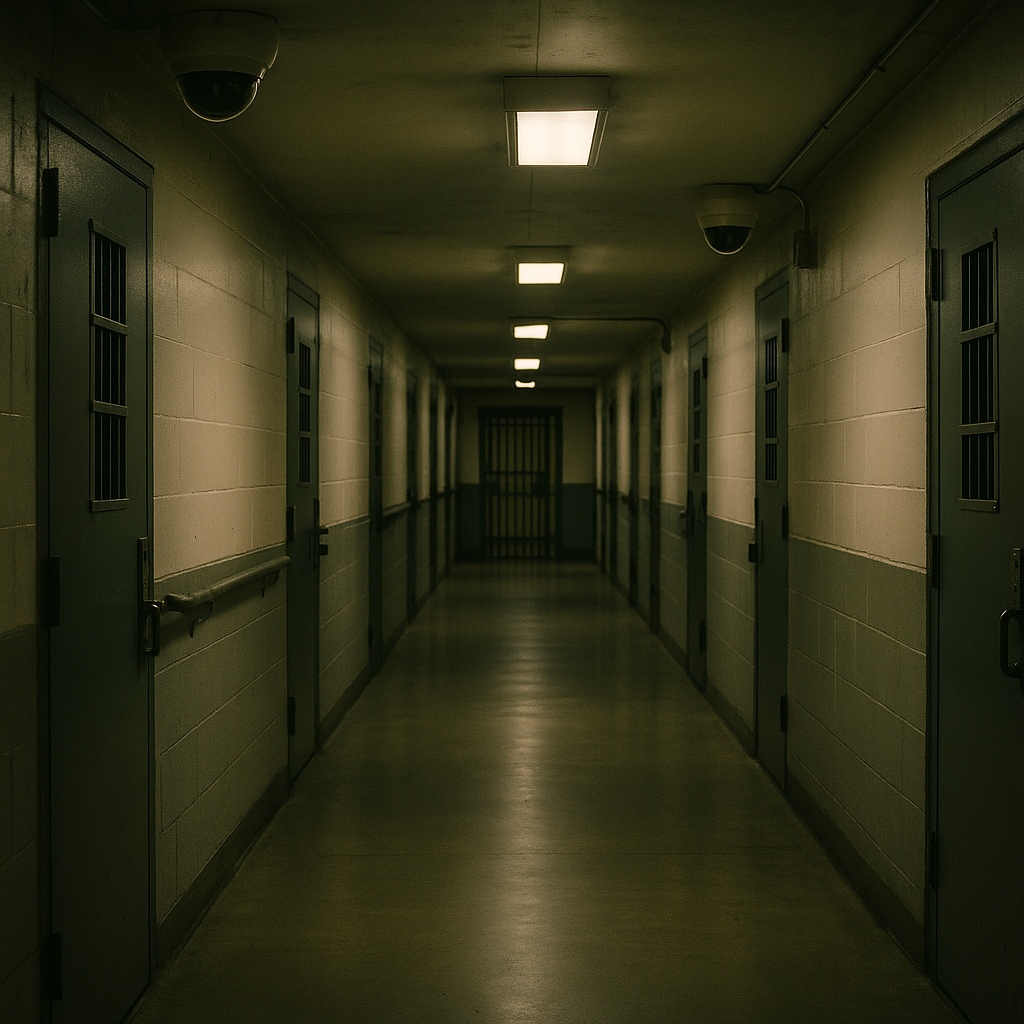
According to The Evening Standard, guards tasked with monitoring Epstein before the tragic incident had reportedly missed critical safety checks scheduled for 3:00 AM and 5:00 AM. To further compound the issue, surveillance cameras positioned outside Epstein’s cell malfunctioned during this critical time period. These operational failures have led analysts and legal critics to suggest systematic negligence that enabled an environment of risk.
Systemic Failures or Something More?
The unusual timing of Epstein’s reported death is not the first troubling inconsistency to emerge. During inquiries into the incident, officials determined that no documented time of death was ever established. Furthermore, the MCC’s reputation for mismanagement and understaffing has come under intense scrutiny. According to ABC News, internal audits revealed that staff shortages had plagued the facility for years, leaving various inmates under-monitored.
The New York City Medical Examiner concluded that Epstein’s cause of death was suicide by hanging, yet the details surrounding his final hours remain murky. While procedural lapses can account for mistakes, critics argue that the timing of the federal statement demands a closer investigation, raising the specter of conspiracy theories that Epstein may not have died as officially reported.

A Complex Legacy and Its Fallout
Epstein’s death has had wide-reaching implications across multiple spheres. Before his passing, he was charged with sex trafficking minors and conspiracy, accusations that implicated powerful figures globally. With his demise, the case against him came to an abrupt halt, leaving victims and advocates questioning the justice system’s capacity to hold power to account.
The Atlantic, in its coverage of the newly released “Epstein Files,” highlights how the disclosures have led to waves of resignations and firings across industries. High-profile connections to Epstein’s network have triggered political and corporate fallout, further underscoring unequal access to accountability. Critics argue that Epstein’s documented trafficking enterprise reveals systemic failures across federal and institutional frameworks.
Notably, allegations surrounding co-conspirators also remain unresolved. Prosecutors had reportedly considered pursuing individuals tied to Epstein’s operations before his death, but his passing disrupted strategic plans. Still, as ABC News noted, an 86-page prosecution memo from 2019 released recently has revived interest in possible charges for those formerly linked to his criminal activities.
The Public’s Doubts: Why Trust Is Waning
One of the biggest challenges stemming from Epstein’s death has been the erosion of public trust in institutions tasked with handling high-profile cases. Speculations about intentional negligence or malicious intent have fed an array of outlandish theories. According to coverage by Snopes, rumors falsely claimed Epstein had faked his death to flee to Israel, which have been dismissed as baseless. Yet, these theories persist due to a perceived lack of transparency.
“When documents contain inconsistent dates, and evidence like security footage is mysteriously absent, the public naturally questions whether they’re being given the full story,” says legal analyst Jonathan Meyers. “It’s not just about what happened to Epstein but about what such failures say about the broader accountability systems we have in place.”
Implications and What Comes Next
As reports and analysis of Epstein’s death resurface through ongoing document releases like the “Epstein Files,” the case remains a focal point for understanding systemic flaws in both justice enforcement and public messaging. For Epstein’s victims—the many underage girls whom he allegedly exploited—the unanswered questions left in the wake of his death prolong the process of healing and resolution.
If anything, Epstein’s death underscores the importance of independent oversight mechanisms within institutions that handle cases of significant public interest. Whether through enhanced transparency laws or third-party investigations, experts agree that preventing miscarriages of accountability should become a critical priority.
Looking ahead, forthcoming legal disclosures may illuminate further connections and failures surrounding Epstein’s operations. The public and policymakers alike should pay close attention to these updates, not just for justice’s sake but to ensure that the lessons learned resonate widely across the legal and correctional landscape.