A local government’s decision to cover its Flock Safety license plate cameras with bags rather than let them keep running has spilled into public view, after emails obtained by 404 Media showed the surveillance company objecting to how officials handled equipment it considers its own. The correspondence, first reported by 404 Media, offers a rare look at the friction between a town trying to shut down a camera system and a vendor determined to keep it running.
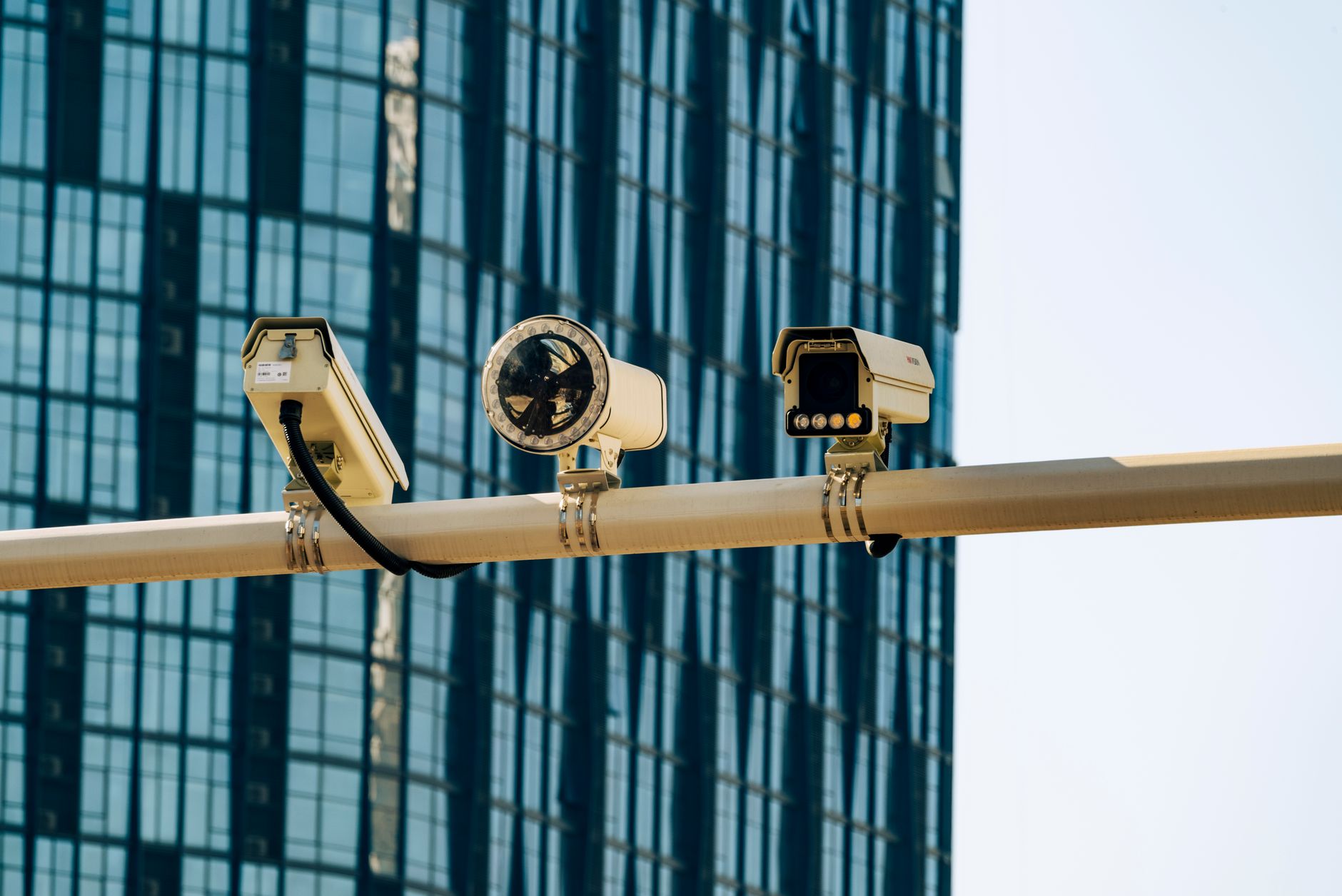
The dispute centers on Flock Safety’s automated license plate readers (ALPRs), solar-powered cameras mounted on poles that scan and log every passing vehicle’s plate, location, and timestamp. When local officials moved to stop the cameras from collecting data during a disagreement over the town’s contract, they didn’t remove the hardware outright. Instead, according to the emails, they physically bagged the camera lenses, an improvised fix that blocked the devices without triggering the liability and logistical questions that come with uninstalling company-owned equipment.
Why a Town Chose to Bag Cameras Instead of Removing Them
Flock’s business model relies on installing its cameras on public infrastructure, such as utility poles and street signs, while retaining ownership of the hardware and the data pipeline it feeds. Municipalities typically pay an annual subscription fee rather than purchasing the cameras outright, which means local officials often have limited unilateral authority over equipment sitting in their own right-of-way.
That arrangement appears to be exactly what complicated the town’s options. Rather than risk damaging or improperly detaching devices that remain Flock’s property, officials opted for a low-tech workaround: covering the lenses so the cameras could no longer capture license plates while the underlying contract dispute played out.
Flock’s Response
The emails reviewed by 404 Media show Flock did not treat the bagging as a neutral, temporary measure. The company pushed back, framing the interference with its equipment as a problem that needed to be resolved and asserting its position on how the cameras should be handled, according to the outlet’s reporting. The exchange illustrates how aggressively Flock has moved to protect its footprint once cameras are installed, and how little practical leverage some local governments retain once a system is live.
Flock Safety has built its network to more than 5,000 communities and thousands of law enforcement agencies nationwide, according to the company’s own public statements, positioning its cameras as a tool for solving crimes ranging from car theft to missing persons cases. That scale is precisely what has drawn scrutiny from privacy advocates, civil liberties groups, and, increasingly, local officials who say they underestimated how difficult it would be to walk back a contract once cameras are bolted to municipal poles.
Part of a Broader Reckoning Over Surveillance Contracts
The bagged-camera episode is not an isolated flashpoint. Flock has faced growing criticism over the past two years after reporting revealed that license plate data collected through its national network had been searched by immigration authorities and out-of-state law enforcement agencies pursuing cases unrelated to the original justification for a given town’s camera deployment, including abortion-related investigations in some states. Several city councils have since moved to suspend or terminate their Flock contracts, citing concerns that data-sharing agreements extend far beyond what residents were told when the cameras went up.
The friction also echoes a wider pattern of communities pushing back once they discover how little control they retain over infrastructure installed by outside technology vendors. Residents in dozens of cities have staged public protests against similarly opaque tech buildouts, including the wave of demonstrations chronicled in NarwhalTV’s report on data center protests erupting in 142 US cities, where local governments likewise struggled to renegotiate terms after infrastructure was already in place.
The core tension is the same across these disputes: a private company retains ownership and control of equipment sitting on public land, while residents and officials are left to negotiate around a system they can’t simply switch off.
What Happens Next
It remains unclear how the specific contract dispute detailed by 404 Media will be resolved, or whether the town will ultimately succeed in removing the cameras permanently. Flock Safety has not publicly detailed its standard process for contract terminations or equipment removal, and disputes like this one typically play out through private negotiation rather than public proceedings, which is part of why the leaked emails have drawn attention.
For now, the episode stands as a case study in the practical limits of local control over surveillance technology once it’s installed. Towns weighing whether to sign on with ALPR vendors are increasingly being advised by privacy groups to negotiate explicit, binding removal and data-deletion terms before cameras go up, rather than discovering after the fact that walking away is far harder than it looked in the sales pitch.
404 Media’s reporting adds to a growing body of documentation on how surveillance vendors like Flock operate once embedded in a community, and how much leverage residents actually have when they decide they no longer want the cameras watching their streets.