Images chosen by Narwhal Cronkite
Florida Teen Charged with Murder After Sex Offender Found in Suitcase: What This Case Means
In a case that has gripped a Florida community, a teenage suspect stands accused of a gruesome murder after the dismembered remains of a registered sex offender were discovered in two suitcases abandoned in a desolate area. The story, unfolding against the eerie backdrop of “The Compound” in Palm Bay, has raised disturbing questions about justice, morality, and vigilantism.
The charged suspect, 19-year-old Lucas Sander Jones, allegedly murdered 28-year-old Colie Lee Daniel, then dismembered and disposed of his body. Authorities revealed chilling details, including attempts to clean and hide evidence, raising alarms about what might have driven the teen to such an act—and what society should learn from it.

The Crime Scene: A Grim Discovery in Palm Bay
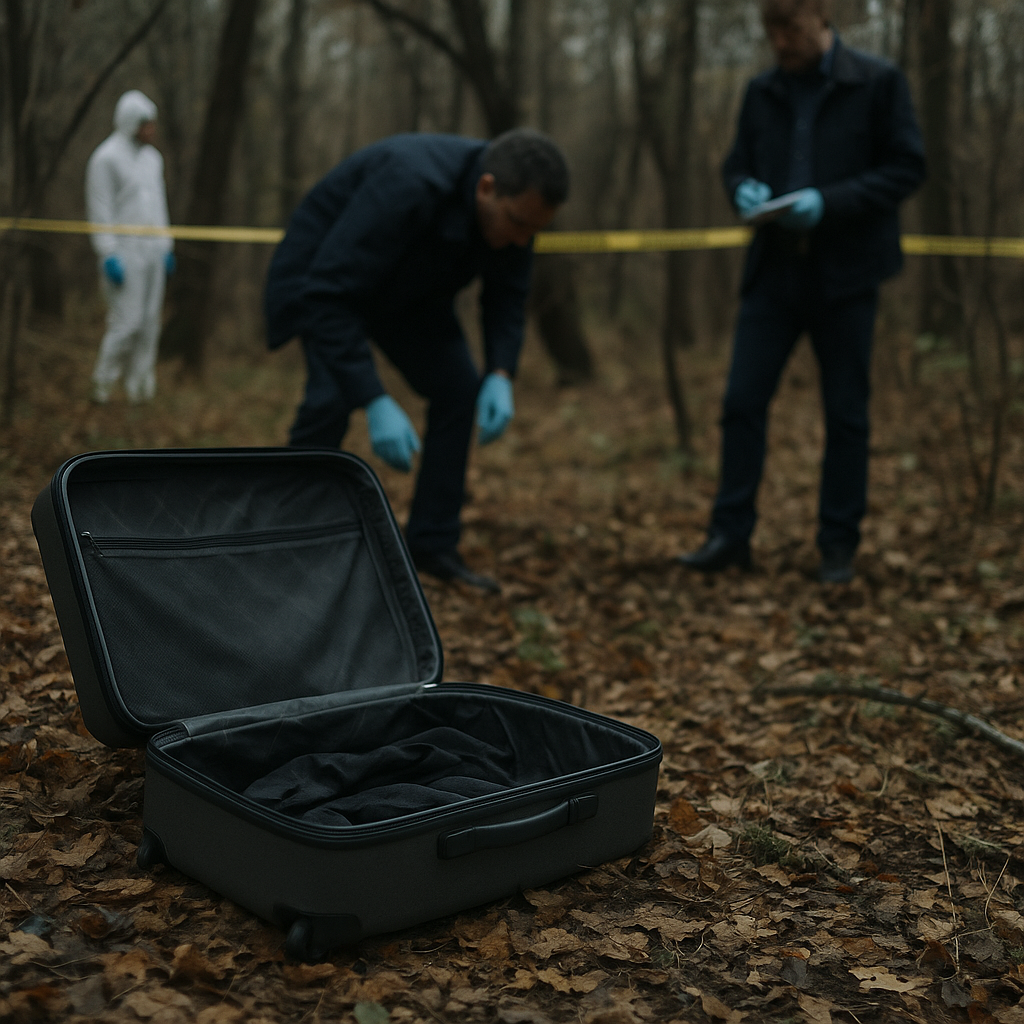
The saga began on March 28, when police were summoned to an undeveloped expanse known locally as “The Compound.” The remote area, synonymous with illegal activities and sporadic gatherings, became the grim setting for investigators’ shocking findings. Officers were led to the scene after reports of vultures circling overhead. What they found was horrifying: a partially open suitcase containing human remains, emitting a powerful odor.
Another suitcase nearby held additional remains, along with personal belongings and a key piece of evidence—an Amazon package addressed to Jones. This direct link expedited his arrest the same day. According to the The Independent, law enforcement pieced together surveillance footage, testimonies, and forensic evidence, zeroing in on Jones’ home as the site of the crime.
Who Was Colie Lee Daniel?
Colie Lee Daniel, the victim in this case, was a registered sex offender with prior convictions. Public records showed he lived less than a mile from Lucas Jones, though their relationship remains unclear. His background as a sex offender has sparked debates about the morality behind the crime. Was this a premeditated act targeting an individual due to their criminal past—or could there be another underlying motive?
Some industry observers note that cases involving crimes against sex offenders often trigger polarizing reactions. “While the horrific nature of this murder cannot be justified, we often see knee-jerk assumptions made about whether the victim’s criminal background could be a factor,” said a legal analyst.
What makes this case even more complex is its disturbing sequence of events and efforts to conceal the crime.
The Investigation: Piecing Together the Timeline
Authorities unraveled the case largely thanks to surveillance evidence and testimonies from Jones’ girlfriend, whose details significantly aided the investigation. Surveillance cameras showed the victim, Daniel, entering Jones’ home on March 20 but never leaving. That same evening, Daniel’s concerned parents came looking for him, but Jones allegedly denied them entry into his house.
Law enforcement escalated the matter into a welfare check, but Daniel was nowhere to be found. Officers did, however, notice physical injuries on Jones, describing him as disheveled and bearing red marks and bruises across his chest and neck.
Significant evidence emerged soon after. Jones reportedly asked his girlfriend to bring cleaning supplies to his home, where she witnessed bloodstains on the floor and black spray paint covering the walls. Despite her claims of suspicion, she complied with Jones’ request, loading storage totes and suitcases into her car later that night. Surveillance traced the vehicle’s movements to “The Compound,” where investigators believe Jones abandoned the remains.

Public Discourse: Vigilantism or Justice Gone Awry?
The case has sparked a broader conversation about vigilantism and societal perceptions of justice. Registered sex offenders often occupy a contentious space in public opinion, with some segments of society believing they are beyond redemption. But when crimes like this occur, it tests legal and moral boundaries.
“The criminal justice system exists to deter exactly this kind of response, no matter how strong emotions run,” said a criminology expert. “If individuals take the law into their own hands, it risks breaking down the societal norms that hold justice systems together.”
The risk of assuming motivations before evidence is fully presented poses its own dangers, particularly in cases with moral undertones. Jones has yet to provide his account or enter a plea, leaving critical elements of the case unverified.
What Happens Next?
The court proceedings will undoubtedly reveal more about Lucas Sander Jones’ motivations and whether the homicide was premeditated or a result of more immediate circumstances. Legal experts anticipate the defense may explore psychological factors, given early reports of Jones’ erratic behavior and the possible stressors in the hours following the crime.
The broader implications of this case extend to how society treats the intersection of vigilante actions and unresolved traumas. Analysts see this case as an opportunity to examine systemic failures that might contribute to violent outbursts.
But even beyond these debates, the focus remains on understanding the facts of the case and ensuring legal accountability. For now, Jones sits in custody as prosecutors prepare their case.
Conclusion: A Stark Reminder of Societal Responsibility
This case challenges society to reflect on justice, morality, and the forces that drive individuals to commit unthinkable acts. While the victim’s criminal past may complicate public opinion, the law remains clear on the sanctity of life and the scope of individual accountability.
As conversations evolve around this case, the broader focus must remain on seeking answers responsibly and addressing the root causes of crimes—not encouraging a culture that normalizes or glorifies vigilantism, no matter how contentious the circumstances.