Images chosen by Narwhal Cronkite
France to Ditch Windows for Linux, Pursuing Digital Sovereignty
In a bold move aimed at regaining control over its digital infrastructure, France has announced plans to phase out Microsoft Windows in favor of Linux on some government computers. This strategic shift is part of a larger commitment to reducing reliance on U.S. technology, according to a statement from David Amiel, France’s minister in charge of digital transformation. It marks a critical moment in the global push for “digital sovereignty,” where nations seek to protect sensitive data from geopolitical risks and external dependencies. But what does this mean for France—and possibly for other nations watching closely?
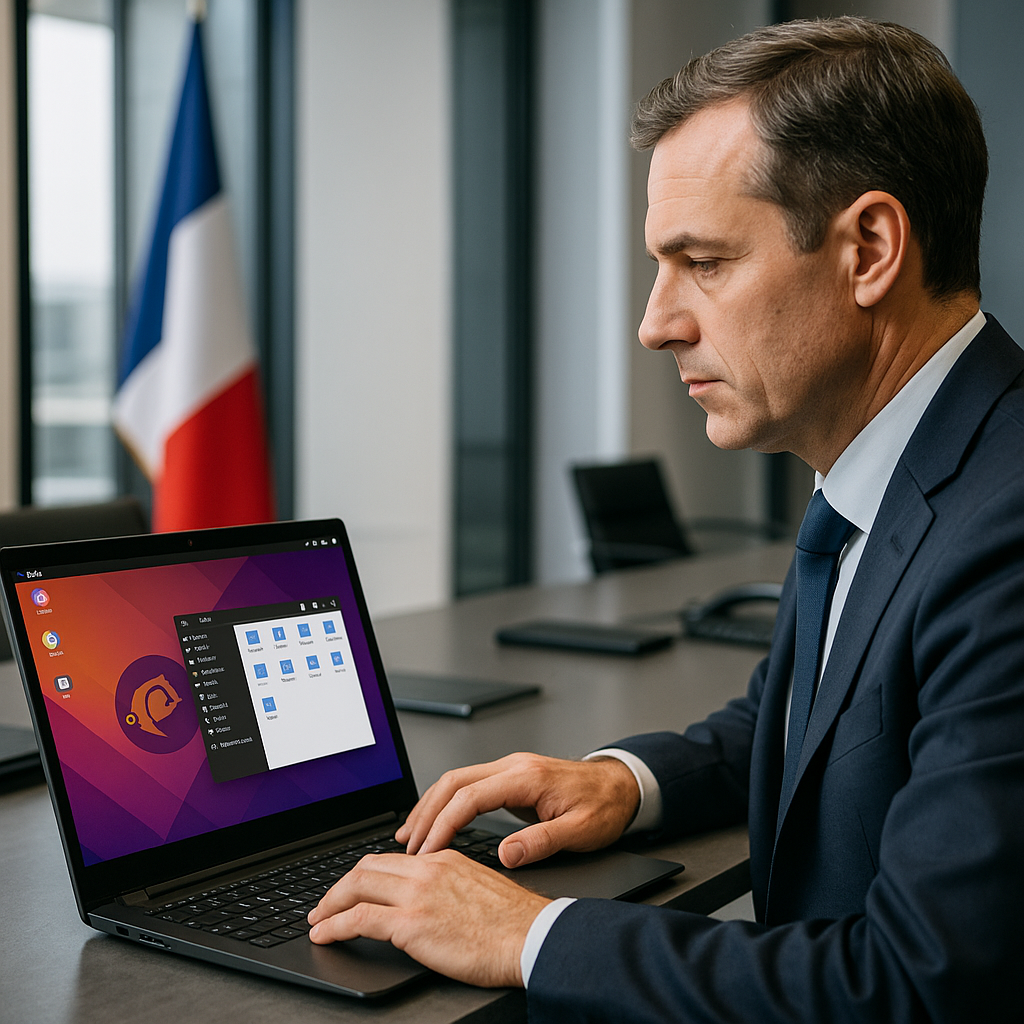
Why France is Moving Away From Windows
Linux, a free and open-source operating system, provides governments with robust tools to tailor their digital ecosystems and ensure greater control over data and security. “It’s about regaining control of our digital destiny,” Amiel explained, emphasizing how the new policy stems from concerns about excessive dependence on foreign technology providers.
The underlying issue of data sovereignty has been a growing concern for European nations, particularly in light of geopolitical instabilities and sanctions imposed by U.S. leadership in recent years. Specific actions by the U.S., such as targeting judges at the International Criminal Court and isolating critics through financial and technological sanctions, have sparked alarm across Europe. These developments have underscored the risks of relying too heavily on American platforms for essential operations.
France’s migration toward Linux begins with its digital transformation agency, DINUM, signaling its intention to choose open-source alternatives over proprietary software. While no specific Linux distribution has been selected, the French government’s decision to prioritize open platforms aligns with broader European initiatives to build a more self-sufficient technological landscape.

A Broader Trend in European Digital Policy
France’s decision is part of a larger trend in Europe. Earlier this year, the European Parliament urged the European Commission to map out key areas where reliance on foreign technologies could be reduced. The European Union has emphasized the importance of investing in homegrown digital infrastructure and cloud services, with member states recognizing the necessity of minimizing risks tied to external providers.
This is not France’s first step toward digital independence. Last year, it switched from using Microsoft Teams for video conferencing to Visio, a French-built platform based on the open-source Jitsi technology. The government also intends to migrate its health data to a “trusted, localized platform” in the coming months—another clear indication of its commitment to shielding critical national infrastructure from foreign influence.
Across Europe, similar moves are becoming more common. Germany, Spain, and even smaller states like Estonia are experimenting with tackling software dependence by adopting more open-source tools or developing proprietary platforms. France’s decision might serve as a blueprint for similar initiatives from governments desiring increased control over both their data and their geopolitical standing.
The Benefits—and Challenges—of Adopting Linux
One of the most significant advantages of Linux is its open-source nature, which allows organizations to adapt the software for tailored functionality without relying on third-party vendors. This flexibility is invaluable for a government aiming to meet specific security and operational needs. Linux is also free of licensing costs, which could reduce public sector expenses significantly over time.
However, the transition to Linux may not come without challenges. Governments adopting the open-source framework must address compatibility issues with existing software and workflows, as well as ensure that employees are adequately trained to use new systems. “One of the greatest barriers to a Linux shift is often the simple inertia of existing processes,” says Jane Roe, a technology policy analyst based in Berlin. “But once the transition is underway, the long-term benefits generally outweigh the initial disruptions.”
While these hurdles may seem daunting, industry observers note that public sector migration toward Linux has succeeded in several cases. In Munich, Germany, for example, local government systems ran on Linux for over a decade before returning to Windows due to changing administrative priorities—offering both a lesson and a cautionary tale about sustaining commitment to open-source adoption.

What This Means for Global Tech Players
If France’s transition proves successful, it could send ripples through the global tech market. Technology leaders like Microsoft could face increased pressure from other governments considering similar pathways. It also points to an emerging narrative in which trust, transparency, and security, rather than just functionality and cost, are becoming pivotal factors in software adoption.
Amid growing calls for accountability, open-source software is increasingly seen as a way to mitigate the perceived risks of proprietary platforms. Organizations like the Free Software Foundation and the Open Source Initiative have long touted the ethical and practical benefits of transparent software, and France’s move lends increasing weight to this argument.
For U.S. tech companies, France’s announcement could be a harbinger of further challenges. A shift away from platforms like Windows might require firms to reevaluate their approach to data security, compliance with European markets, and their participation in global diplomacy.
Implications: What to Watch for Next
France’s pivot to Linux raises several intriguing questions for the future of technology and governance. Will other European nations follow suit? What specific Linux distributions might France adopt, and how will its government agencies adjust to new systems? Furthermore, will U.S. tech companies be compelled to invest in greater transparency and adaptability to maintain their dominance in global markets?
For citizens, the decision could have implications for how their government interacts with technology—not just in software choice but in broader discussions about privacy, security, and the ethics of digital governance.
Though challenges lie ahead, France’s move could ultimately lay the groundwork for a paradigm shift in how nations approach technology, ensuring that questions of sovereignty and control remain central to any conversation about innovation.
As France begins its rollout, this story will no doubt serve as a defining case for whether open-source tools can scale to meet the demands of modern government on the world stage.