France Uncovers Russian Disinformation Campaign Falsely Linking Macron to Epstein
France has uncovered a systematic disinformation campaign allegedly orchestrated by Russian operatives linking President Emmanuel Macron with the late financier and convicted sex offender Jeffrey Epstein. Experts claim this is part of a broader Kremlin-backed strategy to undermine Western democratic institutions by sowing distrust and spreading false narratives. The revelations highlight the increasing role of disinformation as a weapon in global geopolitics, raising important questions about how democracies can defend themselves against such attacks.
The Anatomy of a Disinformation Campaign
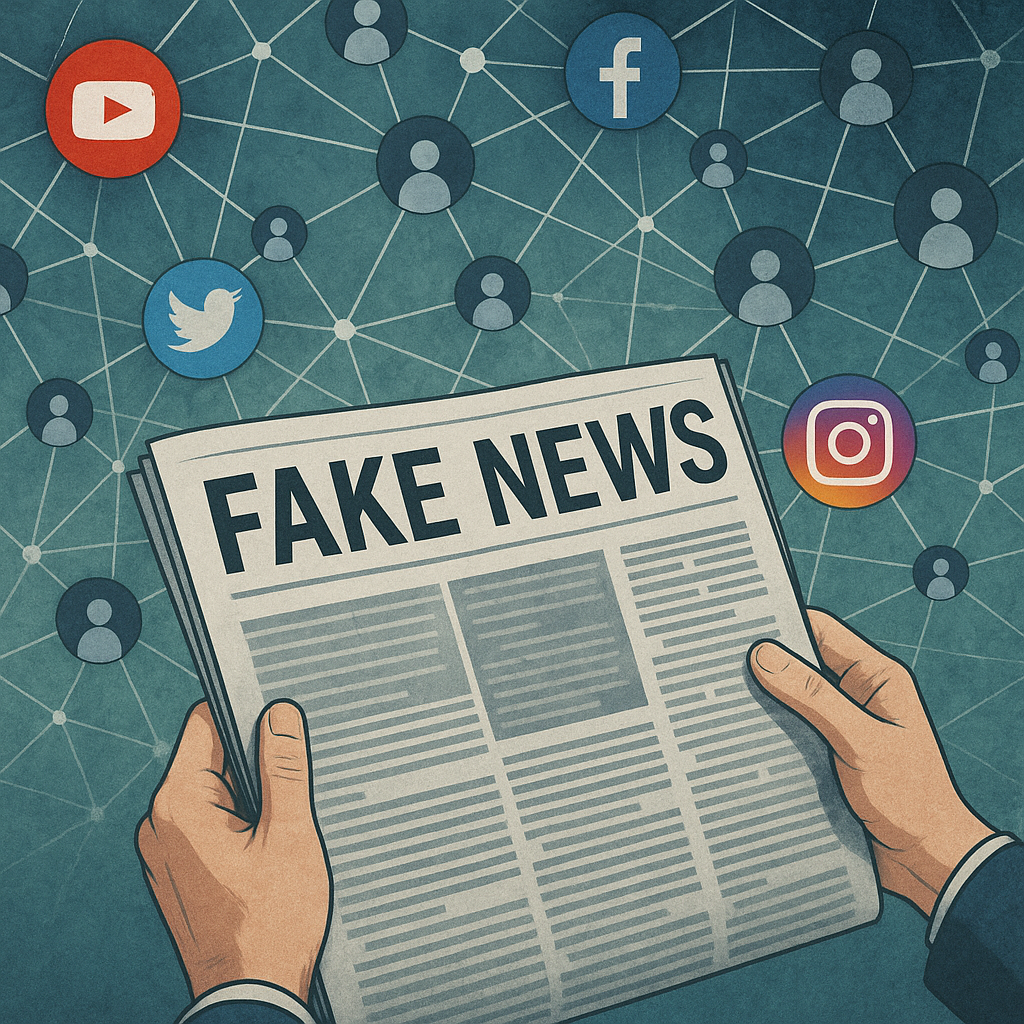
According to French government officials and cyber experts, the campaign revolves around fabricated claims and doctored images implying a relationship between Macron and Epstein. Investigators determined that these falsehoods were systematically amplified using a network of fake social media accounts, bot activity, and obscure pro-Russian media outlets.
French Foreign Minister Catherine Colonna labeled the operation as part of an ongoing hybrid warfare campaign by Moscow aimed at destabilizing Western institutions. “France will not tolerate malicious efforts to manipulate public opinion with lies intended to undermine our democracy,” she said in an official statement.
The allegations arise amid heightened international scrutiny over the role of state-sponsored disinformation in political destabilization. France’s revelation adds to a growing body of evidence accusing Kremlin-linked actors of conducting similar campaigns in other European countries, as well as in the United States.
Why Macron Is a Target
Experts say France, and particularly President Emmanuel Macron, has long been in Vladimir Putin’s crosshairs. Macron, a vocal critic of Moscow’s invasion of Ukraine, has played a central role in rallying European leaders to impose strict sanctions on Russia. Analysts suggest that disinformation campaigns targeting him are designed to tarnish his reputation and weaken his influence on the global stage.
“France holds a vital role in the EU, especially as a proponent of robust sanctions against Russia. Targeting its leader in this way is a calculated attempt to erode public trust in one of Europe’s staunchest defenders against aggression,” said Marie Durand, a cybersecurity expert based in Paris.
To bolster these goals, Russia appears to be turning to emotionally charged and polarizing narratives. By falsely tying Macron to a notorious figure like Jeffrey Epstein, Russian operatives likely aimed to exploit public anger and skepticism toward powerful elites.
Global Context: Russia’s Growing Disinformation Playbook
France’s experience is far from unique. In a detailed report published earlier this year, The New York Times outlined Russia’s persistent use of cyber and disinformation tools to influence foreign elections, sow division, and shift public sentiment in its favor. Tactics have ranged from fake news dissemination to phishing operations targeting political parties in the U.S., Germany, and the Baltic states.

In 2022, a joint investigation by Reuters and BBC revealed a network of Russian websites masquerading as independent news outlets. These sites, staffed by writers affiliated with Russian-backed entities, churned out articles designed to amplify divisive topics such as immigration and government overreach. France’s newly revealed incident appears to be yet another chapter in the Kremlin’s disinformation arsenal.
“We’re observing a clear pattern of information warfare being waged against the West. The purpose isn’t just chaos; it’s specifically tailored to delegitimize political leadership and obstruct cohesive policymaking,” cyber analyst Thomas Rousseau noted in a commentary to the French TV channel France 24.
The Role of Social Media and Tech Giants
The proliferation of these campaigns has reopened debates over the role of social media platforms and their responsibility in curbing disinformation. While companies like Facebook, Twitter, and YouTube have taken steps to counter false narratives—ranging from fact-checking labels to banning accounts—critics argue that these measures remain insufficient.
“Social platforms are still fertile ground for malicious state actors to exploit,” said Jennifer Sullivan, a technology policy analyst. “Their algorithms are wired to prioritize ‘engagement,’ which often means giving divisive or sensational content more visibility.”
France has been proactive in pushing technology firms to improve content moderation and coordinate with governments against disinformation. However, the challenges posed by decentralized platforms like Telegram and X (formerly Twitter) remain formidable. Both platforms have become the preferred avenues for spreading falsehoods, largely due to their relatively relaxed content moderation policies.
What’s at Stake?
The exposure of this campaign has significant geopolitical implications. By targeting Macron, Russian disinformation efforts highlight a strategy aimed not only at creating domestic instability in individual nations but also at fracturing Western alliances. Campaigns of this nature could weaken transnational cooperation, undermine trust among NATO allies, and shift global power dynamics in Moscow’s favor.
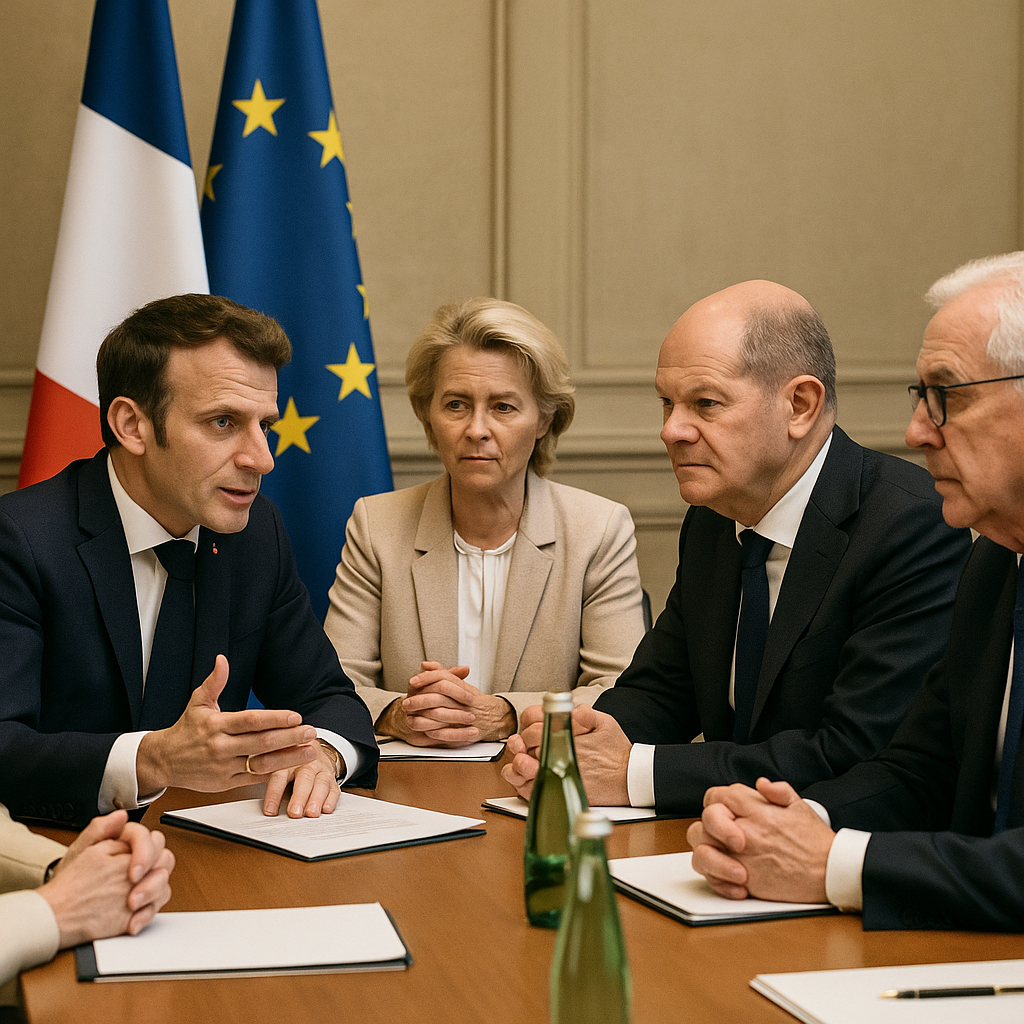
Moreover, the issue underscores the urgent need for Europe to fortify its defenses against unconventional forms of warfare. The EU has been exploring a range of countermeasures, including stricter regulatory frameworks and enhanced cooperation between intelligence agencies, to address this growing threat.
What Comes Next?
The disinformation campaign linking Macron to Jeffrey Epstein serves as a sobering reminder of the evolving nature of geopolitical warfare in the digital age. Moving forward, France’s ability to deter such operations will depend on its capacity to collaborate with allies and develop innovative countermeasures that go beyond traditional cybersecurity protocols.
The country’s revelation also places added pressure on global tech giants to commit to greater transparency and cooperation with governments to detect and take down malicious activity. Given the Kremlin’s apparent investment in information warfare capabilities, analysts warn that this is unlikely to be the last time a world leader finds themselves in the crosshairs of a disinformation campaign.
“Disinformation is an endemic threat,” said cybersecurity expert Durand. “It requires constant vigilance, greater public awareness, and international alignment to counteract its effects.”
For now, observers and policymakers will be closely watching the immediate fallout from this revelation—both in terms of its impact within France and its ripple effects across the international community. The next chapter in the battle against disinformation appears to have only just begun.