Images chosen by Narwhal Cronkite
French Central Bank Nets €13bn by Pulling Gold Out of US Reserves
The Banque de France has made headlines with its decision to relocate and upgrade its gold reserves, securing a €13 billion windfall while consolidating its holdings exclusively in Paris. This move underscores a broader strategy by nations to enhance financial sovereignty and optimize reserve management amidst evolving global market dynamics.
A Decisive Move to Modernize France’s Reserves
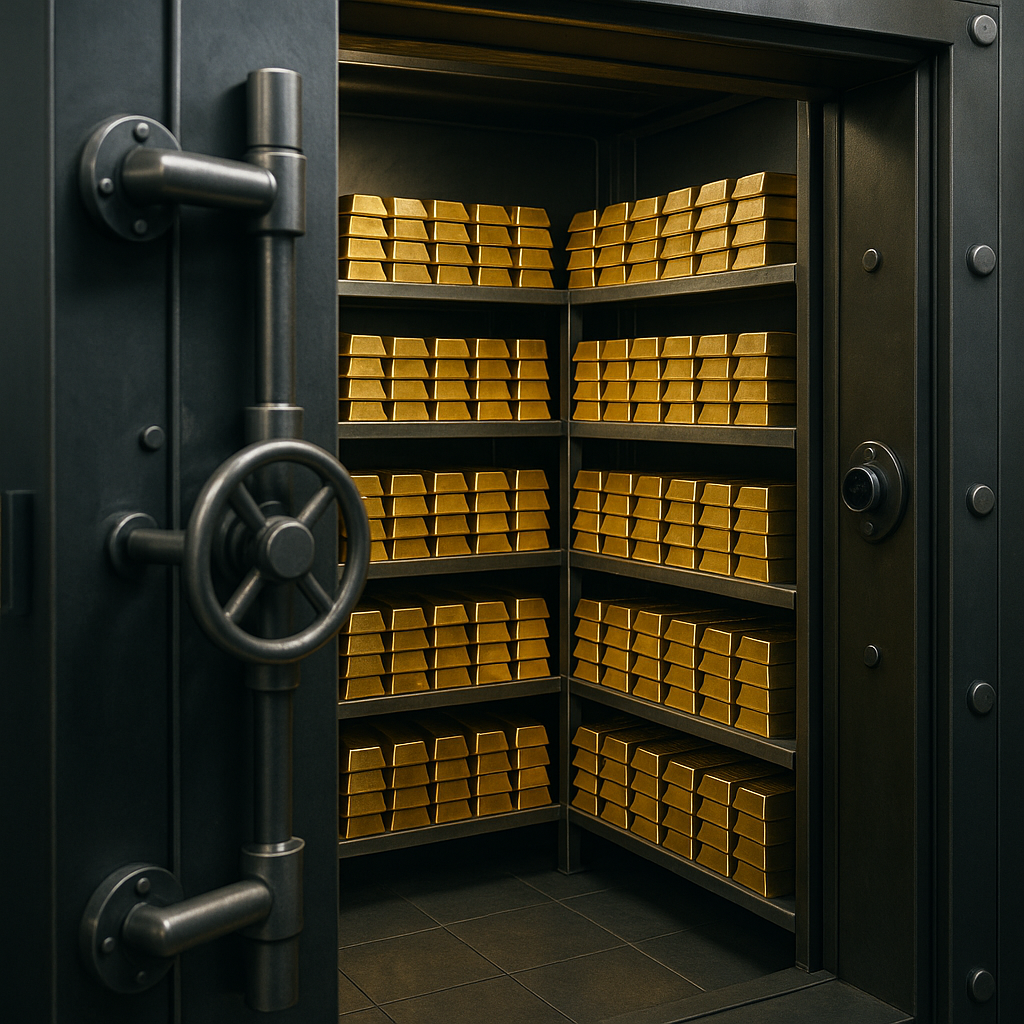
In a landmark economic maneuver, the Banque de France (BdF) completed the sale of its last 129 tonnes of gold held at the United States Federal Reserve. This final tranche of gold, representing roughly 5% of France’s total reserves, was sold between July 2025 and January 2026. The capital resulting from this transaction was reinvested in gold bars that meet modern international standards, which are now securely stored within Paris vaults.
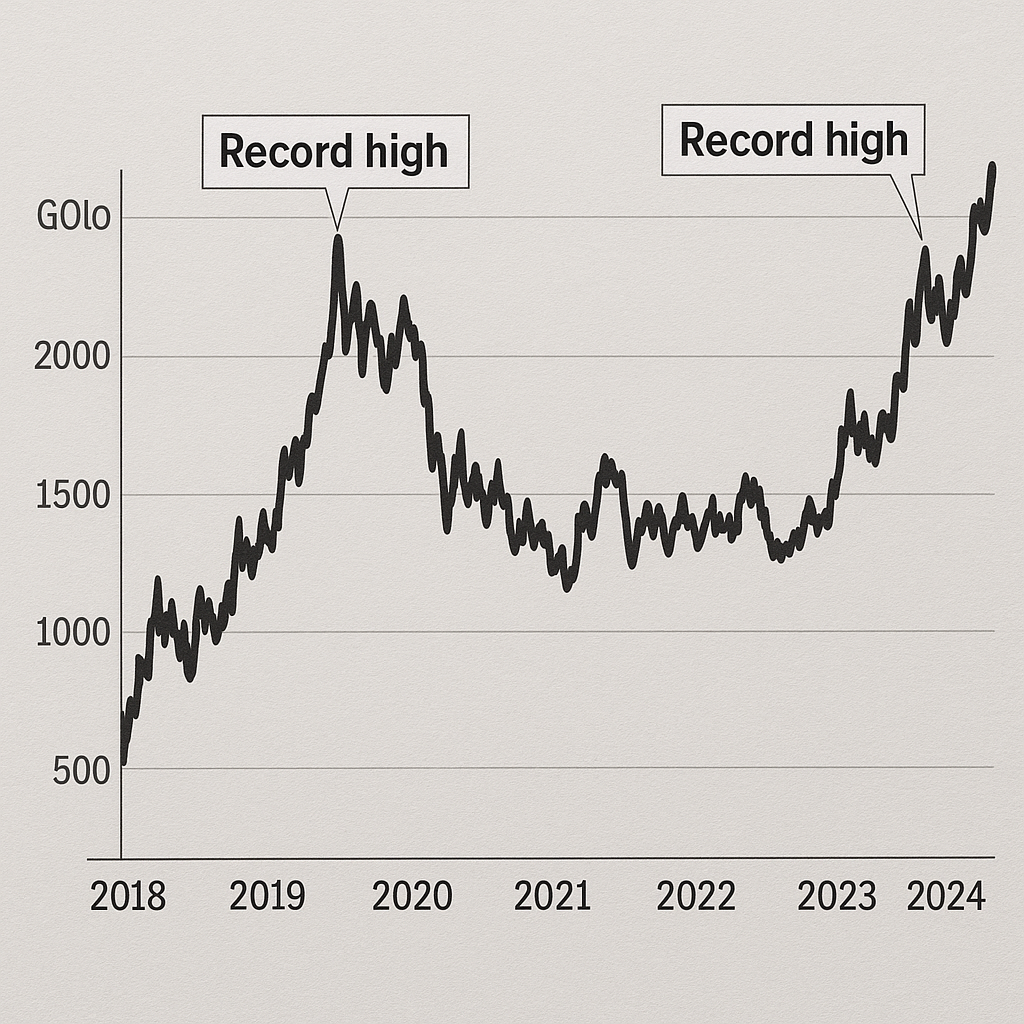
The transaction was part of a longer-term strategy initiated in 2005, during which France systematically replaced older bullion that did not comply with updated specifications. Rather than bearing the logistical challenges of refining and transporting gold from U.S. vaults, the BdF opted for a direct sale of the non-standard stock. The exceptional profit generated was bolstered by record-high gold prices observed in recent years.
“The decision to sell older gold bars in favor of modern, compliant ones is purely an economic and technical move,” said Francois Villeroy de Galhau, the BdF’s governor. “This step ensures that our reserves are aligned with international norms, reflecting our commitment to transparency and efficient financial management.”
Gold Standards: A Reflection of Sovereignty
France’s total gold reserves, now entirely consolidated in Paris, stand at approximately 2,437 tonnes, making the country the fourth-largest holder of gold globally. By maintaining control over all its holdings domestically, France is sending a clear message about its intent to retain economic autonomy. The shift away from storing reserves overseas—particularly in the Federal Reserve and the Bank of England—dates back decades, with significant withdrawals taking place primarily between 1963 and 1966.
Most notably, this final divestment of U.S.-held gold comes amid rising global discussions regarding the geopolitical significance of reserve placements. France’s European neighbor, Germany, continues to maintain a significant portion of its gold—37% of its 3,355 tonnes—in the United States. However, calls for repatriation have emerged, with some German economists questioning the prudence of relying on foreign custody given recent geopolitical uncertainties.
“Our gold is no longer safe in the Fed’s vaults,” remarked Michael Jäger, head of the European Taxpayers Association, referencing the unpredictability of global policies under administrations such as former U.S. president Donald Trump’s.

Capitalizing on Record-High Gold Prices
The timing of France’s transactions is noteworthy. Gold prices have surged over the past couple of years, driven by market volatility, inflation concerns, and heightened demand for safe-haven investments. Analysts observed that from mid-2025 to early 2026—the period during which the Banque de France executed these sales and purchases—gold prices reached historical peaks, positioning France to extract maximum value for its older reserves.
“France has shown remarkable financial foresight,” said Jean-Luc Fournier, a commodities market analyst. “By choosing this window to execute their gold strategy, they’ve not only modernized their reserves but have also contributed positively to the central bank’s balance sheet during a period of strained economic conditions.”
This turnaround is particularly significant for the BdF, which reported a net profit of €8.1 billion for 2025, in stark contrast to the €7.7 billion net loss it suffered the previous year. The €13 billion gains from gold transactions played a pivotal role in reversing this financial trajectory.
A Broader Context: Financial Autonomy in a Multipolar World
This strategic decision by France to fully centralize its reserves reflects an emerging trend among nations to reevaluate the global distribution of their assets. In an increasingly unpredictable geopolitical landscape, financial independence is taking on renewed importance. Countries are now weighing the benefits and risks of maintaining foreign-held reserves in light of changing international alliances, potential sanctions, and evolving trade policies.
Observers note that while France’s decision is framed as a technical upgrade, it also reflects a gradual pivot toward economic self-sufficiency. The move to consolidate reserves within domestic borders can act as a strategic buffer in times of external financial or political pressures.
“Recent years have shown that global uncertainty—from pandemic-induced recessions to military conflicts—can significantly impact financial stability,” observed Andreas Mueller, a financial policymaker in Frankfurt. “The French central bank’s actions illustrate how nations are safeguarding themselves from potential external disruptions.”
Looking Ahead: Implications for Global Markets
France’s bold step may influence decisions made by other major reserve holders. As countries recalibrate their approach to asset management, similar moves could follow to consolidate holdings within national territories or refine reserve strategies.
Germany, for instance, which continues to store substantial reserves overseas, may face growing internal pressure to reassess this policy. Similarly, emerging economies seeking to stabilize their currencies may choose to adopt more active, forward-looking gold reserve strategies inspired by France’s example.
Gold markets themselves could also see ripples from such actions. As reserves are shifted, upgraded, or consolidated, demand-supply dynamics may fluctuate. France’s primary reliance on the European market for its gold purchases is an indirect signal to strengthen regional gold trade liquidity, potentially encouraging other EU nations to consider localized transactions over global ones.
The Bottom Line
France’s €13 billion gain highlights the power of strategic financial decision-making, leveraging both market conditions and technological updates to optimize national reserves. While the decision to centralize gold holdings within Paris is framed as operational, it is not without its broader implications for global economics and geopolitics.
As the dust settles, analysts and policymakers alike will be keenly watching whether this trend inspires other nations to revisit their gold reserve strategies. For now, France’s financial move stands as a testament to careful planning and strategic execution in a rapidly shifting global economy.
Only time will tell the full implications of this move, but one thing is clear: national autonomy, especially in economic terms, is becoming an increasingly vital priority for countries navigating an uncertain future.