Images chosen by Narwhal Cronkite
Half of Data Centers for 2026 Canceled or Delayed: What It Means for the Tech Industry
Amid rapid technological advancements and unprecedented demand for digital infrastructure, the data center industry is facing a substantial slowdown. Nearly half of the data centers scheduled for completion in 2026 have been either canceled or delayed, according to a report published on MSN. This alarming trend raises questions about the underlying causes and the long-term impact on industries reliant on data-heavy operations, from artificial intelligence (AI) to cloud computing.
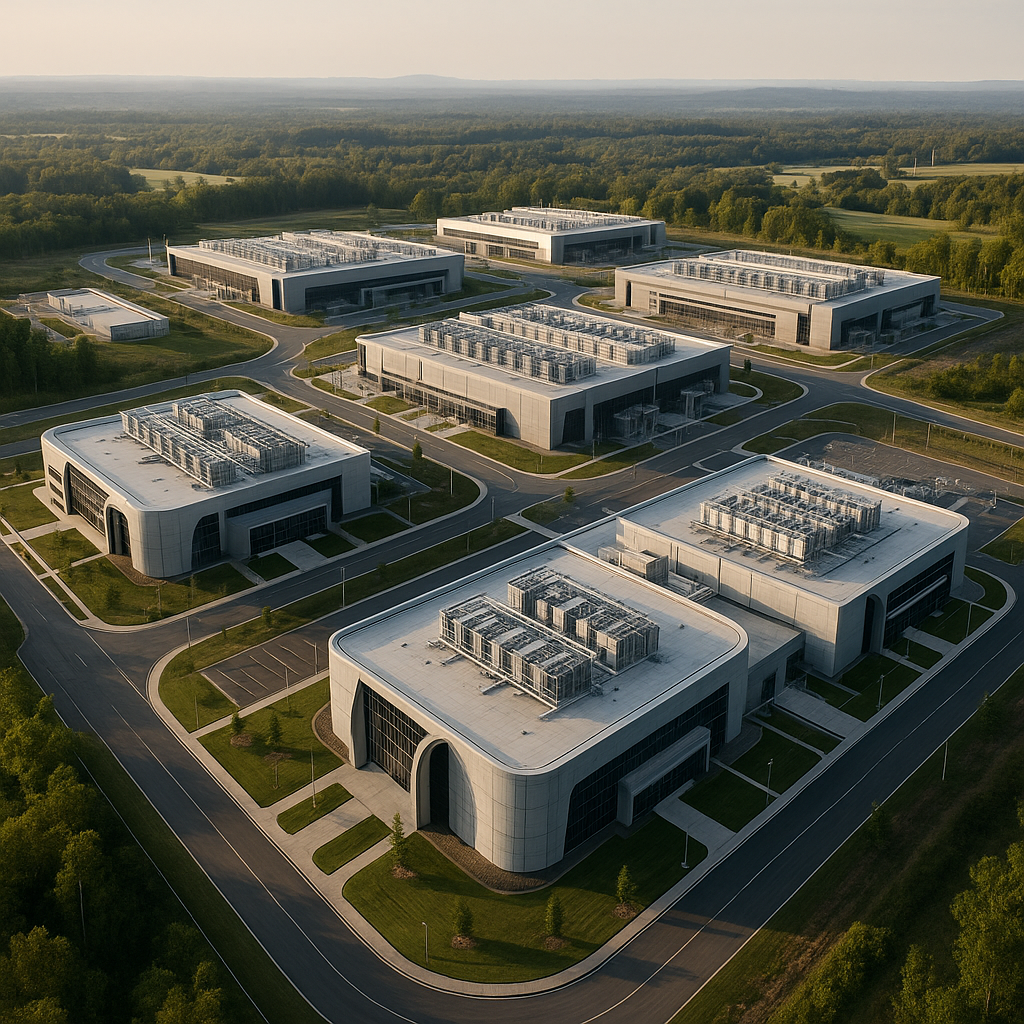
The Scale of the Problem
Data centers, often referred to as the backbone of the digital world, are essential for everything from hosting websites to powering emerging technologies like AI. A sharp decline in planned projects, particularly in the United States, isn’t just a technical setback—it signals vulnerabilities in the broader technology ecosystem. According to MSN’s reporting, this trend is expected to worsen in the coming years, signaling a shift in industry dynamics that requires urgent attention.
Key factors behind the slowdown include escalating construction costs, environmental regulations, and power supply constraints. Additionally, the global economic climate, as reported by Kotaku, is influencing decisions on large-scale projects, especially in markets where risk-averse behavior is becoming the norm. “We’re seeing tighter budgets at a time when technology is accelerating,” said an industry analyst. “It’s a dangerous combination for long-term growth.”

Environmental and Regulatory Challenges
One of the primary hurdles for data center projects is compliance with increasingly stringent environmental standards. Local and national governments are tightening regulations relating to water usage, energy efficiency, and emissions. Even big tech companies with deep pockets are finding it difficult to meet these requirements without significant delays or modifications to their plans.
This challenge aligns with broader criticisms from environmental groups who argue that data centers, often located in water-scarce regions, consume vast amounts of electricity and contribute to ecological degradation. According to industry observers, the balance between sustainability and scalability has become a “choke point” for development.
The Tech Industry’s Growing Dependence on AI
The proliferation of machine learning, natural language processing, and AI-driven products has further complicated the picture. Companies like OpenAI and NVIDIA, which rely heavily on robust data center infrastructure, may struggle to maintain operations without reliable expansion of facilities.
This concern is echoed in other segments of the tech industry. Kotaku’s recent analysis of RAM manufacturers, for instance, highlights a decline in market confidence. With fewer data centers to process and store large datasets quickly, the entire hardware supply chain may also feel the ripple effects.
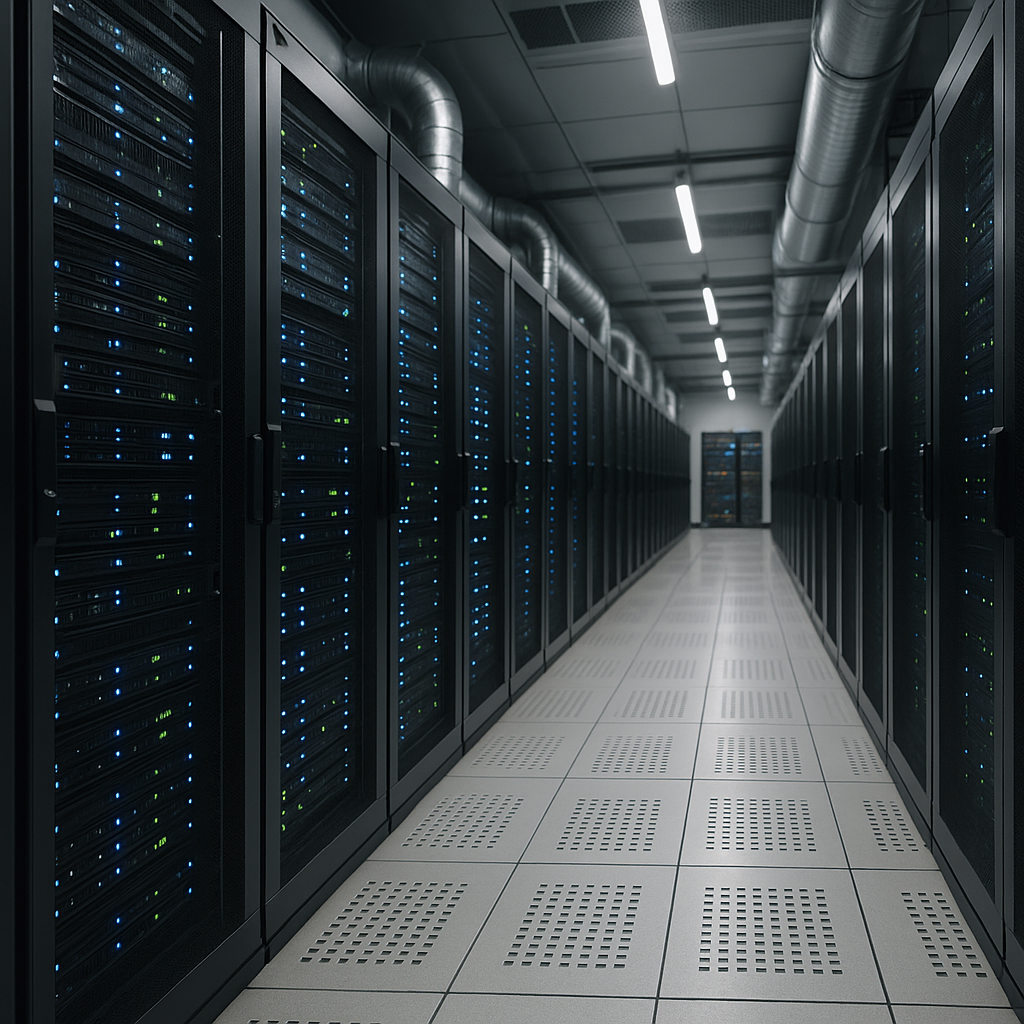
What the Numbers Tell Us
While the raw number of data center projects facing setbacks is striking, it’s even more revealing to look at the economic and operational ramifications. Delays in infrastructure growth will likely exacerbate competition for existing resources, pushing up costs for cloud services and potentially limiting innovation in bandwidth-intensive technologies such as virtual reality (VR) and augmented reality (AR).
Additionally, a report from 24/7 Wall St. points out that some tech stocks are experiencing short-term dips due to investor fears of broader market instability. However, the publication highlighted several companies that could see triple-digit returns despite current headwinds, illustrating how volatility comes with opportunities for resilience.
What to Watch for Next
As the tech industry navigates these challenges, there are key trends worth monitoring. First, advancements in sustainable data center design could provide a pathway forward. Innovations in liquid cooling systems, for example, can reduce energy consumption, while developments in renewable energy partnerships might ease cost burdens.
Second, increasing regional diversification could help mitigate dependency on specific geographic areas. Rather than placing all investments in traditionally favored locations like Silicon Valley, companies might explore emerging hubs in Europe, Asia, and Latin America.
Finally, the role of government policy cannot be ignored. Policymakers will need to strike a difficult balance: fostering innovation while addressing environmental concerns. The coming years will likely test the ability of regulators, companies, and consumers to find common ground as the tech revolution presses forward.
The shortage of data center capacity is a wake-up call for the entire industry. Whether it becomes an obstacle or an opportunity will depend on how stakeholders respond to this critical inflection point.