Images chosen by Narwhal Cronkite
Hershey Returns to Classic Chocolate Recipes: Sweet Vindication for Reese’s Legacy
In a move that has stirred both nostalgia and cautious optimism among chocolate lovers, Hershey has announced it will revert to using its classic milk and dark chocolate recipes in most of its products by 2027. For Brad Reese, grandson of the inventor of the beloved Reese’s Peanut Butter Cups and vocal critic of Hershey’s recent ingredient compromises, this announcement might signal vindication—though he remains skeptical.
A Sweet-but-Bitter Journey for the Reese Family
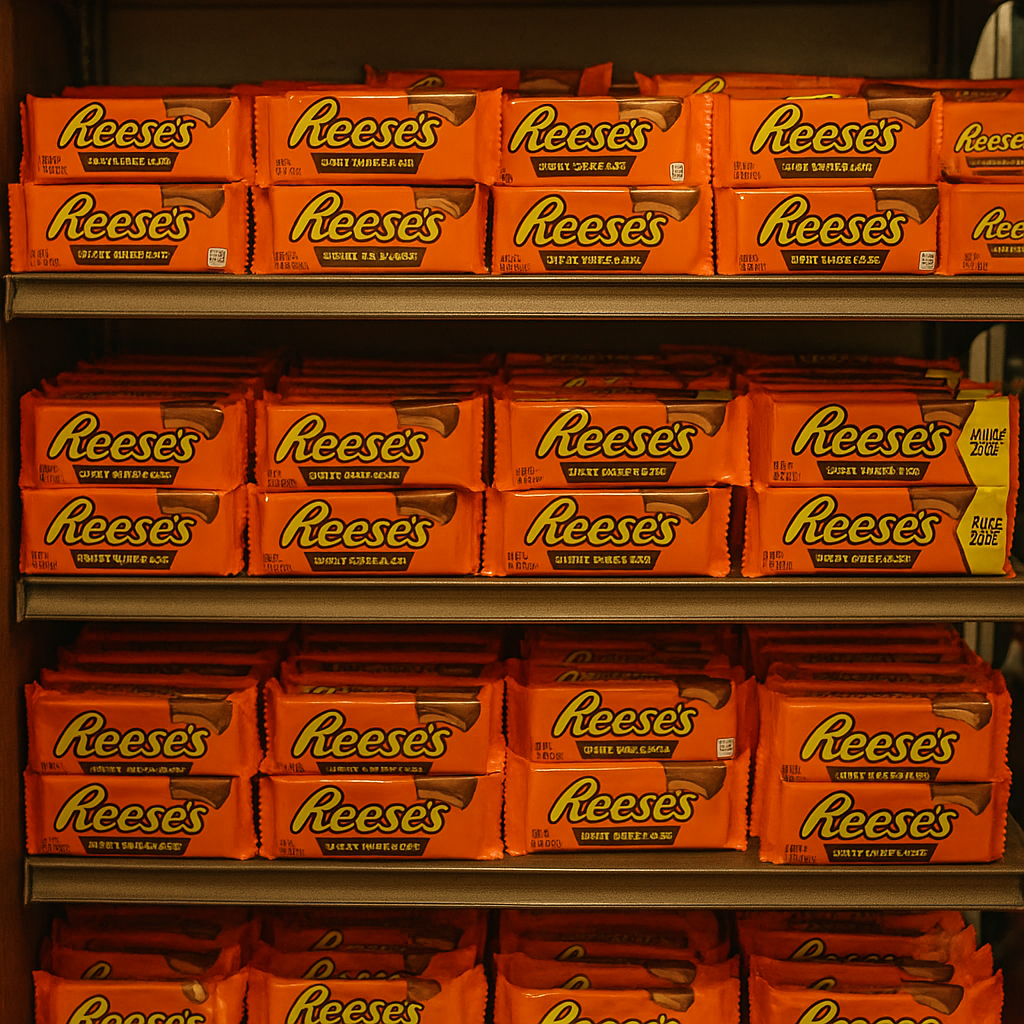
The saga began earlier this year when Brad Reese publicly criticized Hershey for altering the original formula in Reese’s spinoff products, replacing real milk chocolate with a cheaper chocolate compound coating. Reese’s comments struck a chord with candy enthusiasts worldwide, many of whom shared his dismay at the perceived decline in quality.
“If this is true, the people who deserve the credit are the loyal fans who were alarmed by what Hershey was doing,” Reese told NBC News. “But I am seeing a lot of red flags here. I think what Hershey is trying to do here is change the PR narrative.” Reese’s skepticism is grounded in history, as he has long been an advocate for preserving the authenticity of his family’s iconic creations.
Hershey CEO Kirk Tanner, who joined the company in August 2025, countered these claims by stating that the shift back to real chocolate had been in the works long before Reese’s criticism gained traction. “Right when I started with the company, we did a deep dive across our portfolio,” Tanner explained in an interview with Bloomberg. This claim notwithstanding, Reese remains unconvinced and has vowed to hold Hershey accountable, citing Valentine’s Day as the spark for his campaign against ingredient compromises.
Reclaiming Authenticity: What Hershey Promises
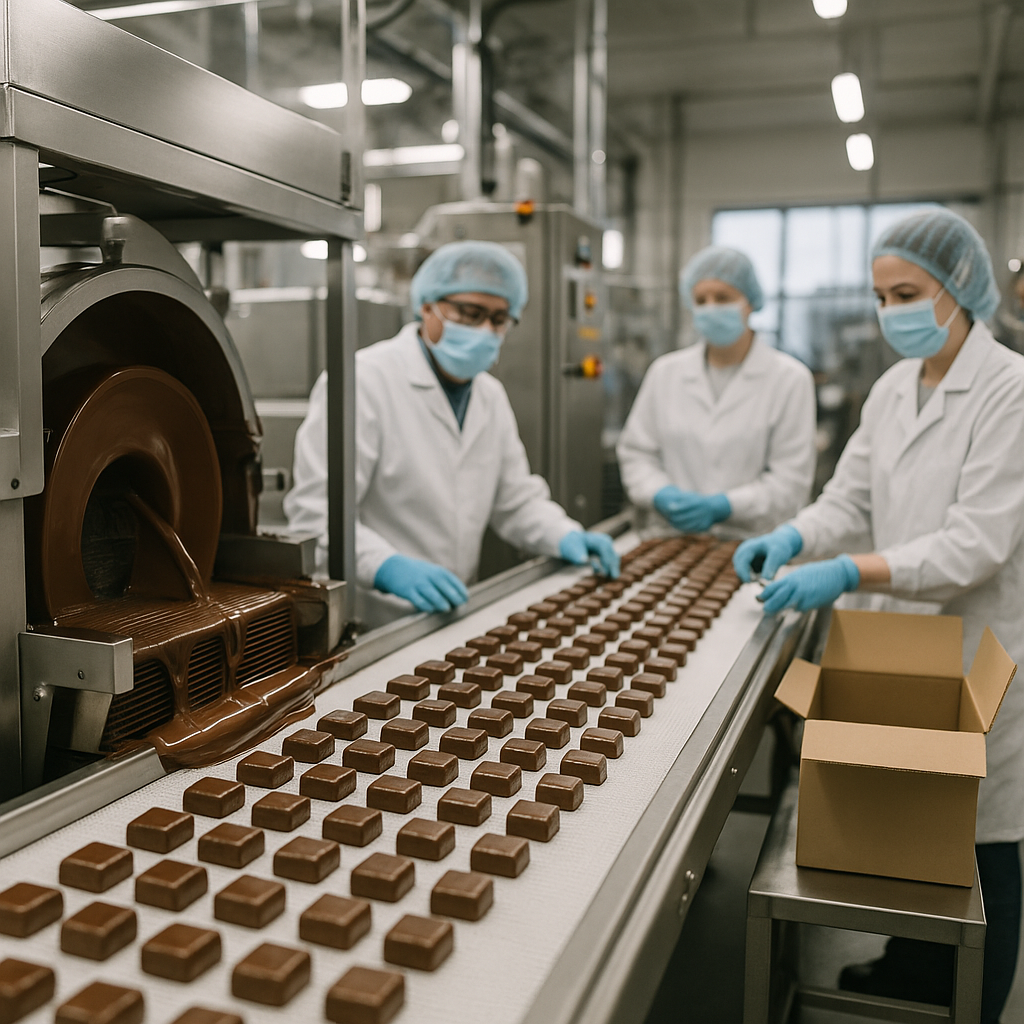
Hershey expressed intentions to align its candy portfolio with “classic brand values.” According to Tanner, the company’s Reese’s Mini Hearts, Reese’s Fast Break bars, and other spinoff products will once again feature real milk chocolate by next year as part of this sweeping overhaul. Traditional Hershey’s chocolate bars will similarly return to their original recipes of pure milk and dark chocolate, a shift welcomed by many devoted customers.
The company also noted that it aims to remove all artificial colors from its products by the end of 2027, signaling a broader commitment toward natural ingredients. Additionally, Hershey revealed plans to “enhance” the famous Kit Kat candy bar with a creamier taste and smoother texture, demonstrating a comprehensive strategy to elevate its entire brand portfolio.
Industry analysts have responded favorably to these changes, though questions linger about Hershey’s motives and timeline. “It’s rare for a global brand to reverse course this way,” said a food market analyst. “Hershey’s move suggests they’re listening to their customers more closely than before, especially in the age of viral campaigns.” Whether the motivation stems from Reese’s vocal critique or preexisting internal plans is still up for debate.
Why Authentic Recipes Matter to Consumers
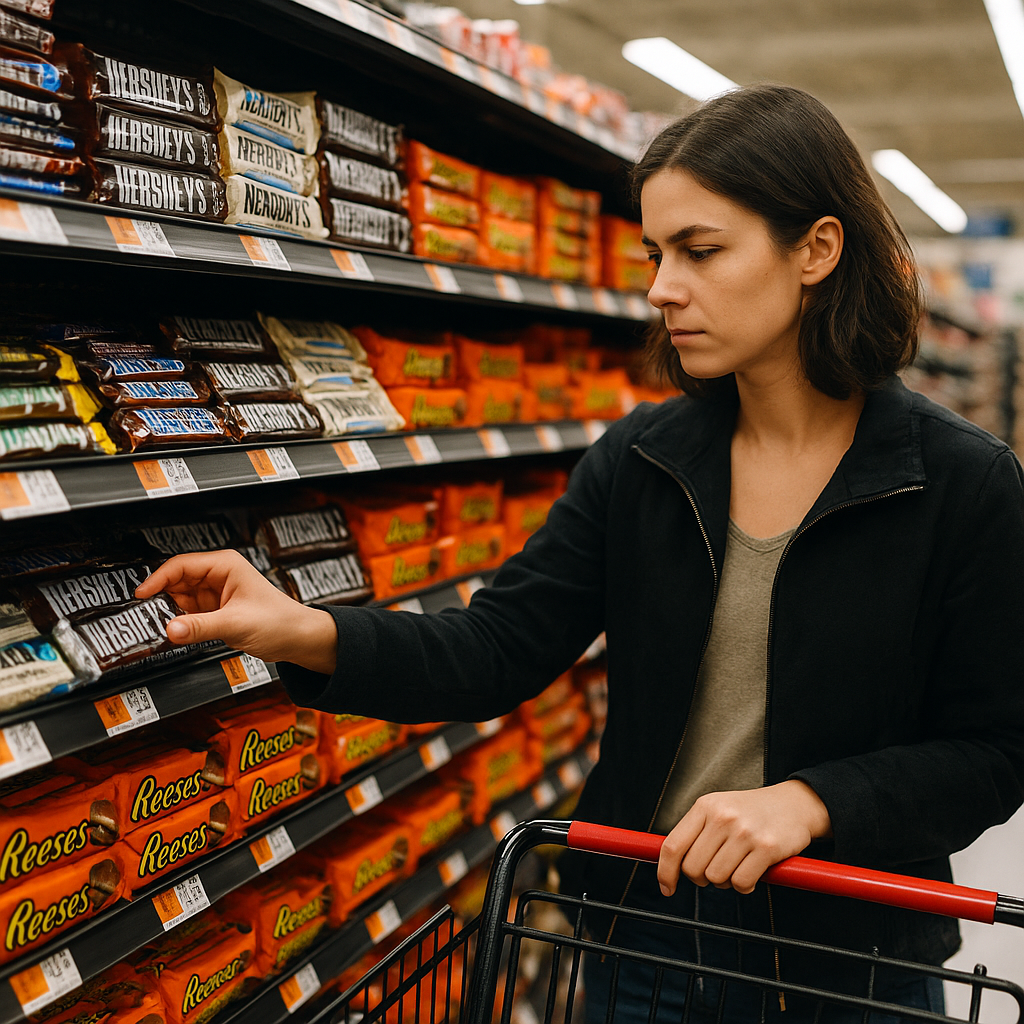
Underpinning the controversy is a broader conversation about how consumer preferences have shifted in recent years. The demand for real ingredients and transparency from food and candy manufacturers has grown significantly, fueled by trends in health-conscious eating and ethical consumerism. For legacy brands like Hershey, ingredient changes are not just cosmetic—they are fundamental to maintaining consumer trust and loyalty.
Brad Reese’s advocacy highlights the powerful role of cultural heritage in food branding. “When I taste a Reese’s product, I expect the same classic flavors my grandfather introduced in 1928,” Reese told reporters. Deviating from those timeless recipes risks alienating longtime fans while undermining the legacy they helped build.
Consumers have become increasingly sensitive to corporate practices in the food industry. From artificial additives to supply chain transparency, candy lovers today expect authenticity. Hershey’s announcement that it would shift back to real chocolate aligns with these expectations and signals a potential return to form for the confectionery powerhouse.
What’s Next for Hershey—and Brad Reese?
As Hershey implements its promised changes over the next two years, all eyes will be on whether the company delivers on its commitments. For Reese, tasting genuine milk chocolate in spinoff products will be the ultimate litmus test. “If something like the Valentine’s Day Reese’s Mini Heart still doesn’t taste like real milk chocolate next year, I’ll know they’re lying,” Reese warned.
The implications extend beyond Hershey’s current product line. The ability to maintain ingredient purity and adapt to consumer scrutiny may set an industry-wide precedent. Other large brands may follow suit, remodeling their offerings to align with rising demands for quality and tradition.
For now, Hershey faces the dual challenge of rebuilding trust with critics like Reese while forging ahead with new product enhancements, such as the creamier Kit Kat bars. “What happens between now and 2027 will decide whether Hershey can reclaim its throne among candy loyalists,” commented one industry observer. “Transparency and consistency will be key.”
Brad Reese’s campaign may be remembered as a triumph for grassroots advocacy within the confectionery industry. Whether he tastes sweet victory or bitter disappointment, the saga underscores the power of public opinion to influence corporate giants.
Key Questions and What to Watch Next
As Hershey begins implementing changes, several key questions remain unanswered:
- Will the new recipes live up to consumer expectations? Early reactions from taste tests could determine whether Hershey succeeds in winning back trust.
- How will sales respond? Enhanced recipes may provide a competitive edge, but they also increase production costs. The revenue impact will be closely monitored.
- Will other companies follow suit? Hershey’s shift could catalyze similar movements across the food and candy industries.
For chocolate lovers and industry analysts alike, the next few years will be instrumental in reshaping Hershey’s reputation. If the company delivers, this could mark a sweet comeback for one of America’s most beloved brands.