Images chosen by Narwhal Cronkite
A Teen Innovator Tackles the Global Microplastics Crisis with a Groundbreaking Water Filter
From our oceans to our drinking water, microplastics are a quiet but pervasive scourge infiltrating ecosystems and human bodies alike. Yet hope can come from unexpected places — like a high school lab in Virginia. Mia Heller, a Kettle Run High School student, has defied the odds by developing a water filtration system that removes over 96% of microplastics using an innovative and cost-effective method. Her creation challenges not just the norms of water filtration technology but also the idea that impactful solutions come only from seasoned scientists in state-of-the-art labs.
A Personal Need Inspires a Revolutionary Design
Microplastics, defined as plastic particles between 1 nanometer and 5 millimeters according to the Environmental Protection Agency (EPA), have emerged as a global environmental challenge. These tiny invaders permeate our water sources, slipping through conventional filters and raising questions about long-term health risks. While the scientific community debates their exact impact on human health, their accumulation in human organs and tissues is well-documented. But for Heller, the fight against microplastics began at home.
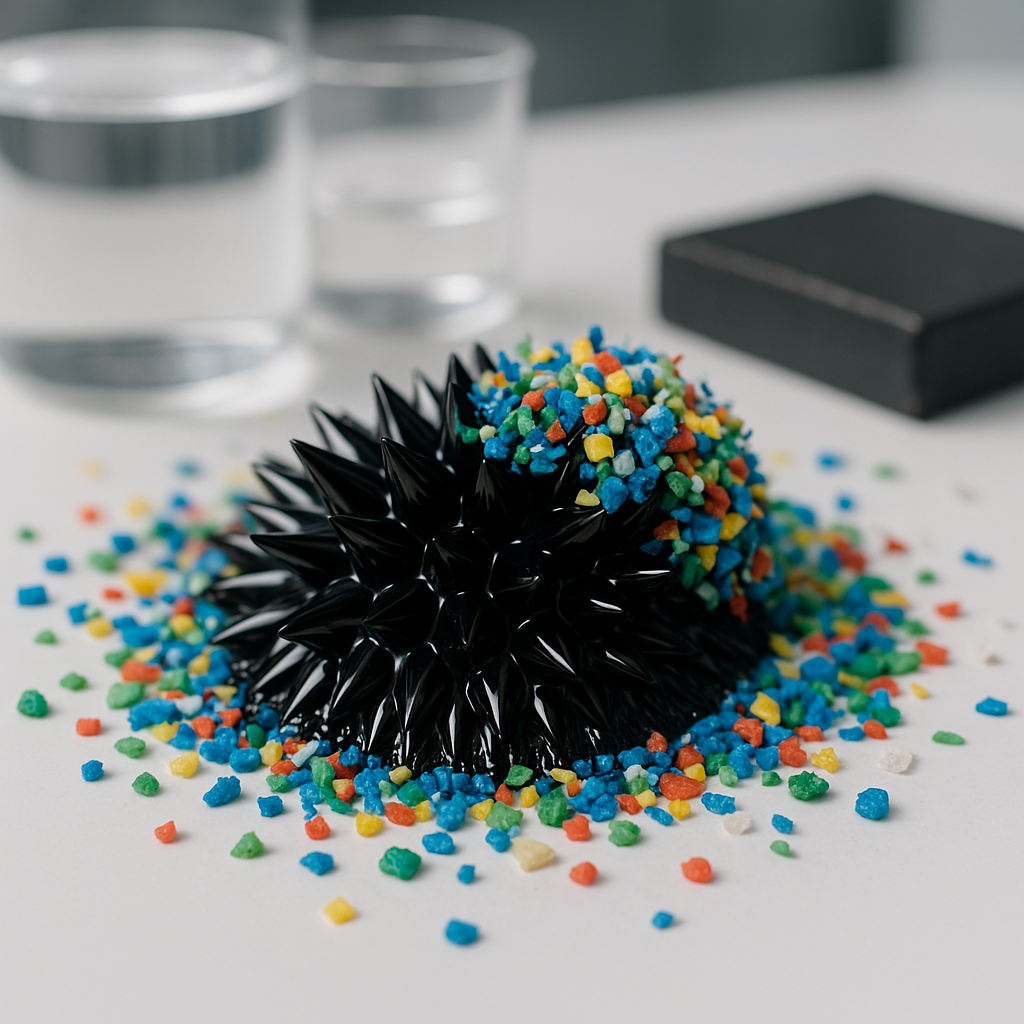
Living in Warrington, Virginia—where water contamination is a documented issue—her family wrestled with costly, high-maintenance home filtration systems. “It inspired me to design a filter without the use of membranes, to decrease the costs and maintenance needs associated with water filtration,” Heller explained. Her eureka moment came with the idea of ferrofluid, a magnetic liquid, as the core of her solution. The result? A first-of-its-kind system that eliminates microplastics without disposable filters, prioritizing efficiency and sustainability.
Breaking Down the Science Behind It
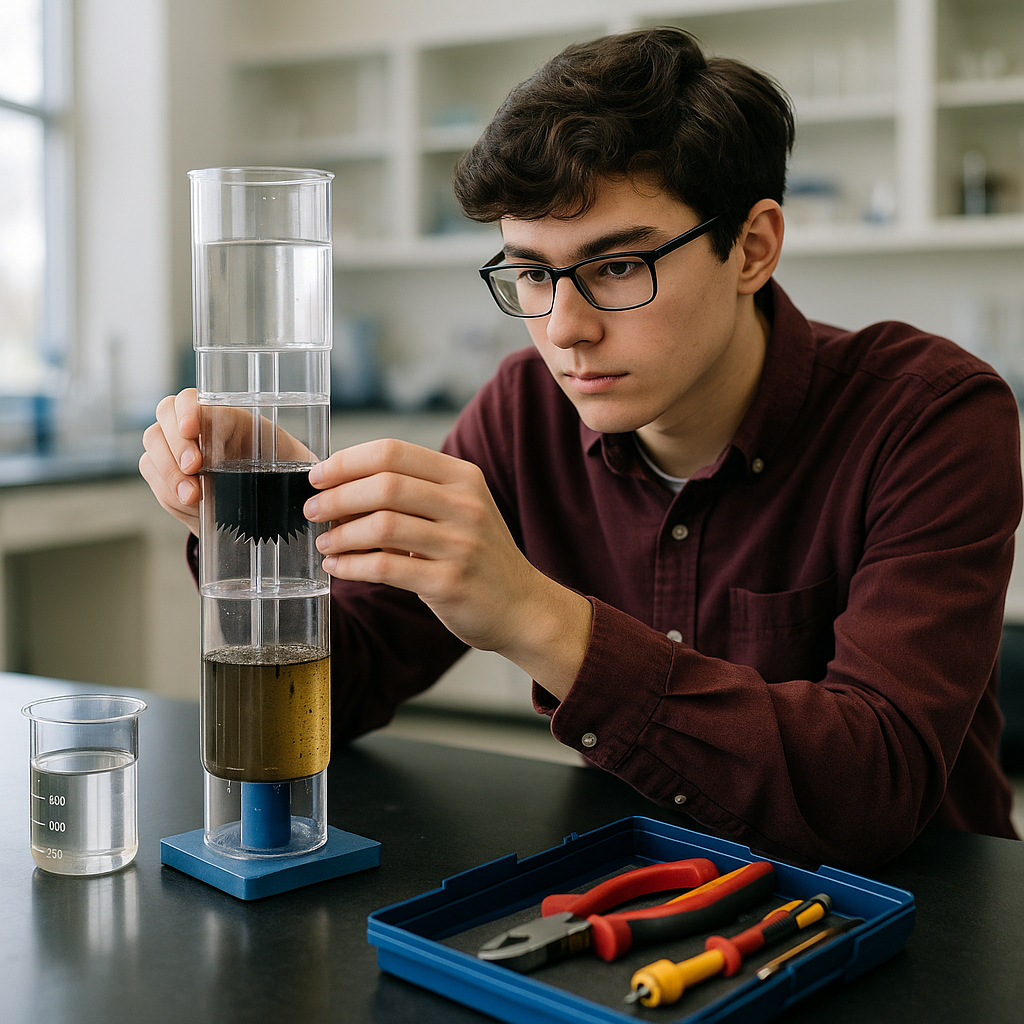
Heller’s invention boasts a straightforward yet brilliant design: a tri-chamber system that facilitates the separation of microplastic particles from water. Here’s how it works:
- The Water Chamber: This serves as the system’s starting point, where contaminated water flows in.
- The Ferrofluid Chamber: A specially formulated magnetic liquid bonds to microplastic particles due to their unique properties.
- The Separation Unit: Once bonded, the microplastics are magnetically pulled out of the flow, leaving clean water behind.
Perhaps the most impressive aspect of this innovation is that the ferrofluid can be recovered and reused, eliminating the need for costly or disposable components. This sustainable feature makes Heller’s design a potential game-changer, particularly for communities struggling with both water contamination and limited resources.
The Microplastics Epidemic: Why It Matters
If you’re wondering why microplastics removal is such a high priority, consider this: Researchers from the University of New Mexico have found microplastics in human tissues ranging from the brain to bone. In just a decade, their levels in brain samples have surged by 50%, as noted by Dr. Matthew J. Campen. While the long-term health effects remain somewhat unclear, early findings suggest potential links to cardiovascular and neurological diseases.
Environmental impacts are equally concerning. An estimated 170 trillion plastic particles circulate in the world’s oceans, according to recent studies. Microplastics are ingested by marine animals, often carrying harmful pollutants that accumulate in the food chain. In this context, even small-scale solutions like Heller’s water filter could form part of a larger, integrated strategy to mitigate this global crisis.
Challenges Ahead for the Young Innovator
While Heller’s design shows immense promise, scaling such technology from prototype to market is no small feat. The scientific community remains cautiously optimistic, acknowledging both the potential breakthroughs in her invention and the challenges of widespread implementation.
Key questions include:
- How adaptable is the technology across different water sources?
- What are the long-term maintenance costs, even without membrane replacements?
- Can the ferrofluid be manufactured affordably on a global scale?
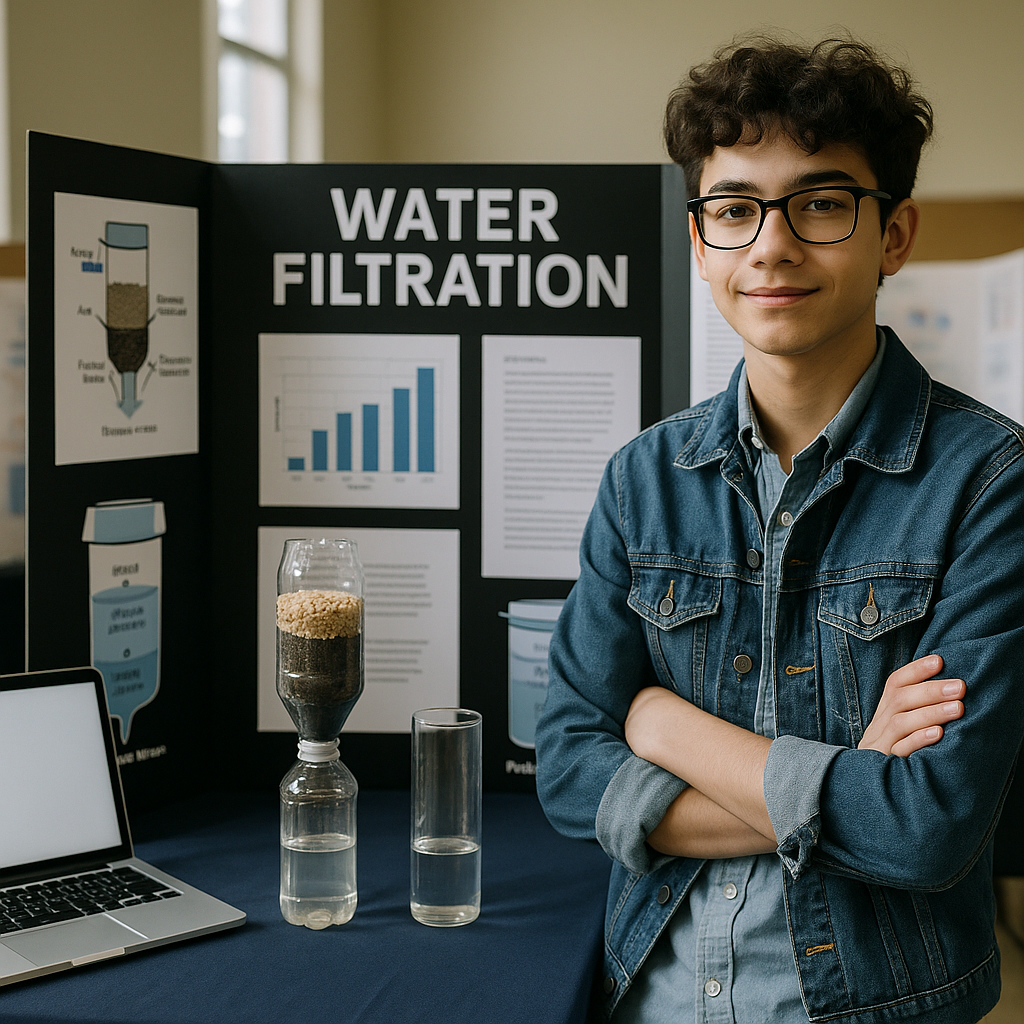
Heller presented her project at the Regeneron International Science and Engineering Fair, earning praise from judges and highlighting the increasing focus on youth-led innovations. However, bringing such ideas to fruition often requires institutional backing, funding, and rigorous testing to meet industrial safety and quality standards.
The Bigger Picture: A Call for Innovation
Heller’s work is a testament to the role of young minds in tackling enormous challenges. In a year when technology and engineering fields delivered breakthroughs ranging from advanced graphing calculators to quantum computing contributions, science fairs and similar platforms remind us of the innovation thriving far from corporate labs.
More importantly, her success highlights the need for educational systems, nonprofits, and government programs to invest in fostering science, technology, engineering, and math (STEM) for young students. Heller’s invention isn’t just a technical breakthrough; it’s a powerful narrative. Disruptive ideas can come from high school classrooms and kitchen counters, given the right mix of curiosity, resources, and opportunity.
What Lies Ahead?
As scientists continue decoding the microplastics crisis, groundbreaking solutions like Heller’s draw attention to practical, innovative approaches. The next crucial step will involve rigorous peer reviews and private or government funding to expand and refine her prototype.
The story of Mia Heller offers a remarkable template for addressing global challenges at a grassroots level. While governments and industries attempt to curb large-scale plastic pollution and improve regulations, individuals stepping forward with novel solutions provide hope for lasting impact. In Heller’s own words: “Innovation doesn’t always require an expensive lab. It starts with an idea.”
As we follow her journey and others like it, we’re reminded that transformative change often comes from a place least expected — powered by determination, creativity, and the drive to solve a common problem.