Images chosen by Narwhal Cronkite
Highguard Has Now Officially Shut Down: What Went Wrong?
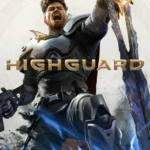
The gaming world was abuzz when “Highguard” was first announced as a promising new title from Studio Wildlight. Positioned as an ambitious multiplayer game with a unique blend of strategy and action, it launched in January 2026. However, just over 30 days later, the servers have gone offline, and Highguard has officially shut its doors, leaving a swirl of unanswered questions and disappointed players in its wake.
What went wrong—and what lessons can the gaming industry take from this dramatic collapse of a seemingly high-potential project?

From Ambition to Shutdown: The Short Life of Highguard
When Highguard launched, expectations were high. The game was marketed as a fresh take on the multiplayer genre, with bold promises of innovative mechanics and deep strategic gameplay. Studio Wildlight, a relatively new developer, had touted the game as a passion project designed to disrupt traditional multiplayer formats. However, the reality failed to live up to the promise.
According to a report from TechPowerUp, Highguard faced mounting challenges from the outset. Many players criticized the game for its lack of polish, limited content, and frustrating technical glitches. “It felt like we paid for a beta test rather than a complete game,” one early adopter was quoted as saying in the TechPowerUp article.
Perhaps most damaging, industry insiders believe that key investor Tencent pulled their financial backing shortly after the game’s launch. With reduced funding compounded by a disappointing critical reception, Studio Wildlight seemed ill-equipped to deal with the issues that plagued the game from day one.
Poor Player Retention Led to Financial Instability
Statistics on player engagement further showcase the challenges. Peak player numbers during Highguard’s launch weekend were reportedly promising, but those figures dropped sharply just days later. Analysts have pointed to several issues that led to low player retention:
- Content Deficiencies: At launch, the game lacked sufficient maps, modes, and progression systems to keep players engaged long-term.
- Technical Challenges: Widespread reports of server instability and bugs alienated a portion of the community.
- High Competition: Highguard entered a saturated market dominated by established multiplayer titles such as Call of Duty Warzone, Apex Legends, and Fortnite.
For a game like Highguard, building and maintaining a critical mass of active players is essential to long-term survival. “The multiplayer market rewards strong community engagement,” explains one gaming industry analyst. “If early adopters don’t stick around, it’s nearly impossible to recover momentum.”

Did Highguard Suffer from Unrealistic Expectations?
Highguard is far from the first game to crumble under the weight of its own ambition. The downfall of highly anticipated titles that fail to deliver on day one is a recurring narrative in the gaming industry. Some experts suggest that Highguard may have been the victim of over-promising during development and marketing.
Prior to its release, promotional material emphasized cutting-edge mechanics and an unparalleled multiplayer experience. However, after launch, many users reported that these features felt underbaked. “They set the bar incredibly high for themselves, especially as a new studio,” remarked a tech journalist from TechPowerUp. “Once it became clear these promises wouldn’t be met, the backlash was immediate and unforgiving.”
Studio Wildlight’s inexperience also likely played a role. The transition from development to live-service management inherently challenges studios, but emergent studios with fewer resources often lack the infrastructure needed to address player concerns swiftly and effectively post-launch. Combined with a heavy reliance on external investors like Tencent, Highguard’s financial and operational ecosystem proved unsustainable.
Lessons for Developers: The Perils of Modern Game Launches
The high-profile failure of Highguard serves as a cautionary tale for game developers, especially those operating in the increasingly competitive multiplayer space. Several key lessons have emerged:
- Launch Polish Is Critical: Players in today’s gaming landscape expect near-flawless performance and engaging, comprehensive content right out of the gate.
- Community Building Takes Time: Strong player retention is built on fostering positive engagement, consistent communication, and community-driven updates. Without these elements, even promising games can falter.
- Financial Stability Matters: Dependence on external investors creates vulnerabilities. When a key investor pulls out, whole projects can end prematurely.
Market observers have also suggested that developers look to studios that have successfully navigated the challenges of live-service games. Games like Apex Legends and Destiny 2 offer case studies in how to evolve titles through steady updates and community-informed changes. Meanwhile, Highguard’s trajectory underscores what can go wrong when expectations and preparedness don’t align.

What’s Next: Industry Tides and Potential for Recovery
For Studio Wildlight, the shutdown of Highguard undoubtedly marks a significant setback, but it may not be the end of the road. Some fans are optimistic that lessons learned from this experience could push the studio to refine their processes and eventually come back stronger.
Meanwhile, the gaming industry as a whole continues to grow, despite significant risks for developers. The sheer scale of competition is creating increasingly high stakes, with even AAA games sometimes facing the backlash of unmet expectations. This industry shift—and the stark rise in production costs over recent years—means that studios must plan launches carefully to ensure both creative and financial success.
For gamers, the shutdown of Highguard highlights an important reality: player expectations hold greater power than ever before. Developers who fail to deliver on promises or address core issues promptly may quickly find themselves facing the same fate that Highguard has experienced.
Conclusion
The closure of Highguard offers much for both developers and gamers to reflect upon. As entertainment becomes increasingly interactive and online-driven, the fragile balance between hype, funding, and delivery has never been more evident. Moving forward, it will be fascinating to see which lessons the gaming industry takes to heart—and whether new entrants like Studio Wildlight can grow from challenging initial outings or become cautionary footnotes in gaming history.