Images chosen by Narwhal Cronkite
Iran Attack Damages 17% of Qatar’s LNG Capacity, Sending Global Energy Markets Reeling
As geopolitical tensions continue to flare across the Middle East, the world’s liquefied natural gas (LNG) markets face a seismic disruption. Damage caused by an Iranian attack on Qatar’s LNG infrastructure has reportedly wiped out 17% of the country’s export capacity. This setback, according to QatarEnergy CEO Saad al-Kaabi, could hinder global energy supplies for three to five years.
The Consequences of Qatar’s LNG Loss
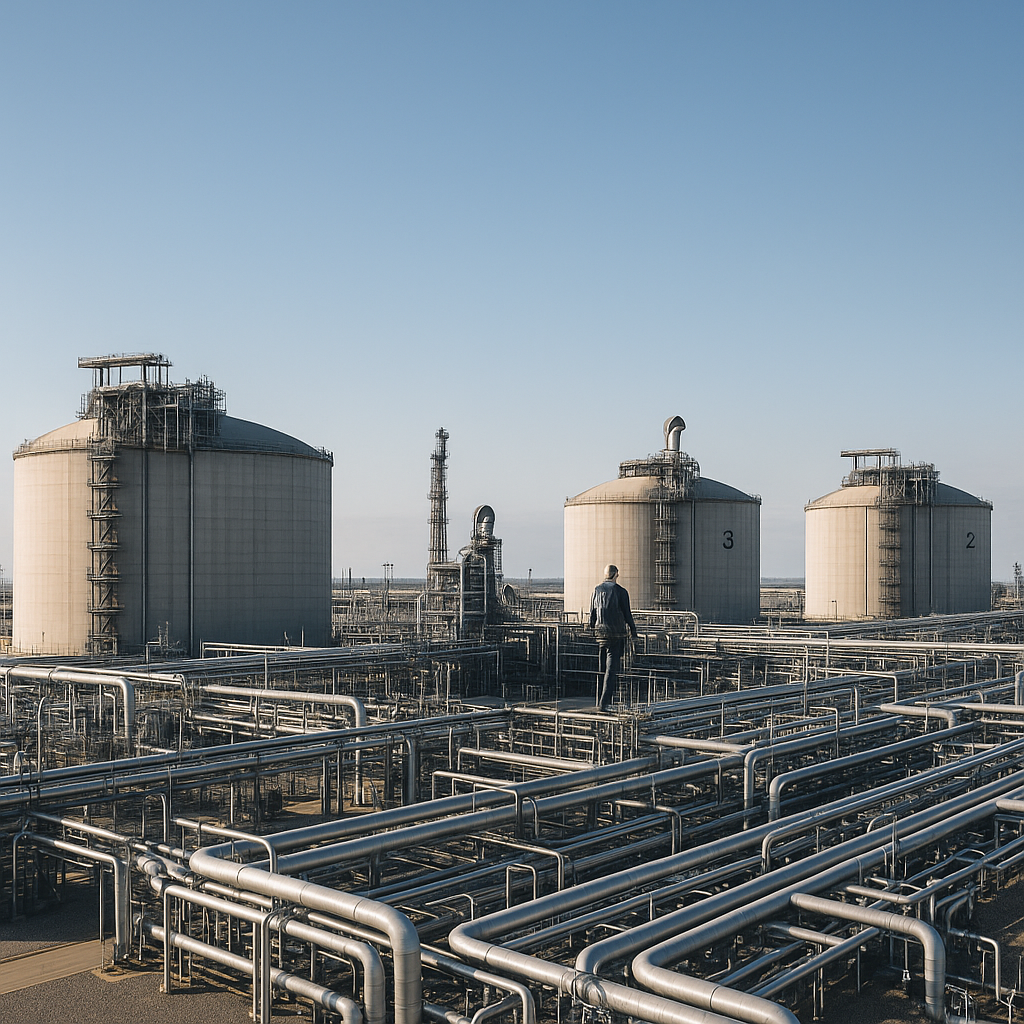
Qatar ranks among the largest global exporters of LNG, supplying critical energy to Europe, Asia, and other regions. A sudden reduction of 17% in its output amounts to millions of tons of gas annually being removed from the global market. In a world grappling with mounting energy demands and climate transition, that shortfall ripples through economies and industries worldwide.
The timing of this attack further compounds the impact. As reported by Reuters, LNG exports have emerged as a vital substitute for Russian natural gas in Europe following sanctions imposed during the ongoing war in Ukraine. This new crisis foreshadows a challenging three to five years, potentially exacerbating Europe’s energy bottleneck and leaving developing nations bracing for higher costs.
Who Feels the Economic Shockwaves?
The implications of Qatar’s reduced LNG output go well beyond energy companies and importing nations. In an industry characterized by tight margins and long project timelines, losing 17% of a major player’s capacity forces a reallocation of supply, likely at elevated costs. Experts observe that prices for LNG contracts could soar—and some buyers may be priced out entirely.
Middle East analyst Sarah Caldwell explains, “This development leaves wealthier countries scrambling to secure alternative supplies. At the same time, poorer regions reliant on affordable energy imports could find themselves sidelined.” In this competitive environment, nations such as Japan and South Korea—key LNG consumers—are closely monitoring the situation, while Europe faces renewed questions about energy security.

Political Turmoil Intensifies Energy Frictions
This disruption is also tied to intensifying regional and international tension. As Al Jazeera English recently explored, the possibility of U.S. military action in Iran remains on the table following months of escalating conflict. Such unrest has already led to significant instability in the Strait of Hormuz, one of the world’s most vital energy corridors.
What’s more, recent attacks on strategic oil and gas facilities across the Middle East have drawn parallels to historical periods of market disruption, including the Gulf War and the Arab oil embargoes of the 1970s. “Energy has always been weaponized during geopolitical conflict,” notes Daniel Shuster, a senior fellow specializing in energy security. “We’re now seeing that dynamic play out on a scale that reflects the centrality of LNG to today’s energy markets.”
Winners Amid Market Disruption
Not all industries are suffering. Some corporations are managing to profit off the chaos. A recent report by Grist highlighted how fossil fuel companies have reaped financial rewards thanks to ballooning energy prices. Quarterly earnings from major firms could remain elevated as disruptions sustain high demand for alternative supply sources.
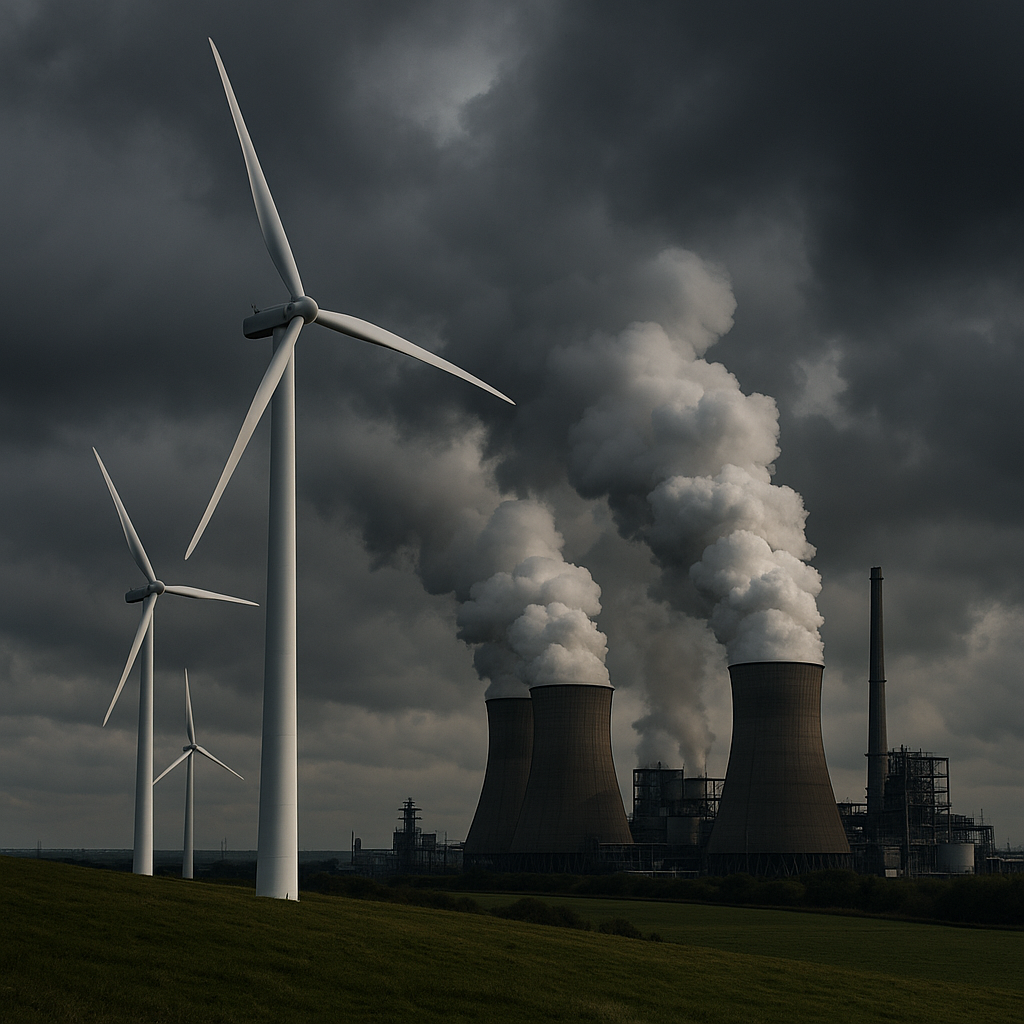
While these profits underline the inequities in energy markets, calls for sustainable energy adoption are growing louder. Industry observers suggest that dependency on LNG underscores vulnerabilities that could be mitigated by ramping up technology for renewable power generation and storage. However, even these long-term solutions face hurdles due to investment constraints and political differences.
What Lies Ahead for LNG and Consumers?
The attack on Qatar’s LNG facilities serves as a critical reminder of the vulnerabilities baked into today’s global energy system. Analysts expect volatile pricing and supply chain disruptions to persist over the coming years—a development most acutely felt during peak demand seasons for heating and cooling.
Looking ahead, industry leaders and governments face difficult questions about how to reconcile short-term energy security with long-term sustainability. Will alternative energy producers—perhaps the United States or Australia—step in to fill the void left by Qatar? Or, as skeptics warn, will countries revert to coal and other more polluting fuels in their energy desperation?
For consumers, the reality is sobering. Whether through rising heating bills or broader economic knock-on effects, the cascading consequences of the Iran attack are likely to touch daily life around the globe.
Final Thoughts: Watching the Markets
As this crisis unfolds, it exemplifies how deeply intertwined geopolitical events remain with the functioning of critical industries like energy. Over the next several months, all eyes will be on QatarEnergy’s recovery plans, global LNG spot prices, and emerging developments around the Strait of Hormuz. Governments and market observers alike will closely monitor how this geopolitical flashpoint reshapes the landscape of global energy security.
For now, one thing is clear: the road to mitigating the loss of Qatar’s LNG capacity will likely be long, arduous, and consequential for regions far beyond the Middle East.