Images chosen by Narwhal Cronkite
Iran Closes Strait of Hormuz Again as Israel Continues Worst Strikes on Lebanon
The Strait of Hormuz is once again at the center of global tension. With rising turbulence in the Middle East, exacerbated by Israel’s heaviest strikes on Lebanon in recent history, Iran’s decision to close the strategically vital waterway has sent shockwaves through international markets and diplomatic circles. The move underscores the region’s fragility and the ripple effects of escalating geopolitical conflicts on energy security, trade, and global economies.
Why the Strait of Hormuz Matters
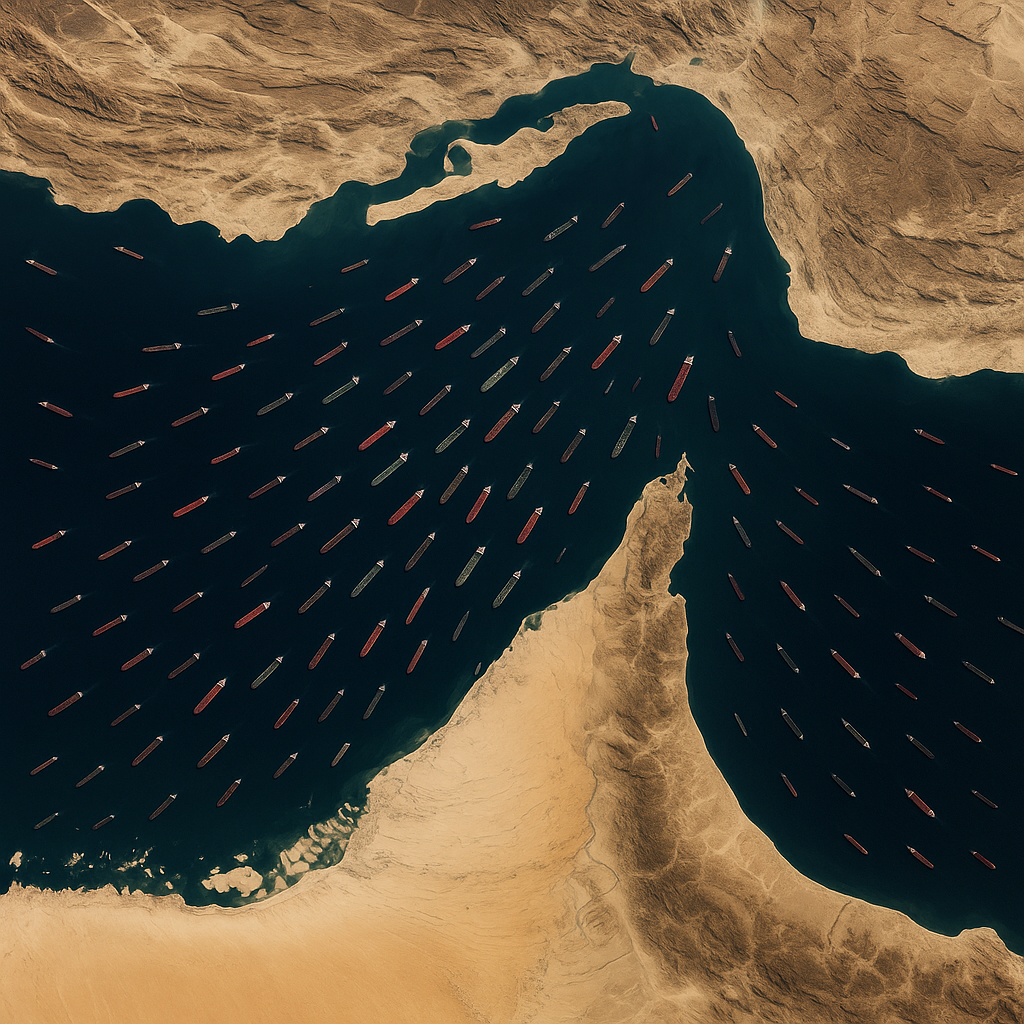
Connecting the Persian Gulf to the Gulf of Oman, the Strait of Hormuz is a critical maritime chokepoint through which nearly a fifth of the world’s oil supply flows. According to Al Jazeera, its significance extends far beyond oil. “The Strait of Hormuz is the single point of failure of globalized production,” warns Middle East expert Sarah Hamed. This narrow waterway, barely 21 nautical miles wide at its narrowest, is not just a transit route for fossil fuels but also for liquefied natural gas and other critical goods necessary for global industry.
Iran has frequently leveraged its control over the Strait as a geopolitical tool. By closing it this week, Tehran is signaling its intent to disrupt global oil flows in response to intensified regional hostilities. Energy markets reacted swiftly, with crude prices surging by 12% within hours of the announcement, the steepest one-day spike in nearly two years.
Regional Dynamics: Israel, Lebanon, and Iran’s Role
Iran’s move coincides with Israel’s ongoing military campaign in Lebanon, reportedly the most extensive in decades. The strikes, which Israeli officials claim are aimed at dismantling Hezbollah’s military infrastructure, have drawn widespread condemnation in the Arab world. While these developments appear unrelated on the surface, analysts say they are deeply interconnected.
“Iran views itself as the regional counterbalance to Israel,” explains Vali Nasr, author and Middle East scholar, in a recent interview with New York Magazine. With Israel escalating its offensive in Lebanon, a traditional Iranian ally, Tehran has likely chosen to flex its maritime muscles, signaling both support for Hezbollah and a warning shot aimed at Israel’s Western backers.
American foreign policy in the region is also under scrutiny. Critics argue that longstanding strategic errors, dating as far back as the Trump administration’s withdrawal from the Iran nuclear deal, laid the groundwork for today’s crises. “Washington underestimated Iran’s ability to adapt and assert influence,” Nasr added.
Global Ripple Effects
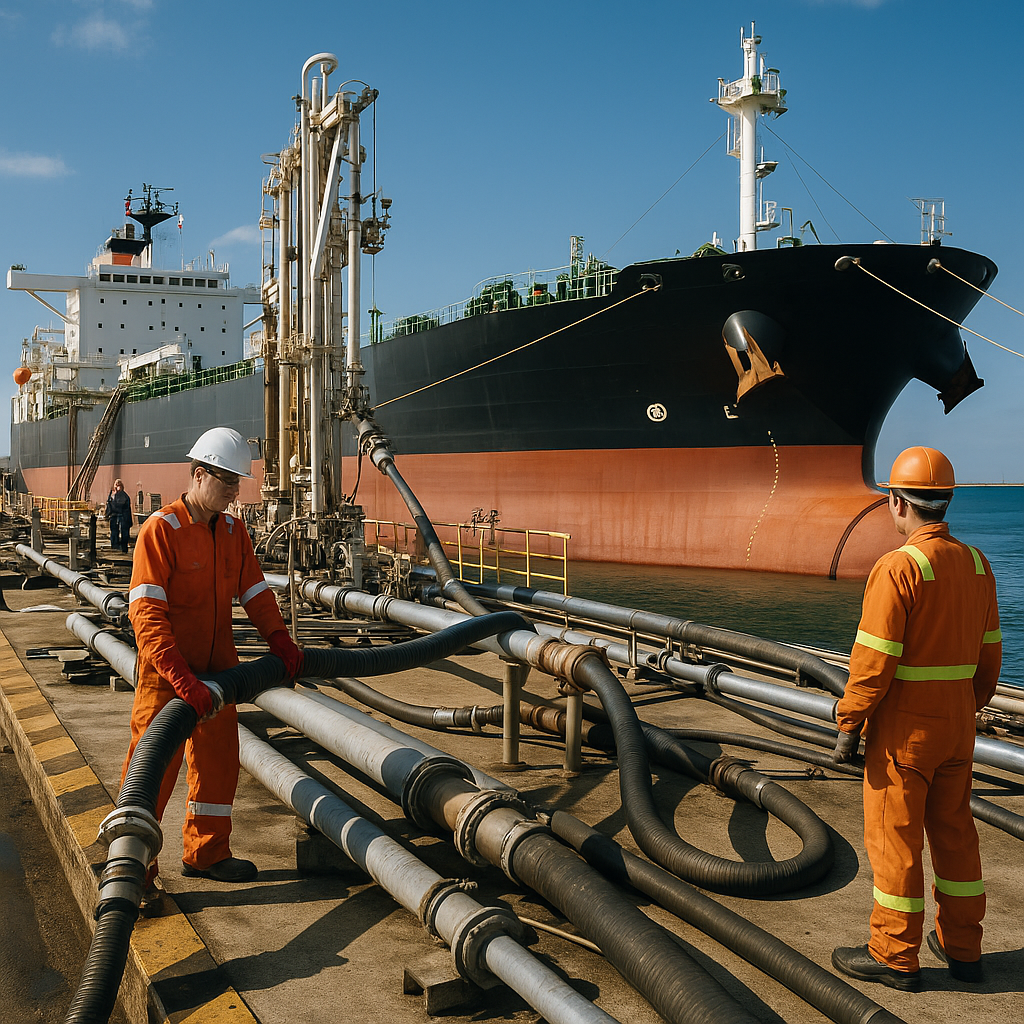
The closure of the Strait of Hormuz instantly complicates the already tenuous state of global commodity markets. For decades, international trade has relied on the free flow of goods through strategic chokepoints. Disruptions to any one of these nodes, let alone the most vital energy artery, pose grave risks to global supply chains and financial stability.
Oil-importing nations like China and India are particularly vulnerable. European countries, still grappling with energy shortages and high costs stemming from the Russia-Ukraine war, face renewed concerns about securing stable supplies. Ominously, some analysts warn that economic vulnerabilities could cascade into broader instability. “A prolonged closure could plunge some economies into recession, as energy prices feed inflation and undermine consumer spending,” notes Greg Munro, an energy economist based in London.
Meanwhile, oil-producing nations with established shipping alternatives, such as Saudi Arabia, stand to benefit short term as buyers diversify supply sources. However, the longer-term risks of destabilization across the region outweigh any short-lived gains.
Military Escalation: A Tipping Point?
The convergence of events in Lebanon and the Strait has raised fears of a broader military conflict in the Middle East, potentially drawing in the United States and its allies. U.S. naval forces have long maintained a presence in the Persian Gulf to deter Iranian aggression and protect shipping lanes. With Iran’s latest actions now putting that mission to the test, there is mounting speculation over how Washington will respond.
Iran, for its part, maintains that its actions are defensive and justified under international law. “This is about sovereignty and deterrence,” stated an Iranian foreign ministry spokesman during a televised briefing. Yet many global powers, including the EU, have urged restraint and called for immediate negotiations to defuse tensions.

What’s Next: Uncertainty Reigns
The Strait of Hormuz closure and Israel’s actions in Lebanon represent two flashpoints in a region already marked by decades of volatility. Currently, all eyes are on diplomatic channels to gauge whether cooler heads will prevail or whether the situation spirals into an outright regional war. Factors to watch in the coming weeks include:
- Energy Prices: Will crude oil prices stabilize or spike further?
- Diplomacy: Are there new peace initiatives, especially from neutral intermediaries like Oman or Qatar?
- U.S. Involvement: How will the United States balance its desire to avoid another Middle Eastern quagmire against its need to protect shipping freedom in international waters?
For now, the situation remains fluid, and the world holds its collective breath as one of the most strategically critical regions teeters on the brink of escalation. As the intersecting crises evolve, governments, companies, and citizens must brace for the uncertainty ahead.