Images chosen by Narwhal Cronkite
Iran Cuts Diplomatic Ties with the United States Amid Strait of Hormuz Tensions
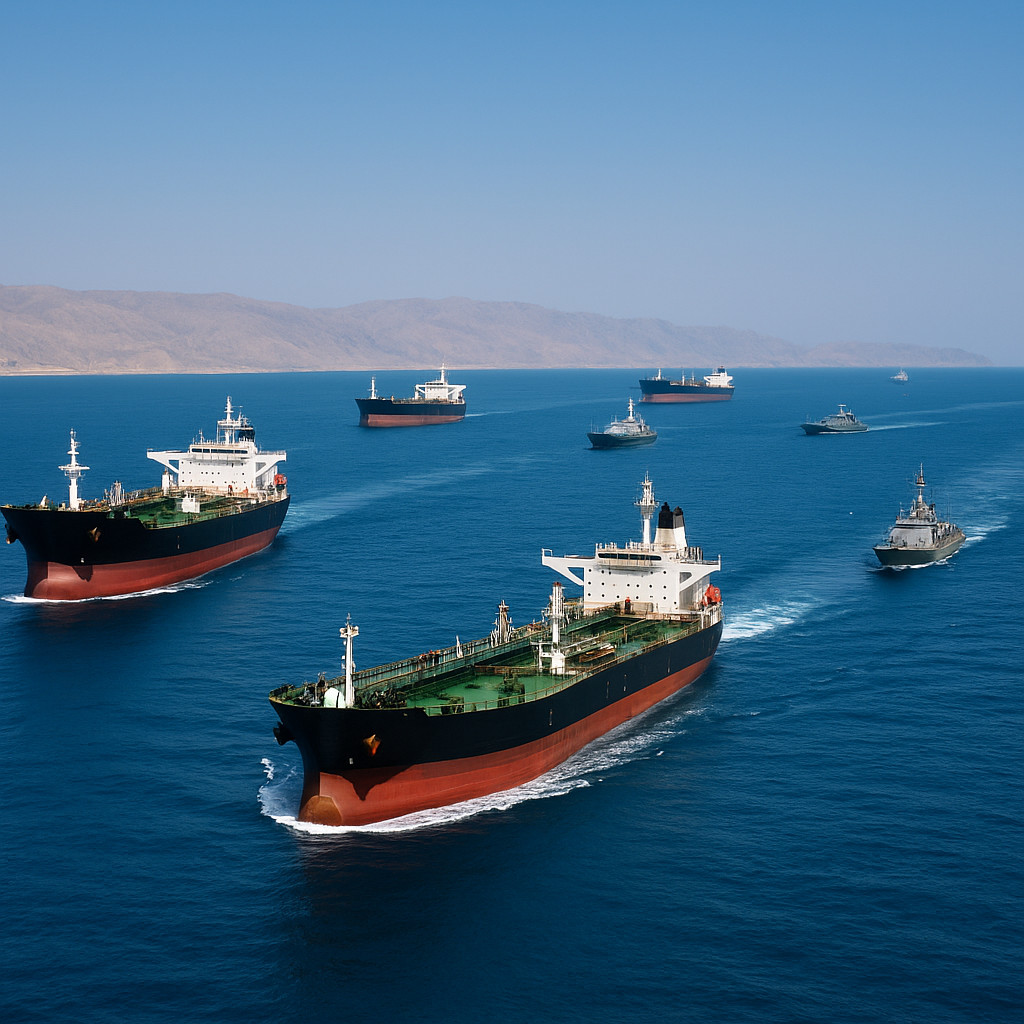
The world’s attention has once again turned to the volatile Persian Gulf as Iran takes the bold step of severing all diplomatic and indirect communications with the United States. This unprecedented decision comes mere hours before former President Donald Trump’s self-imposed deadline for reopening the strategically vital Strait of Hormuz—a critical chokepoint that sees nearly 20% of global oil shipments pass through its waters annually.
With tensions running high, and warnings from Iran’s Islamic Revolutionary Guard Corps (IRGC) signaling long-term disruption of energy exports, experts fear a devastating ripple effect across global markets, geopolitics, and regional stability. Could this mark an inflection point that reshapes the world’s energy landscape and Middle East geopolitics?
The Immediate Fallout: A Region on Edge
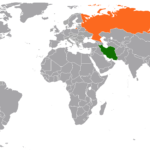
According to Iranian media outlet Tehran Times, Iran’s decision to cut all diplomatic and indirect communication channels with the U.S. comes against a backdrop of escalating military strikes and fiery rhetoric. The closure of these lines effectively eliminates a key mechanism for de-escalation, leaving the world to watch an increasingly volatile situation unfold in real time.
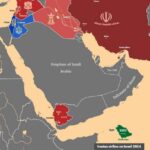
This diplomatic freeze coincides with confirmed U.S. and Israeli airstrikes on Iran’s Kharg Island, a major oil-export terminal. As reported by state-linked Mehr News Agency, these strikes targeted vital oil installations, further fueling Tehran’s anger. In response, the IRGC issued a stark warning to Gulf nations, stating, “Good neighborliness and self-restraint have ended.” The statement suggested that oil and gas exports from the region could be disrupted for years, threatening not just local but global energy supply chains.
Industry analysts are already sounding alarms about energy market volatility, with the Boston Herald noting that the conflict serves as a grim reminder of the fragility of fossil fuel geopolitics. Brent crude oil prices have fluctuated wildly in recent weeks, with CNA reporting a record monthly rise in March followed by erratic drops in April due to uncertainty surrounding the conflict.

Trump’s Deadline and Its Implications
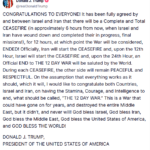
Former President Donald Trump’s rhetoric has often been provocative, but his recent posts on Truth Social have ratcheted the tension to a new level. In his latest message, he warned of a potential doomsday scenario, ominously stating, “A whole civilization will die tonight, never to be brought back again.” While some viewed the statement as hyperbolic posturing, others saw it as an alarming escalation that could lead to catastrophic consequences.
Trump’s self-imposed deadline reportedly aimed to pressure Iran into reopening the Strait of Hormuz, a lifeline for global energy shipments. However, Iran’s counter-move to suspend all communication signals its intent to play hardball. Industry observers believe that Tehran is betting on its unique leverage over global energy resources to counter U.S. military and economic might.
The stakes couldn’t be higher. A prolonged closure of the Strait of Hormuz would reverberate across industries, economies, and even households worldwide. According to Reuters, front-month Brent oil futures—a key benchmark—have already been throttled by the unpredictability of the situation, with prices spiking over 5% as tensions escalated.
The Geopolitical Domino Effect
The standoff in the Gulf has implications far beyond the U.S. and Iran. Regional players are now grappling with uncomfortable realities. As reported by Foreign Policy, Egyptian President Abdel Fattah el-Sisi is bracing for political fallout as Middle Eastern nations are forced to navigate turbulent waters.
Meanwhile, Gulf nations like Saudi Arabia and the UAE, heavily reliant on the free flow of oil, are caught in a precarious balancing act. Should the conflict escalate, their critical oil export infrastructure could become targets. Additionally, global powers like China and India, both major importers of Middle Eastern oil, are monitoring the situation closely.
“This is a case study in the vulnerabilities inherent in the global energy system,” says Dr. Amal Rafiq, a geopolitical energy analyst based in London. “While all eyes are on the Strait of Hormuz, the secondary and tertiary impacts of a protracted crisis—ranging from inflation to energy supply shortages—could be even more damaging.”
A Renewable Energy Argument?
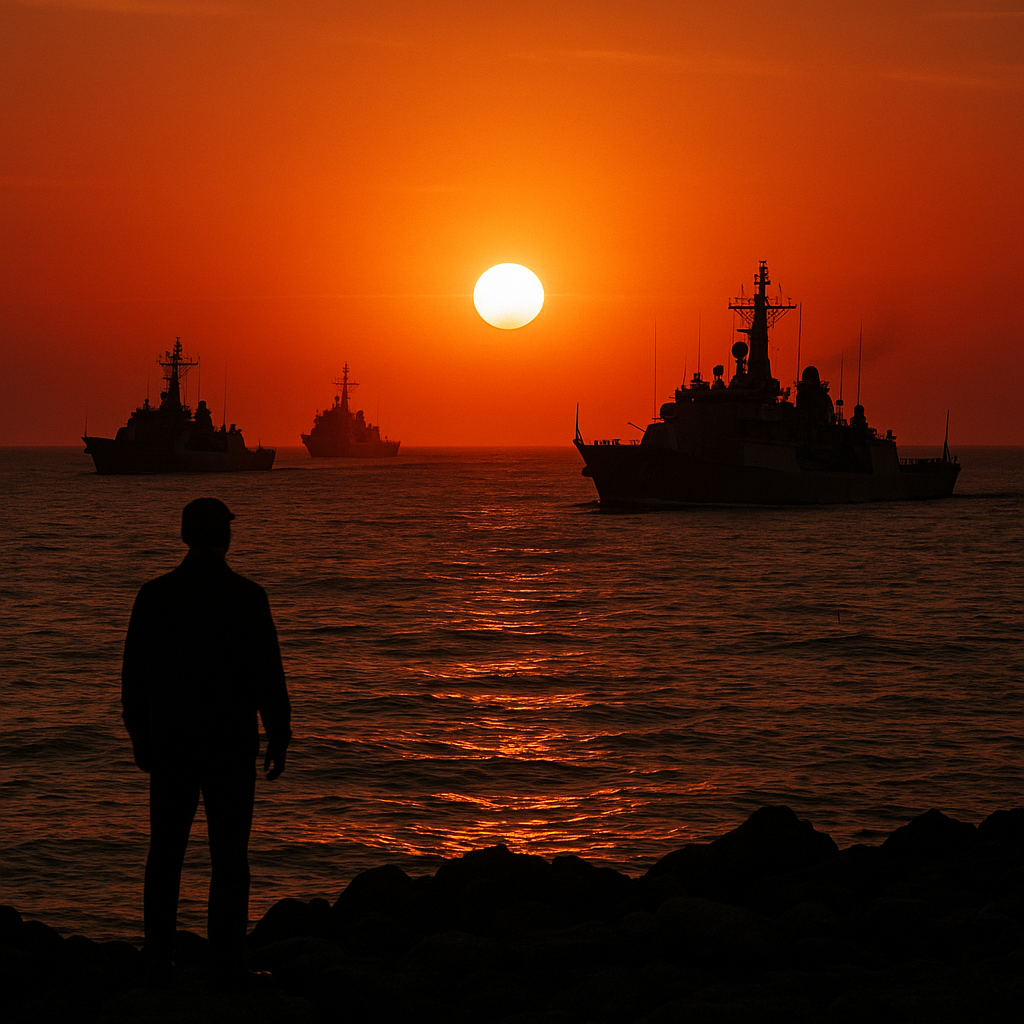
As the crisis unfolds, discussions about global energy security are once again surfacing. The Boston Herald has pointed out that the conflict adds a compelling dimension to the argument for transitioning to renewable energy sources. While the immediate focus remains on oil and gas logistics, longer-term visionaries see the Strait of Hormuz crisis as another catalyst for embracing cleaner, more sustainable energy solutions.
“Every time there’s a shock to the oil market, it’s a stark reminder of our dependence on a finite and geopolitically fraught resource,” says Rajesh Malhotra, a clean energy consultant. “If nations do not accelerate their shift to renewables, we’ll continue to see these cycles of instability impacting not just energy prices but global economic security.”
However, skeptics argue that renewable energy infrastructure has its own hurdles, from manufacturing dependencies to storage capabilities. The immediate challenge remains navigating the present conflict without spiraling into a global economic crisis.
What Lies Ahead?
The Strait of Hormuz crisis has already emerged as one of the most significant geopolitical flashpoints of this decade. With diplomatic avenues closed between Tehran and Washington, the potential for miscalculation looms ominously. Defense analysts caution that even minor skirmishes could quickly escalate into full-scale conflict, with devastating consequences for regional stability and global markets.
For now, the world waits and watches. The international community has yet to mediate effectively, and hopes of rebuilding communication seem dim in the face of rising hostilities. Analysts suggest that countries reliant on Gulf energy supplies should begin exploring contingency plans and alternative energy partners.
As the clock ticks past Trump’s deadline, the global community faces urgent questions: How can the crisis be de-escalated? What role will multilateral organizations play in restoring stability? And most crucially, what lessons must be learned to safeguard the world from being held hostage by such volatile geopolitical flashpoints in the future?
Conclusion
Iran’s bold move to sever diplomatic ties with the United States is a wake-up call for a world that often underestimates the interconnectedness of energy, geopolitics, and diplomacy. With military threats looming and global markets jittery, this crisis underscores the urgent need for not just short-term resolutions but long-term strategies to mitigate such high-stakes vulnerabilities. Whether through diplomatic breakthroughs, economic adaptation, or a transformative shift toward renewable energy, the choices made today will shape the energy landscape of tomorrow.