Images chosen by Narwhal Cronkite
Iran Denies Claims: ‘We Reject All Negotiations – US Has Failed and Hormuz Will Remain Closed’
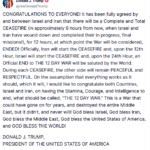
In a dramatic turn of events, Iran has categorically denied claims of any recent progress in U.S.-Iran negotiations regarding the ongoing tensions in the Gulf region, including the highly strategic Strait of Hormuz. The rejection came amid reports from U.S. President Donald Trump, who suggested that constructive conversations were underway. Iran’s firm response not only underscores the lingering animosity between the two nations, but also raises concerns about the wider implications for global energy security and geopolitical stability.
Deciphering Iran’s Stance: A Calculated Position
Iran’s outright dismissal of negotiation claims reflects a calculated strategy rooted in its broader geopolitical goals. Speaking through the Iranian media outlet Sabereen News, the Ministry of Foreign Affairs issued a statement reaffirming that “Iran maintains its position rejecting any type of negotiation before achieving its war objectives.” This uncompromising stance signals that Tehran remains focused on maintaining its leverage while rejecting overtures it perceives as strategically or diplomatically weak.
Observers point out that this is far from a unilateral shift. Ibrahim Rezaei, a spokesman for Iran’s National Security and Foreign Policy Committee, reiterated these sentiments, bluntly describing the situation as “another defeat for Satan,” a phrase commonly used by Iranian officials to refer to the U.S. government. Rezaei added, “Trump and the U.S. have failed again,” emphasizing Iran’s belief that its resistance policies are yielding tangible results.
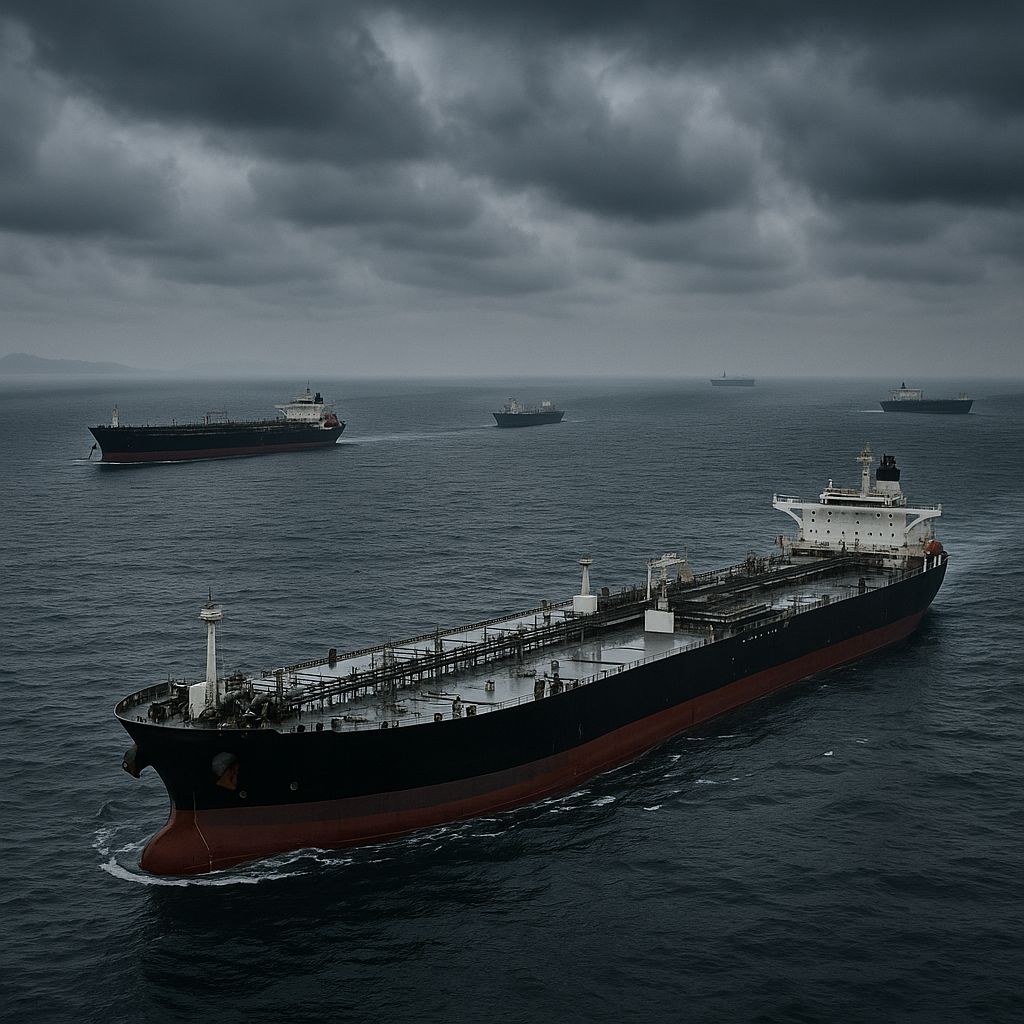
As tensions loom over the Strait of Hormuz, the world’s most critical waterway for global oil shipments, Iran’s actions have far-reaching consequences. The strait accounts for nearly 20% of the global oil trade. A prolonged closure would ripple through energy markets, raising questions about whether alternative supply chains can sufficiently mitigate potential disruptions.
A Recurring Standoff with a Global Impact
This latest development is not an isolated event but part of a larger narrative of recurring tensions. The U.S. and its allies have long accused Iran of leveraging control of the Strait of Hormuz to exert disproportionate influence over global trade. Previous incidents involving the seizure of oil tankers by Iranian forces and provocative naval drills underscore the high-stakes nature of this geopolitical chess game. In response, Western powers have consistently sought to engineer diplomatic or military strategies to ensure freedom of navigation in one of the most contested waterways on the planet.
The Iranian Foreign Ministry’s statement rejecting negotiations reflects a deeper schism between Tehran’s ambitions and Washington’s strategic objectives. Analysts suggest that by upholding such a hardline approach, Iran seeks to bolster its image domestically as a resilient power unwilling to capitulate under economic sanctions and international pressure.
Assessing Trump’s Position: Perspectives from Both Ends
This development also raises questions about the strategic rationale behind President Trump’s statement regarding “productive conversations.” The apparent discrepancy between the two sides highlights the challenges of interpreting diplomatic progress in such a volatile climate. Some experts believe the statement may have been aimed at creating an impression of progress, particularly in view of upcoming elections and foreign policy optics.
“This is a classic example of two adversarial powers engaging in messaging wars,” said Dr. Elise Morgan, a Middle East policy scholar. “Trump seeks to demonstrate diplomatic effectiveness, but Iran’s outright rejection shows they are in no mood to validate the narrative coming out of Washington. Both domestic and international audiences are the target here.”
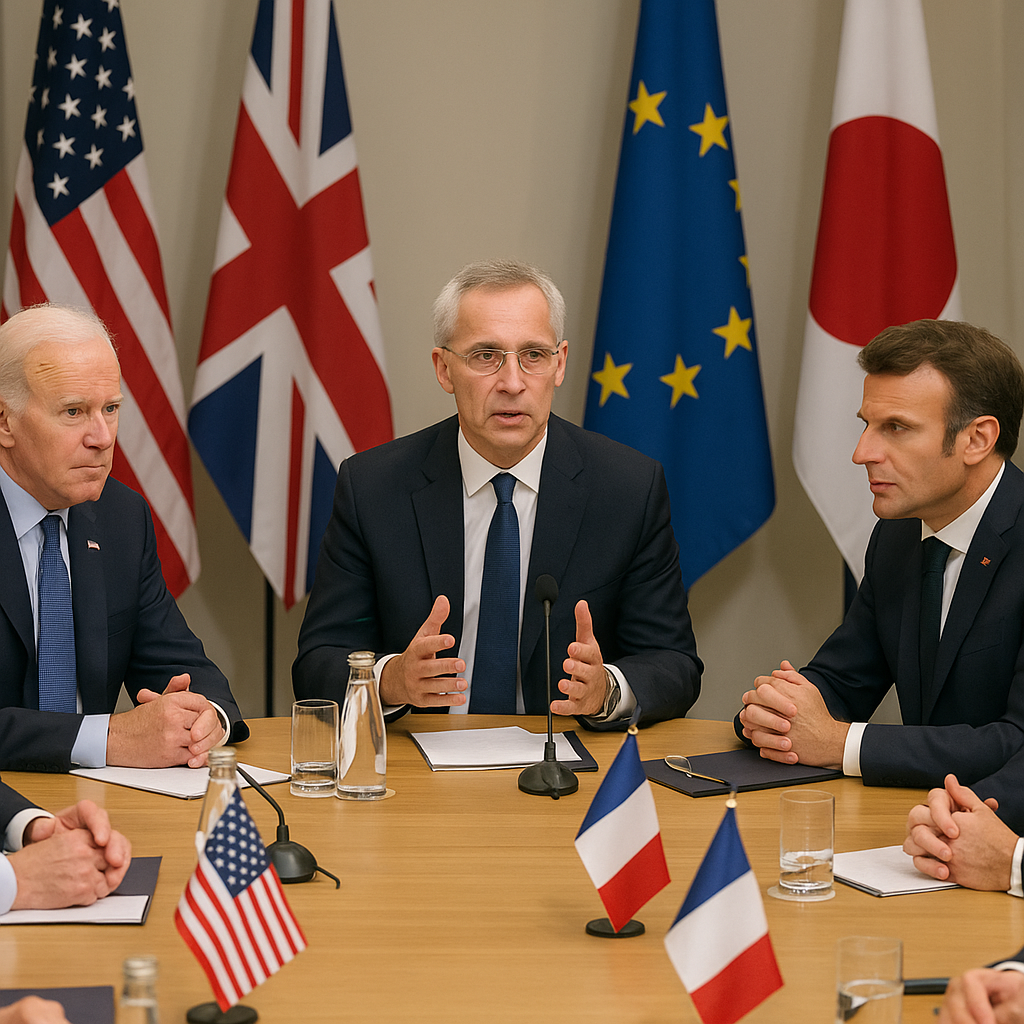
Others argue that the mixed signals risks undermining U.S. credibility in rallying its allies for a united front against Tehran. If claims of progress are repeatedly invalidated, global stakeholders may find themselves navigating an increasingly fragmented diplomatic landscape.
What’s at Stake: Energy and Security Implications
The Strait of Hormuz, at the center of these developments, remains a critical chokepoint for the global energy market. About a fifth of the world’s oil supply passes through this narrow waterway connecting the Arabian Gulf to open waters. Iran’s decision to reinforce its blockade threatens to destabilize global markets and poses difficult questions for oil-dependent countries.
Energy analysts have increasingly expressed concerns that tensions in the region could be a major disruptor. “While nations can tap into their strategic petroleum reserves in the short-term, the global economy is neither prepared for sustained supply chain interruptions nor a significant price surge,” noted Peter Chang, an energy market researcher. He emphasized the importance of diplomatic solutions to avoid triggering global financial uncertainty.
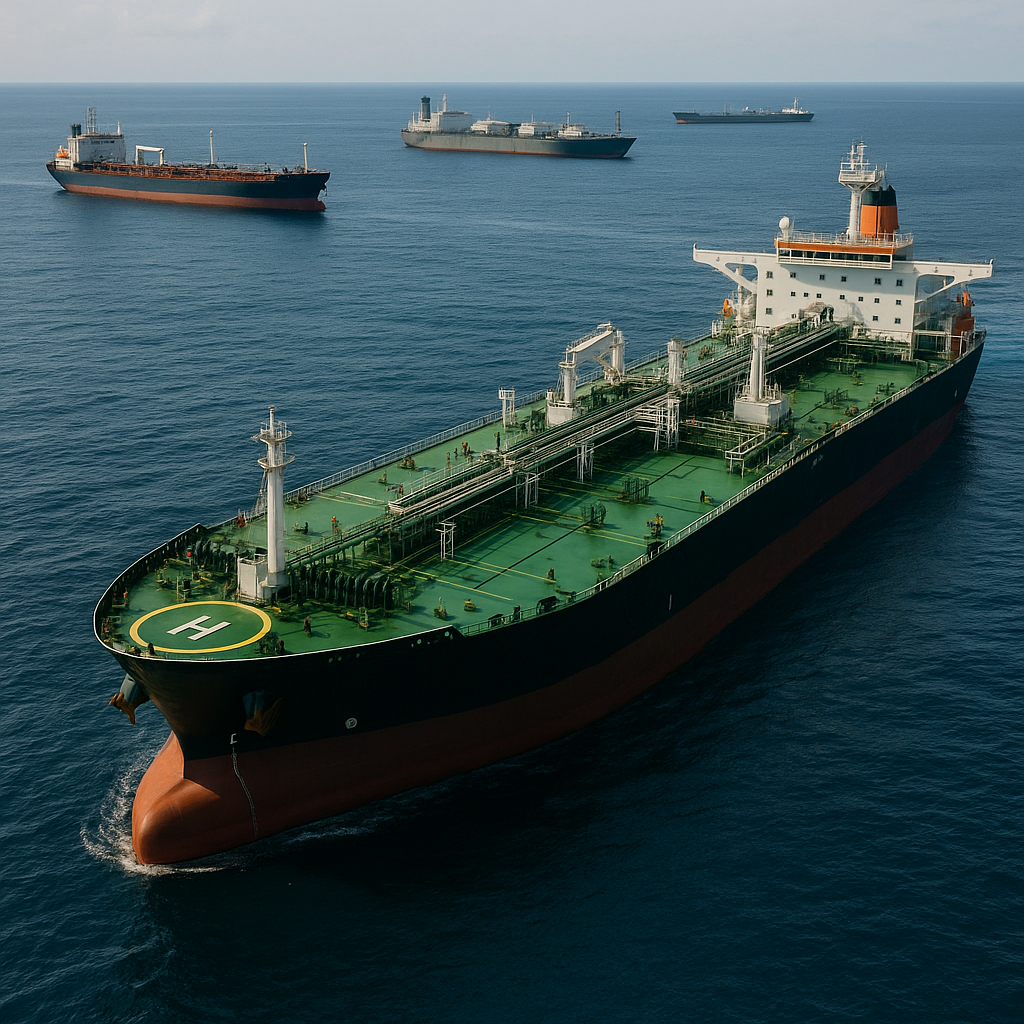
In addition to economic repercussions, the impasse raises pressing concerns about maritime security. Past incidents of shadowy naval engagements and the capture of tankers reveal the inherent risks for vessels traversing the region. Several nations, including the U.S., have previously proposed creating military alliances to protect international shipping interests, but the feasibility of such approaches continues to be debated.
Looking Ahead: Preparing for the Unpredictable
With the situation showing no signs of abating, all eyes are now on key stakeholders to navigate this precarious standoff. Will back-channel diplomacy deliver breakthroughs, or will escalation cement the closure of the Strait? In the coming weeks, international observers will be closely monitoring oil price trends, maritime incidents, and emerging power dynamics within the Gulf region.
Both the U.S. and Iran have much to gain—but also much to lose—in how they steer this geopolitical conflict. For Washington, maintaining confidence among its allies is essential. For Tehran, demonstrating control over strategic choke points reinforces its position on a broader global stage. Until a resolution is found, the global community will need to brace itself for sharp market fluctuations and heightened tensions in the heart of the Middle East.
The Bottom Line
Iran’s firm rejection of U.S. negotiation claims underlines the enduring complexities of Gulf-region geopolitics. Whether through diplomatic channels or intensifying economic sanctions, resolving the tension around the Strait of Hormuz is nothing short of critical for global stability. As the standoff unfolds, the world watches with bated breath for signs of de-escalation—or further provocation.