Images chosen by Narwhal Cronkite
Iran Denies Talks with Trump, Claims U.S. ‘Retreated’
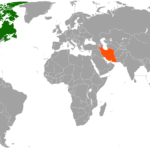
Amid escalating tensions in the Middle East, Iranian officials are rejecting claims of dialogue with former U.S. President Donald Trump, alleging instead that Washington has backtracked on its aggressive stance. The controversy arises from Trump’s recent announcement touting “productive conversations” with Iran — a characterization Tehran dismissed as misleading and strategic posturing. This latest development sheds light on the fragile state of geopolitics in the region and signals a deepening of regional rivalries.
The Clash of Narratives
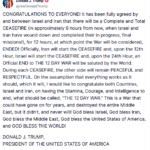
On Monday, Trump announced that his administration had engaged in promising talks with Iran. This claim was swiftly denied by Tehran, with a senior Iranian official telling the semi-official Fars News Agency, “There is no direct or indirect contact with Trump. He retreated after hearing that our targets would be all power plants in West Asia.” The statement suggests that Trump’s alleged hesitation to escalate military action could stem from Iran’s threats to target regional energy infrastructure in retaliation to any U.S. aggression.
The Iranian Foreign Ministry reinforced this position, issuing a written statement claiming that Trump’s narrative was aimed at deflecting attention from his administration’s military ambitions. “Trump’s statements are within the framework of his efforts to reduce energy prices and gain time to implement his military plans,” the ministry stated. Iran also emphasized that any regional peace initiatives should squarely place responsibility for tensions on Washington. “We are not the party that started this war,” the statement added.

Geopolitical Chessboard: Energy and Weapons
Analysts argue that energy dynamics play a central role in the ongoing tensions. The Middle East supplies a significant portion of the world’s energy, and any disruption could have ripple effects across global markets. Trump’s claim of advancing talks may also be linked to a strategic objective — stabilizing energy prices as uncertainty looms over oil supplies in the region. “Reducing energy prices is as much a domestic political necessity as it is a global imperative,” notes Robert Andersen, a foreign policy analyst based in Washington D.C.
At the same time, military posturing continues to escalate on both sides. Iran’s threats to regional power plants signal an effort to raise the stakes, making it clear that any U.S. military strike would be met with severe consequences. This brinkmanship underscores the precarious balance that Washington and Tehran are attempting to maintain to avoid a large-scale conflict.
The Regional Dimension
The fallout from this diplomatic standoff is not confined to Washington and Tehran. Regional actors, including countries like Saudi Arabia, Turkey, and the United Arab Emirates, are deeply implicated in the evolving situation. While some of these nations have acted as intermediaries to ease tensions, Tehran has made it clear that future peace-making efforts must hold the U.S. accountable for its actions. “Yes, there are initiatives from regional countries to reduce tensions, and our response to all of them is clear… all these requests must be referred to Washington,” an Iranian official stated.
Where this regional dynamic goes next depends on whether the U.S. chooses to maintain its pressure on Iran through sanctions and threats or takes steps toward genuine dialogue. The latter approach, however, seems increasingly unlikely, as the rhetoric from both sides intensifies.
Past and Present: Comparing Escalations
This latest episode adds to the long history of U.S.-Iran tensions, particularly in the post-1979 era following the Iranian Revolution. The events of recent years, including escalating sanctions during the Trump presidency and targeted attacks on Iranian interests, reflect a cycle of provocations that have deepened mistrust between the two nations.
Observers have also compared the current standoff to earlier episodes of high tension, such as the targeted killing of Iranian General Qassem Soleimani by U.S. forces in January 2020. “The Soleimani assassination marked a turning point where Iran felt it had little choice but to toughen its foreign policy stance,” says Layla Sharif, a researcher at the Middle East Policy Institute. “This latest crisis seems to fit within the same broader context — a game of cat and mouse where miscalculation could be disastrous.”
What’s Next?
The immediate future of U.S.-Iran relations remains precarious. Analysts warn that while neither side appears interested in full-scale war, the region could see further incidents of military posturing and reactive threats. On the economic front, global energy markets are already uneasy, with Brent crude oil prices climbing 3% following the latest developments.
Regional cooperation may hold the key to averting a larger conflict, but Tehran’s insistence on placing blame squarely on Washington complicates this route. Furthermore, domestic political considerations in the U.S. could render diplomatic flexibility more challenging for the Trump administration, which faces mounting pressure from both allies and adversaries.
Ultimately, the world will be watching key developments in the weeks to come, including direct statements from Washington, Tehran, and other pivotal players. With the stakes this high, missteps by any party could have far-reaching implications for global peace and stability.