Images chosen by Narwhal Cronkite
Iran Targets Oracle Data Center in UAE Amid Regional Tensions
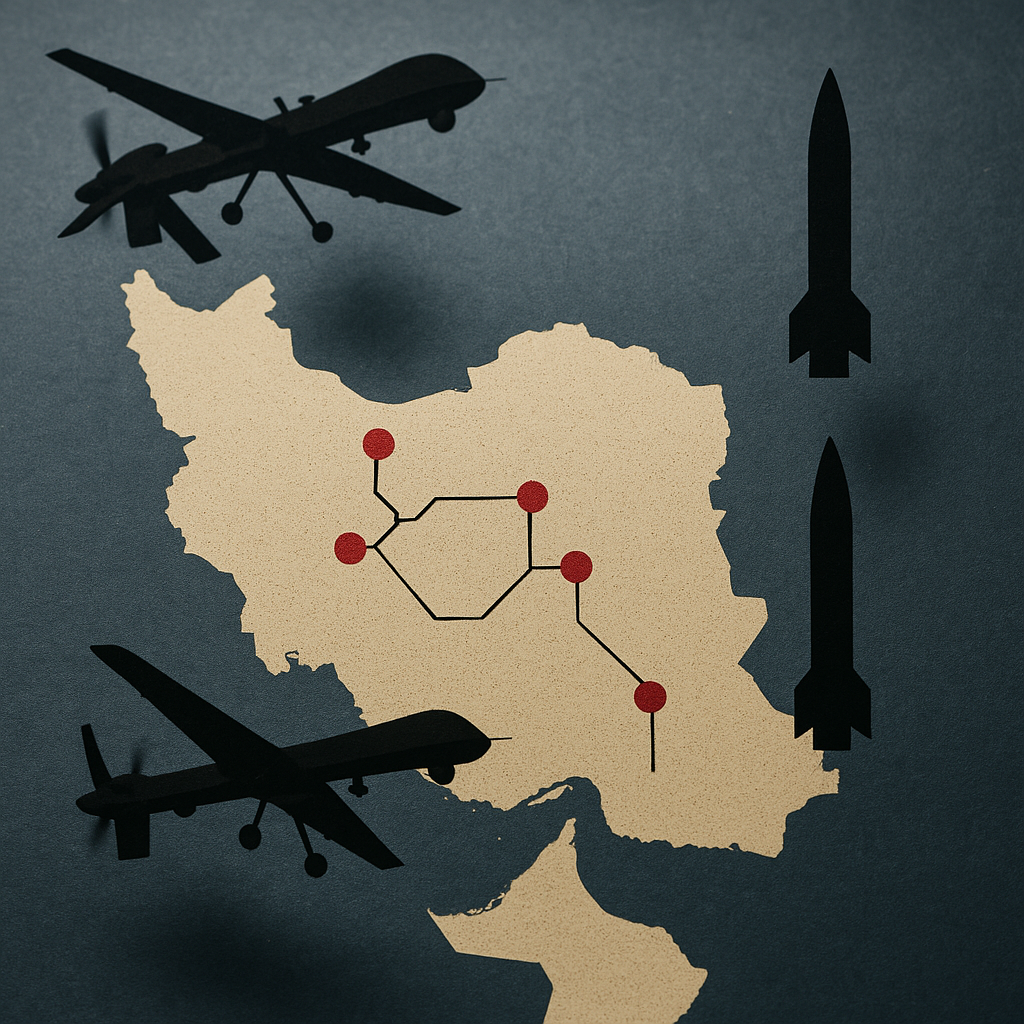
In a bold escalation of the ongoing Middle East conflict, Iran’s Islamic Revolutionary Guard Corps (IRGC) has claimed responsibility for targeting an Oracle data center in Dubai, United Arab Emirates, as reported by Iranian state media. The alleged attack is part of a larger campaign by Iran to strike American tech companies it accuses of aiding U.S. and Israeli military operations. As tensions mount, the ramifications for global tech infrastructure, regional security, and geopolitics are profound.

The Context Behind Iran’s Targets
The announcement comes two days after Iran explicitly threatened major American tech firms, including Oracle, Apple, Meta, and Microsoft, alleging their involvement in supporting adversarial military efforts. As per reports from CBS News, Iranian cyber and drone strikes have already disrupted operations of Amazon Web Services (AWS) in Bahrain, and Oracle’s close ties to the U.S. Department of Defense have added fuel to the fire. Oracle’s founder Larry Ellison’s connections to Israel’s government have likely further intensified its position on Iran’s hit list.
The United Arab Emirates’ Ministry of Interior reported engaging five ballistic missiles and 35 drones from Iran on April 1, followed by 19 ballistic missiles and 26 drones the next day. Despite Iran’s assertions, Emirati forces have not confirmed direct hits on critical infrastructure in Dubai. As reported by Bellingcat, the UAE has been accused of “downplaying damage” and mischaracterizing successful strikes. The broader regional setting remains precarious as strikes from multiple parties continue to inflict casualties and economic disruption.
The Escalating Clash Between Iran and U.S.-Linked Tech Firms
Iran’s strategic focus on targeting tech infrastructure highlights the growing intersection between technology and warfare. Oracle’s cloud and AI partnerships with the Department of Defense underscore the dual-use nature of such facilities, which serve both commercial and military purposes. This dual role makes these facilities prime targets in conflicts that now extend beyond traditional battlefields.
Last month, Iran reportedly struck an Amazon facility in Bahrain, leading to disruptions in AWS operations. Bahrain’s Ministry of Interior confirmed damage to a facility due to Iranian aggression, though both Amazon and Iranian forces refrained from issuing detailed statements. According to Al Jazeera, this marks the second AWS disruption in Bahrain in a month, emphasizing Iran’s sustained commitment to crippling perceived threats.

The Broader Geopolitical Fallout
The implications of these strikes extend far beyond the immediate damage. Regional tech hubs such as Dubai and Bahrain, previously seen as secure anchors for global technology firms, now face heightened risks. This could lead to increased scrutiny from companies over where to establish their critical infrastructure moving forward.
For Iranian civilians, the conflict’s humanitarian toll is devastating. The Human Rights Activists News Agency has reported over 1,600 civilian deaths, including 244 children, in the last month alone. Lebanon and Israel, also heavily involved in the conflict, have seen similar civilian casualties. These numbers underscore the cost of war, which transcends economic or technological disruptions.
In the U.S., the rhetoric is escalating as well. In a televised address, former President Trump threatened Iran with severe retaliation, including vows to bomb the nation “back to the Stone Ages.” While Trump indicated that American strikes might cease within weeks due to ongoing negotiations, Iranian officials have categorically denied any such dialogue.
Economic and Cybersecurity Implications
For global companies, the fallout from these strikes against Oracle and Amazon serves as a stark warning. The conflict underscores the vulnerability of tech infrastructure situated in volatile regions, prompting companies to reconsider security protocols and geographic risk assessments. Cybersecurity experts caution that physical strikes could be accompanied by cyberattacks targeting servers and networks, further jeopardizing operations.
Industry analysts suggest that cloud providers might accelerate their efforts to distribute operations more widely across multiple regions to limit disruptions from concentrated attacks. Enhanced redundancy and partnerships with local governments for advanced security measures could also become a focus area for corporate strategy.
Beyond the immediate impact, long-term investor confidence in tech companies operating in the Middle East may waver. Affected stocks could face volatility as shareholders reassess exposure to geopolitical risks.
Next Steps: What to Watch
Looking ahead, several key developments will shape the trajectory of this conflict:
- Military Escalations: Will Iran continue targeting American-linked tech facilities, or shift focus to other perceived vulnerabilities?
- Diplomatic Channels: Despite rhetoric on both sides, the potential for peace negotiations remains a critical question. Observers will watch for back-channel diplomacy involving regional stakeholders.
- Tech Sector Adaptations: How will major companies like Oracle and Amazon react to these attacks? Will they shift operations or invest heavily in security upgrades?
- Independent Verification: Bellingcat and other investigative groups will likely play a pivotal role in uncovering the actual extent of damage incurred and assessing the accuracy of official narratives.
As the regional conflict evolves, the repercussions for technology, security, and geopolitics will remain far-reaching. Observers across industries and governments will need to monitor developments as tech firms increasingly find themselves caught in the crosshairs of global tensions.
For now, Iran’s targeting of Oracle’s UAE facilities serves as another reminder of the intricate and often dangerous ties between technology and international conflict.