Images chosen by Narwhal Cronkite
Iranian Missile Blitz Disrupts AWS Operations in Bahrain and Dubai
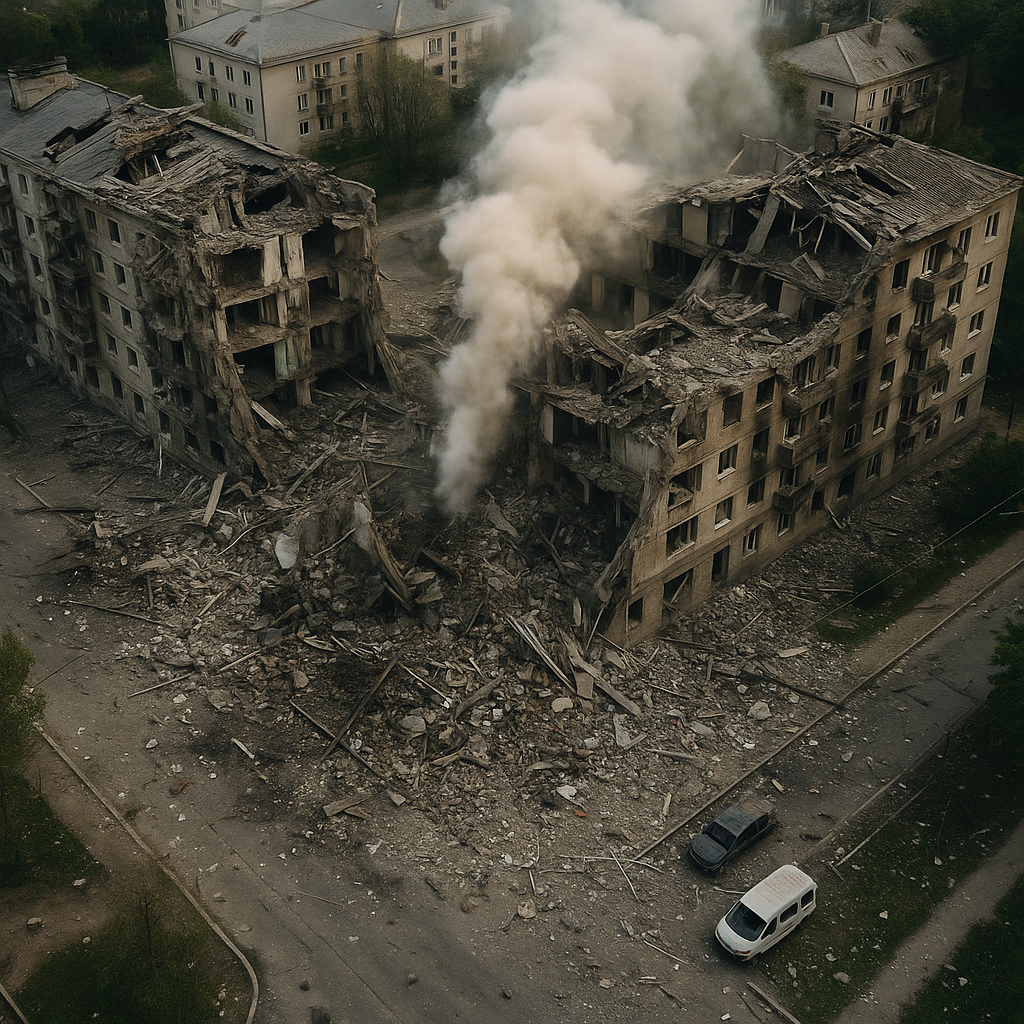
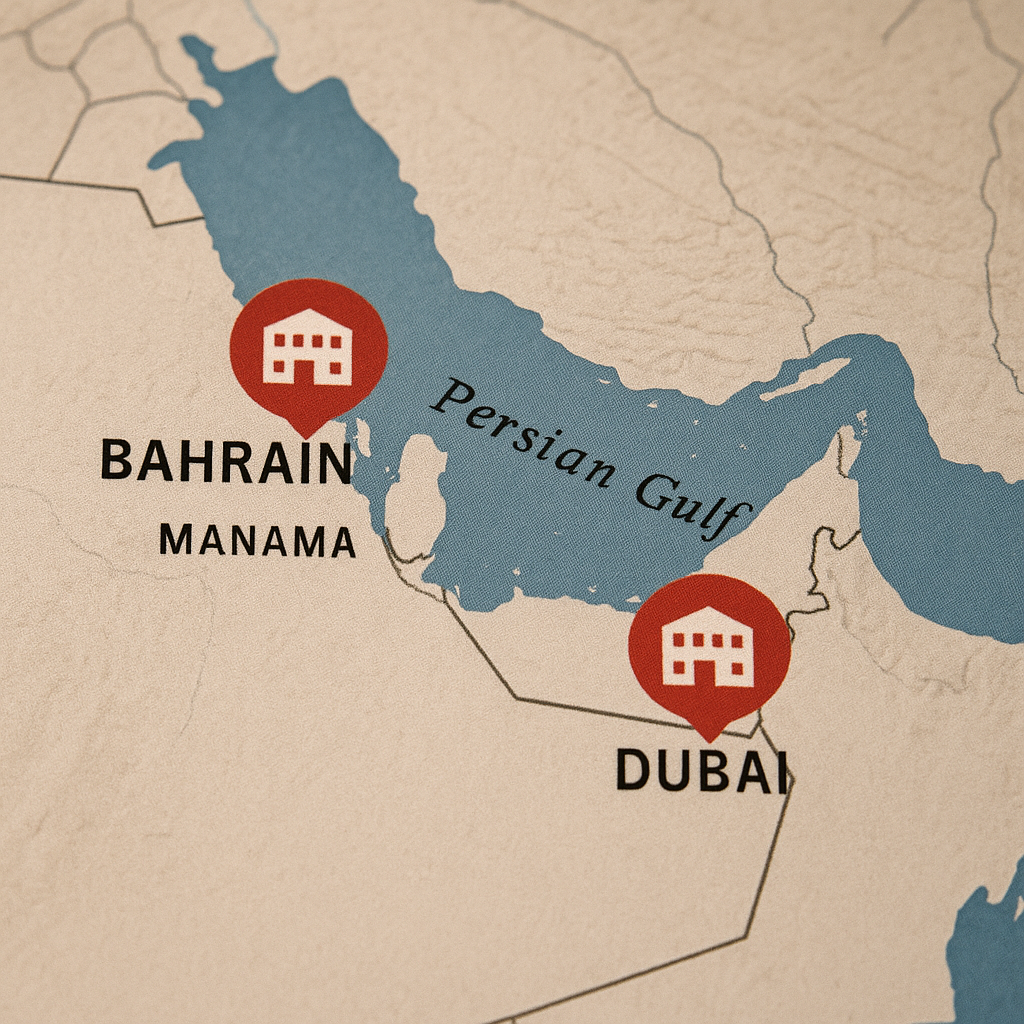
In a shocking turn of events, Amazon Web Services (AWS), the world’s largest cloud service provider, has suffered a significant outage after an Iranian missile strike reportedly targeted two of its major data centers in Bahrain and Dubai. Amazon has declared a “hard down” status across multiple zones in the Middle East, causing disruptions that ripple far beyond infrastructure concerns.
The Ripple Effect: Global Implications of the AWS Outage
Amazon Web Services powers a significant portion of the global digital economy. As such, the reported missile strikes on AWS’s data centers in Bahrain and Dubai have triggered an array of complications, impacting businesses, financial services, and governments reliant on the cloud platform. This unprecedented disruption raises serious questions about the vulnerability of critical cloud infrastructure and the evolving dynamics of geopolitical conflict in cyberspace.
According to industry experts, when AWS declared a “hard down” status across zones, several essential services ceased functioning, ranging from e-commerce platforms to supply chain systems in the Middle East and beyond. Speaking to WBUR, foreign analysts noted that the outage highlights the fragility of essential services in an environment increasingly impacted by geopolitical tensions. “Critical infrastructure like data centers being targeted is a worrying precedent. It could usher in a new era of weaponizing conflict against global tech enterprises,” said one cybersecurity analyst.
How Iran’s Growing Missile Program Fits Into Geopolitical Tensions
The attack comes amidst heightened tensions in the region as the United States and Iran remain at loggerheads, driven by political disagreements and military engagements. Iran has gained notoriety for its increasingly advanced missile capabilities. The strikes, if confirmed, showcase the country’s ability to target strategically vital locations with precision.
While neither the Iranian government nor Amazon has officially provided details about the incident at the time of writing, this aggressive move appears to be part of escalating hostilities. Andrew Roberts, a historian quoted by The Atlantic, highlighted the broader geopolitical stakes. “The Iran crisis has moved well beyond conventional warfare. From oil tankers to digital infrastructure, Tehran seems intent on rewriting the rules of engagement,” Roberts said. He also noted that western nations, including the United States, might find themselves reconsidering their strategies as Iran increasingly diversifies its targets.
Economic Fallout: AWS Customers Grapple with Service Disruptions
AWS has long been heralded as a backbone for businesses across industries, processing trillions of requests daily and hosting major global corporations. With the sudden disruption of facilities in Bahrain and Dubai, many AWS clients are scrambling to recover — particularly those in finance, healthcare, and public services. The declared “hard down” status implies that recovery efforts might take substantial time. Some impacted regions are reportedly experiencing financial transaction delays and hurdles in digital communications.
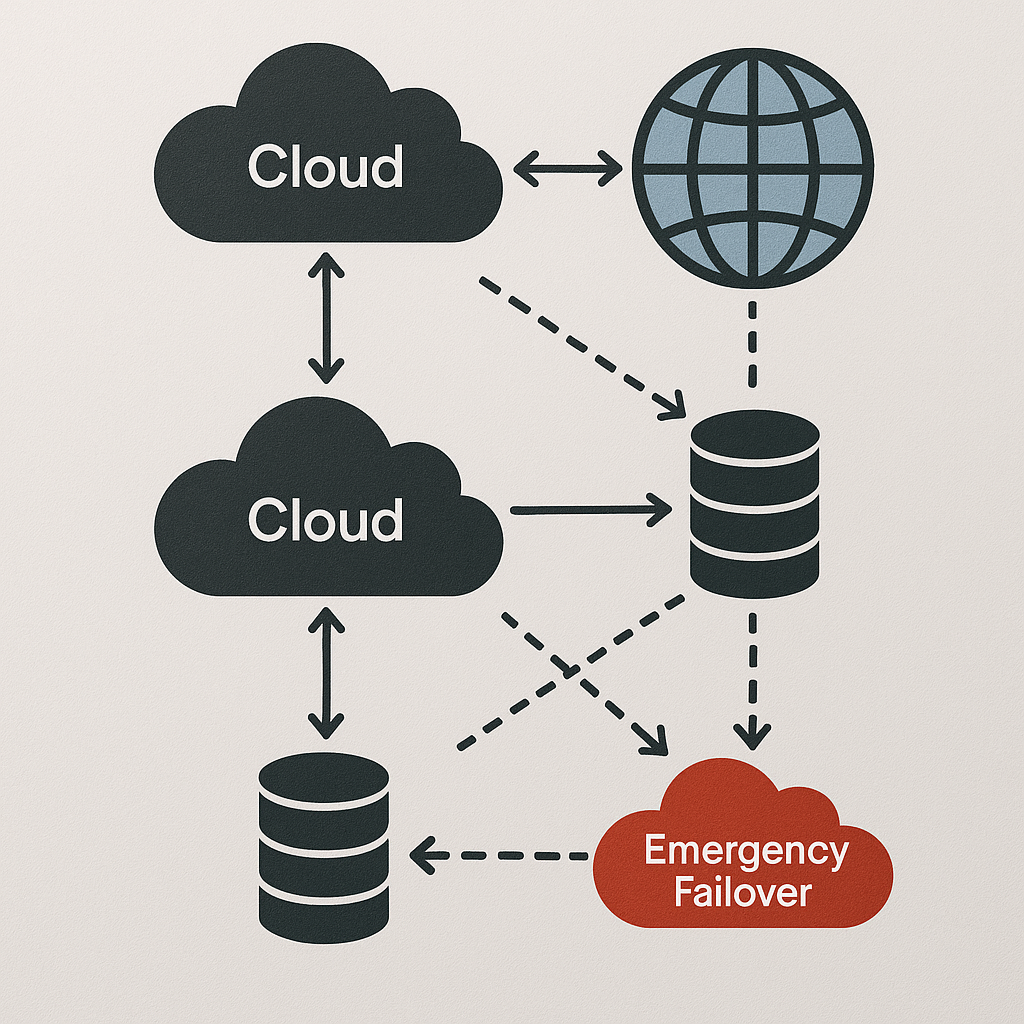
“Companies built their dependencies assuming AWS was untouchable, but this incident proves otherwise,” said an industry observer based in Riyadh. The ripple effect may reach stock markets and major industries reliant on secure and high-speed data access. As yet, Amazon hasn’t disclosed a full timeline for restoring services. Emergency backups in other locations might mitigate the fallout, but many smaller businesses without redundant systems are likely to suffer significant losses.
Cybersecurity Concerns: The Next Battleground?
These missile strikes shine a piercing light on the future of cybersecurity and cloud service resilience. While physical targets have traditionally been within the purview of military conflict, there’s a rising consensus among analysts that digital infrastructure, including cloud services, is now firmly within the crosshairs.
“Cloud providers must rethink their disaster recovery plans as geopolitical risks increase,” emphasized Tom McDonald, a cybersecurity specialist. “Data centers are foundational to computing ecosystems worldwide. Their vulnerability poses a direct risk to everyone, from startups to multinational corporations.” The technical challenge now lies in building more resilient systems capable of weathering both physical and cybersecurity threats.
What’s Next? Implications for Cloud Services and Geopolitical Stability
AWS’s recovery efforts will undoubtedly remain under a global microscope, and the incident may force further discussions on whether cloud infrastructure should be classified as critical national assets and receive heightened security measures.
Moreover, countries embroiled in regional tensions may reevaluate their dependence on foreign-owned technology providers. The notion of “sovereign cloud solutions,” spearheaded by certain governments, could gain traction as nations seek to reduce their vulnerabilities to international conflicts.
Looking ahead, this incident underscores the collision between geopolitical instability and technological growth. For Amazon, the world’s largest cloud provider, regaining trust through resilience will take immediate priority. Industry leaders and governments alike should prepare for an era where technological infrastructure increasingly intertwines with armed conflict.
The broader question now becomes: how can nations and private enterprises collaborate to ensure that essential services — whether healthcare, financial transactions, or military communications — remain uninterrupted in the face of escalating threats?
Conclusion
As the dust settles, the AWS crisis triggered by Iranian missile strikes will undoubtedly reshape global discussions around security for cloud infrastructures. Businesses, governments, and ordinary users alike have been handed a stark reminder of the fragility of systems once considered untouchable. By monitoring developments in recovery strategies, examining the timeline of geopolitical tensions in the region, and reviewing client safety protocols, the world must adapt quickly to mitigate future disruptions.