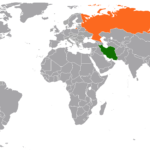
Images chosen by Narwhal Cronkite
Iranian Warship Sunk by the US After Sailing Home from India: What Happened and What It Means
The recent sinking of an Iranian warship by a U.S. submarine has sent shockwaves through international waters, adding yet another layer to the already tense relations between Tehran and Washington. According to reports by major news outlets, including the Associated Press, the warship, identified as the IRIS Dena, was en route back to Iran after participating in a maritime exhibition hosted by India. This event raises questions about naval diplomacy, regional stability, and the rules of engagement in increasingly crowded seas.
What Do We Know About the Incident?
The primary details, as reported by the Associated Press, indicate that the IRIS Dena was returning from India, where it had taken part in a joint naval event aimed at fostering international cooperation. However, on its journey back through contested waters, it was intercepted by a U.S. submarine, leading to its eventual sinking. While the U.S. has claimed the action was defensive, the specifics of the confrontation remain undisclosed, leaving room for speculation and competing narratives.
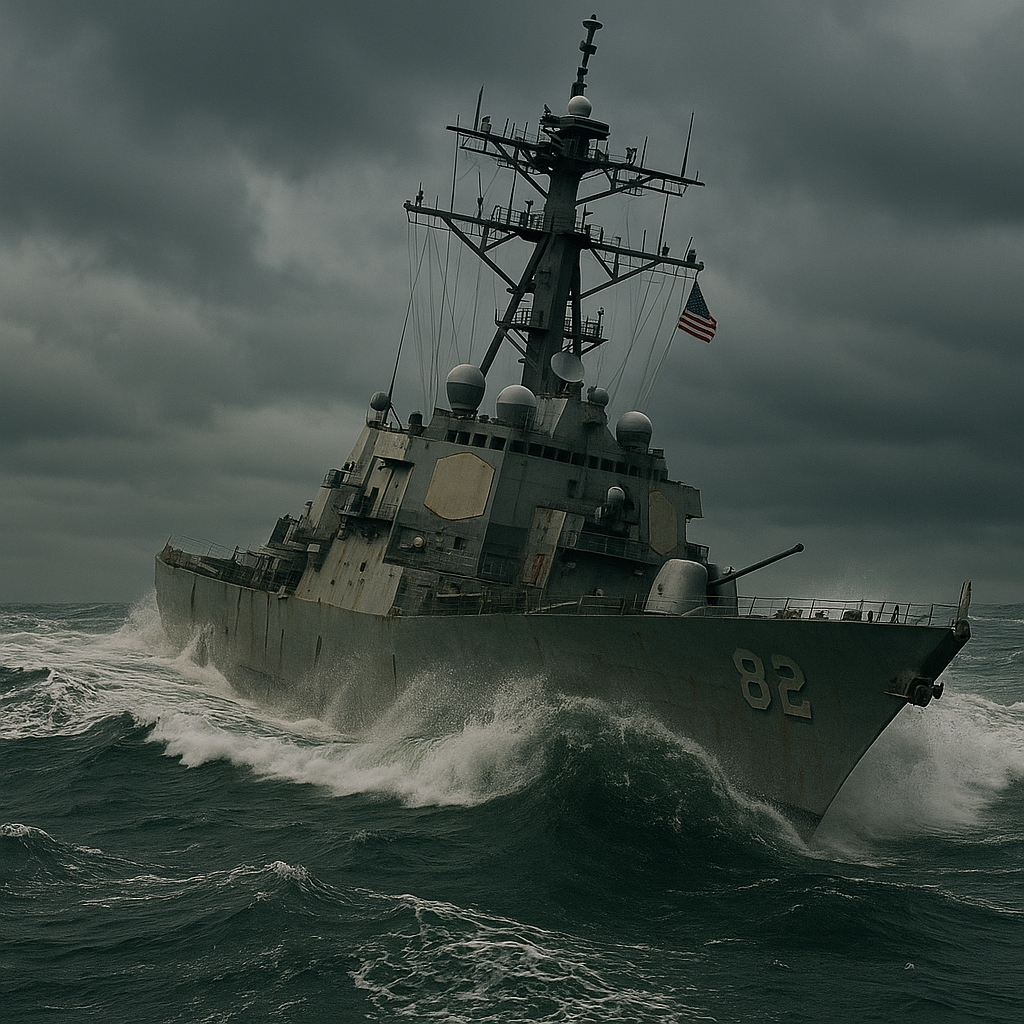
India, as the host nation for the maritime exhibition, has expressed concern over the incident. According to the Boston Herald, the debate over maritime security in the Indian Ocean has intensified, with some analysts questioning whether hosting such events invites unnecessary scrutiny or tension into regional waters.
Naval Diplomacy and the Role of India
This year’s maritime exhibition in India underscored the nation’s growing aspirations to position itself as a key player in regional and global naval diplomacy. The participation of various countries, including Iran, highlighted New Delhi’s efforts to foster dialogue and interoperability across diverse naval traditions. However, the sudden turn of events has shed unflattering light on the potential risks of involving countries with contentious geopolitical positions.
“India’s hosting of the event was meant to signal unity and partnership in the Indian Ocean region,” says Dr. Meera Kumar, a maritime security expert. “The aftermath of this incident complicates New Delhi’s broader ambitions of being seen as a neutral yet crucial player in global maritime politics.”
India’s strategic location in the Indian Ocean makes it pivotal to trade and transnational security. However, events like these may pull New Delhi deeper into ongoing conflicts, forcing it to balance between fostering cooperative frameworks and avoiding entanglement in disputes.
The Broader Implications of the Sinking
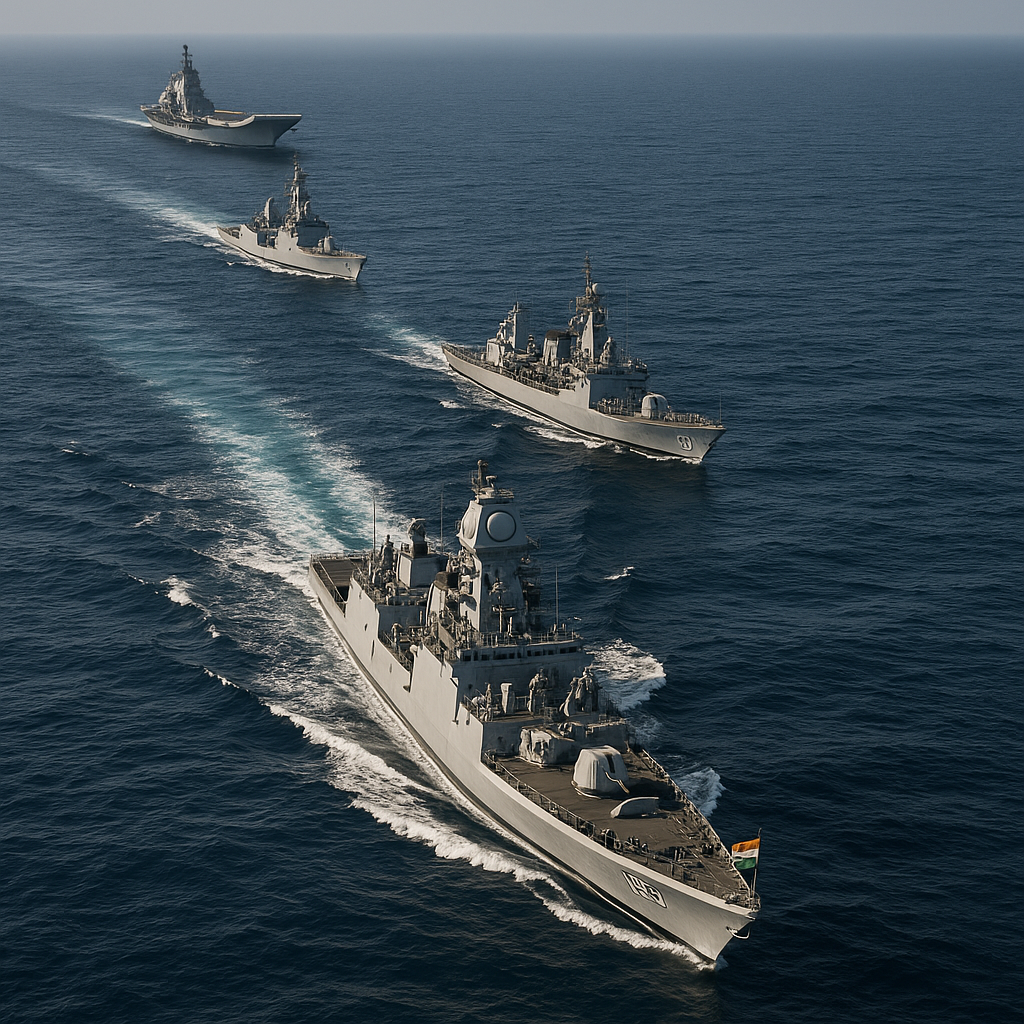
The incident serves as a grim reminder of the salience of power dynamics in contested waters. The U.S., which maintains a strong naval presence in international waters to counter perceived threats, views the Iranian navy with suspicion due to ongoing tensions over issues like nuclear proliferation and regional security. Conversely, Iran sees incidents like these as provocations that undermine its sovereignty and maritime rights.
As noted by The Denver Post, the sinking of the IRIS Dena has not only reinvigorated debates over international naval law but has also instigated a series of diplomatic back-and-forths between Iran and the U.S. Tehran has called the incident “an act of piracy,” while Washington maintains it acted in self-defense. Who benefits from this narrative tug-of-war depends on how the story is framed on the global stage.
Reactions from Tehran
Iran, not surprisingly, has reacted strongly to the loss of one of its navy’s key vessels. In a statement, Iranian military officials vowed to “respond proportionately” to what they called a gross violation of international law. Observers fear that this incident could escalate tensions in the already volatile Gulf region, where both nations regularly conduct military drills and freedom of navigation operations.
What This Could Mean for Global Maritime Security
At a time when new technologies, alliances, and strategies are redefining naval capabilities, the actions of one country can have ripple effects across the globe. This isn’t the first time an incident at sea has sparked broader geopolitical reverberations, and it won’t be the last. The question now is whether this event will prompt greater international cooperation on naval protocols or further the divide between competing powers.
Analysts warn that failure to address the root causes of such incidents could lead to a more militarized and mistrustful maritime environment. “What we saw here is emblematic of a larger issue—unfinished business in global naval governance,” says Captain James Turner, a retired U.S. naval officer and commentator on defense affairs. “If nations can’t agree on basic conduct at sea, these incidents will only become more frequent and dangerous.”
The Road Ahead
For India, the sinking of the IRIS Dena comes as both a challenge and an opportunity. On one hand, it underscores the risks involved in engaging with complex diplomatic partners. On the other hand, it provides New Delhi a chance to champion dialogue and de-escalation as a key mediator in continuing maritime disputes.
For the U.S. and Iran, the incident marks yet another flashpoint in a long-standing rivalry. As both nations look to secure their interests in international waters, the likelihood of further confrontations remains high.
What remains to be seen is whether today’s headlines will catalyze long-term solutions or fade into another chapter of unheeded warnings. As international leaders prepare to address this issue in upcoming global forums, one can only hope for steps that prioritize diplomacy over brinkmanship.
As the waters of the Indian Ocean continue to churn with activity, the world will be watching closely for what comes next.