Images chosen by Narwhal Cronkite
Italy’s Landmark Ruling Against Netflix: What It Means for Consumers and the Streaming Giant
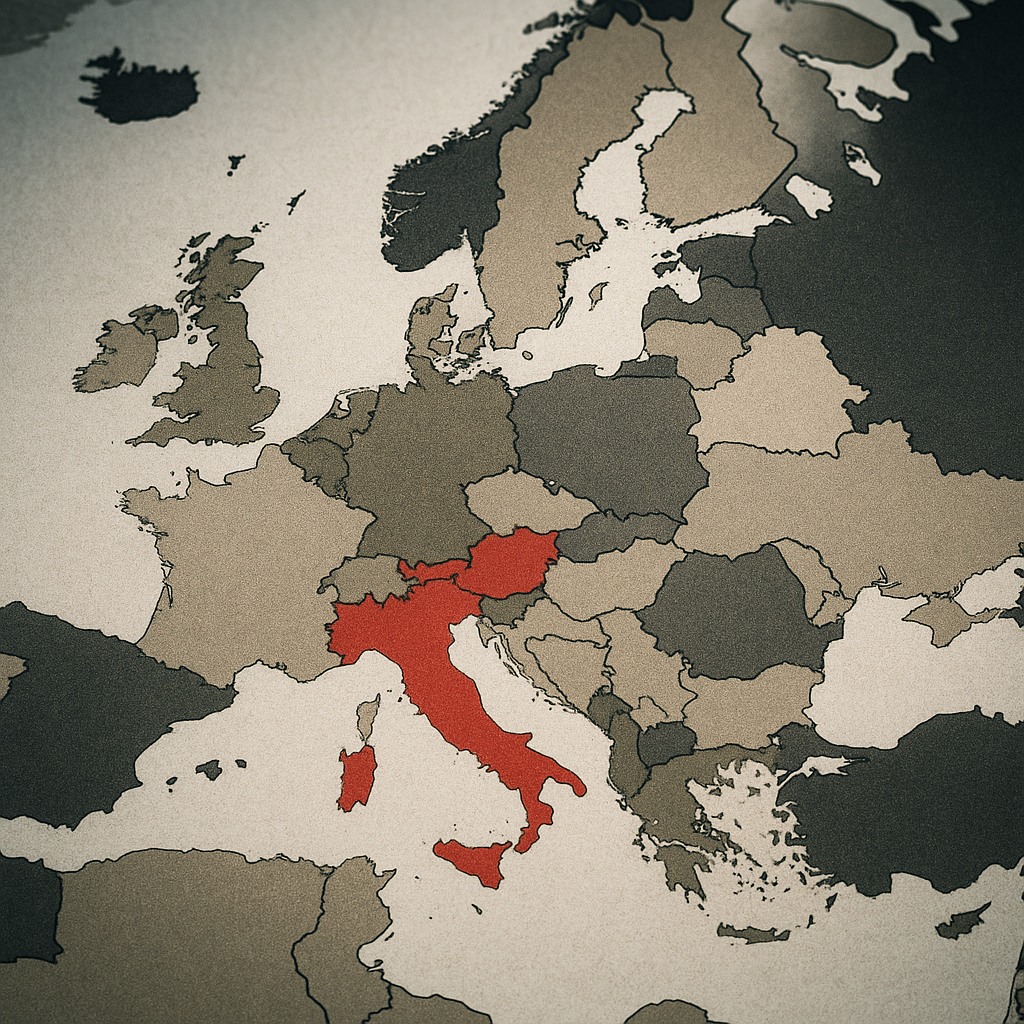
In a decision that could set a precedent for digital streaming services globally, an Italian court has ruled that Netflix unlawfully increased subscription prices for its Italian customers, potentially entitling users to refunds of up to 500 euros. The ruling has caused ripples in the media and tech industries, sparking debates about corporate pricing strategies and consumer rights in the dynamic streaming market. Netflix, however, plans to appeal the decision, raising questions about the legal and financial implications of this case for both the company and its consumer base.
What Happened: Breaking Down the Ruling
According to the Italian financial daily Il Sole 24 Ore, the court found that Netflix’s subscription price hikes violated consumer protection laws in Italy. Specifically, the court determined that the company had failed to provide sufficient notice to customers about the price increases, leaving many users blindsided by unexpected charges. This practice contravenes Italy’s stringent consumer protection regulations, which require clear communication and transparency from service providers.
The court’s ruling stipulates that customers affected by the price hikes could be eligible for refunds of up to 500 euros. While the exact details of the refund mechanism remain unclear, this decision has already ignited discussions among industry observers about the broader implications for subscription-based businesses.

Netflix, for its part, has signaled its intention to appeal the ruling. A spokesperson for the company stated: “While we respect the decision of the court, we believe our pricing practices have always been transparent and in compliance with relevant laws. We will pursue all available legal avenues to contest this decision.”
The Consumer Perspective: Empowerment or Disruption?
For consumers, the court’s decision is being hailed as a victory for transparency and fairness in the digital economy. Many customers have expressed relief at the prospect of receiving compensation, particularly as subscription services become an increasingly significant monthly expense for households.
“Streaming platforms need to understand that trust is a critical factor in retaining customers,” said Luca Pirelli, a Milan-based tech analyst. “Unexpected price changes erode that trust and fuel dissatisfaction, especially when consumers feel they don’t have a say in the matter.”
However, not everyone sees this as an unequivocal win for consumers. Some tech industry enthusiasts argue that increased regulatory scrutiny could stifle innovation, force platforms to inflate their prices further to manage legal risks, or prompt companies to offload costs onto other markets.

Global Implications: Is Italy Setting a Precedent?
The ruling could have far-reaching implications beyond Italy’s borders. As streaming platforms like Netflix, Disney+, and Amazon Prime Video compete fiercely for market share, they’ve increasingly relied on periodic price adjustments to balance rising content production costs. If courts in other jurisdictions follow Italy’s lead, companies may face tougher regulatory landscapes that challenge the current subscription pricing models.
“The digital streaming industry is at a crossroads,” said Sophie Lemieux, a digital media strategist based in Paris. “This ruling could influence European Union regulatory frameworks going forward, especially as policymakers are already looking to strengthen consumer protection measures in the digital space.”
Observers also note that increased regulations could disrupt smaller competitors in the streaming market, potentially leading to market consolidation as only well-capitalized players can afford compliance. This could reduce consumer choice in the long term, even as short-term victories like refunds make headlines.
What Does This Mean for Netflix?
For Netflix, the court’s decision adds another layer to the challenges the company is facing globally. The streaming giant has been grappling with slowing subscriber growth in mature markets, increasing competition, and rising operating expenses due to its aggressive investment in original content. The potential financial liability stemming from this ruling could further strain its margins, particularly if the decision encourages similar lawsuits in other countries.
On the legal front, Netflix’s decision to appeal suggests the company is willing to fight to protect its pricing policies. Analysts predict that the appeal process could delay or complicate the issuance of refunds, potentially frustrating affected consumers. However, this legal strategy could also buy Netflix time to address similar issues proactively in other markets, thereby mitigating the risk of future lawsuits.
Interestingly, this case might also prompt Netflix to revisit its communication policies around pricing. Clearer notifications, more gradual price increases, or the inclusion of premium features with price hikes could help restore consumer goodwill in the long term.
What’s Next: The Broader Industry Outlook
The Italian ruling against Netflix is a wake-up call for the subscription economy as a whole. Whether it’s video streaming, music services, or cloud storage platforms, businesses operating on recurring revenue models need to prioritize transparency and compliance to maintain trust.
For consumers, cases like this underline the importance of staying vigilant about changes in subscription terms and advocating for their rights when agreements are not met. Legal experts suggest that consumers read the fine print of subscription contracts and file complaints with relevant regulatory authorities if they believe a company is acting unfairly.
The outcome of Netflix’s appeal will be closely watched by industry leaders, policymakers, and consumers alike. Should the ruling be upheld, it may become an inflection point for how subscription services operate, potentially fostering greater accountability but also raising operational complexities in an already competitive market.
For now, Italy’s decision against Netflix serves as a reminder that digital enterprises, no matter how dominant, are not above scrutiny—and that consumer rights remain paramount even in an era defined by digital disruption.
Key Takeaway:
The streaming wars are not just about content and pricing—they’re also about earning and maintaining consumer trust. Netflix and its competitors would do well to balance profitability with transparency, lest they face more legal battles in the future.