Images chosen by Narwhal Cronkite
Italy Expels Muslim Leader Who Defended Marriage to 9-Year-Old Girl
In a decision that has sparked debate over the intersection of religious beliefs, law, and societal norms, Italian authorities expelled Muslim leader Ali Kashif from the country after his controversial comments defending the marriage of girls as young as nine years old. This move not only raises questions about Italy’s immigration policies but also underscores the tensions between cultural values and human rights in an increasingly globalized world.

A Legal and Ethical Tightrope
The expulsion followed comments made by Kashif, who served as an imam at Islamic centers in Brescia, a city in northern Italy. During a television program aired by broadcaster Rete 4, Kashif was caught on camera asserting that a 9-year-old girl could be considered an adult if she had begun menstruation. He described this position as scientifically valid and claimed it aligned with interpretations of Islamic texts—a statement that led to widespread criticism across the political and social spectrum.
The Italian Commissioner Paolo Sartori deemed these comments a threat to public safety and social order, prompting the cancellation of Kashif’s residency permit and his subsequent deportation to Islamabad, Pakistan. As reported by La Repubblica, the imam was escorted by law enforcement to Milan’s Malpensa Airport, highlighting the urgency of Italy’s decision.
Such cases present a complex balancing act for governments. On one hand, nations have an obligation to protect religious freedom and cultural expression. On the other hand, they bear a responsibility to uphold laws that ensure the safety and equality of all individuals—particularly vulnerable groups like children. Italy’s response signals that child protection takes precedence over cultural relativism in its legal framework.

The Broader Context: Legal Standards vs. Religious Interpretation
This incident is not isolated but part of a larger global conversation around child marriage, which remains a deeply controversial and culturally sensitive issue. Internationally, the consensus is clear: the United Nations and other bodies have long condemned child marriage as a violation of human rights. Under Italian law, the legal age of marriage is 18, with exceptions allowing 16-year-olds to marry with parental consent. The idea of marriage involving a 9-year-old is far outside the realm of legality and public acceptability in Western democracies.
However, Kashif’s remarks reflect interpretations of historical practices in certain cultures and religious traditions, where adulthood has sometimes been determined by physiological milestones like menstruation. These views, while still held in parts of the world, often clash with modern human rights frameworks that prioritize the wellbeing and autonomy of minors over religious or cultural justifications.
Observers note that cases like Kashif’s often prompt renewed scrutiny of how nations should handle immigrants and residents whose cultural or religious practices conflict with established legal and ethical standards. While Italy acted decisively in this case, other countries have faced criticism for not adequately addressing similar issues within their borders.
Reactions and Policy Implications
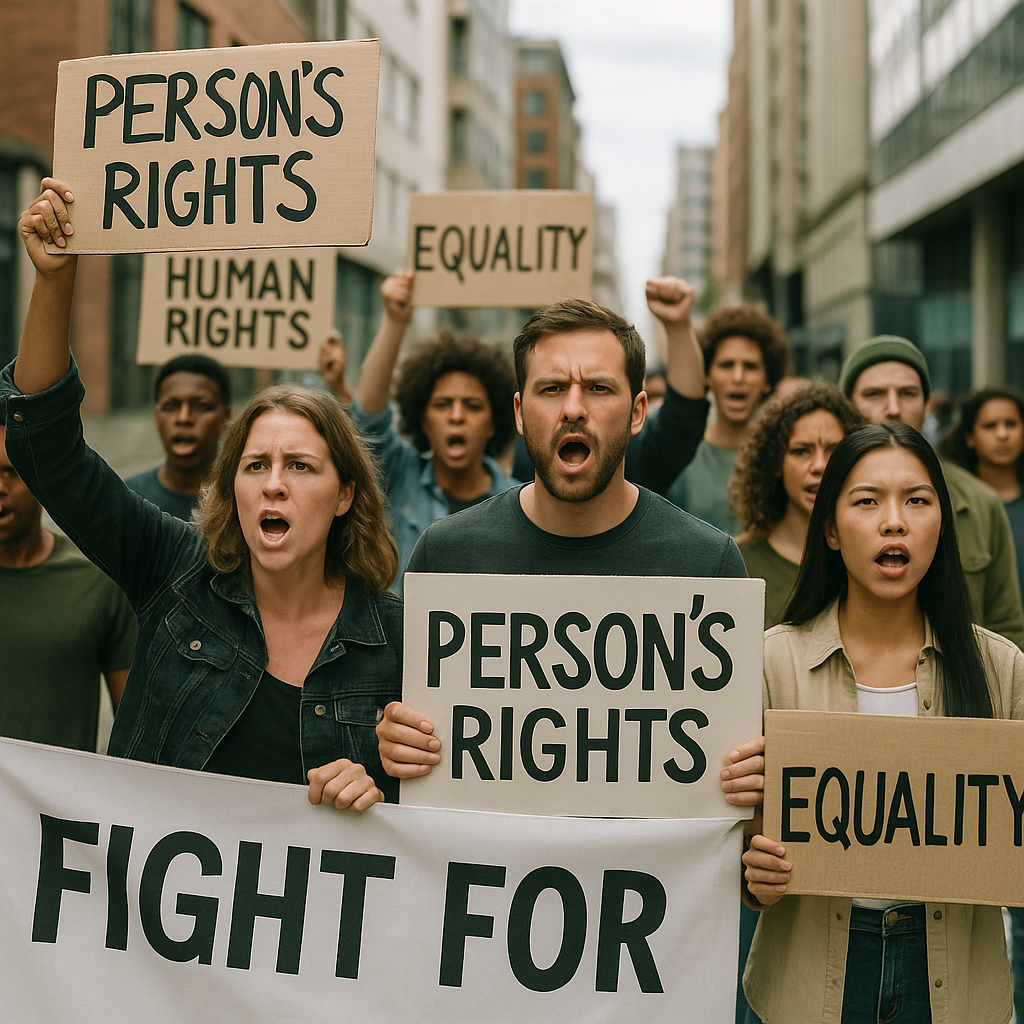
Public reaction to Kashif’s comments and subsequent expulsion has been divisive. Advocates for stricter immigration and integration policies argue that the incident underscores the need for clearer guidelines around cultural adaptation and the enforcement of national laws. Critics of the expulsion, however, question whether deportation is the best way to address ideological disagreements, suggesting that dialogue and education could be more effective in fostering understanding and alignment with Italian values.
In Brescia, where Kashif was active, community leaders from both Islamic and non-Islamic backgrounds have condemned child marriage and distanced themselves from his statements. “There is no place for this kind of rhetoric in our religious communities,” commented a local imam who requested anonymity. “We work hard to ensure that our teachings are in harmony with the laws and values of this country.”
From a policy perspective, the case may set a precedent for how Italy deals with similar issues in the future. The government’s decision to use national security and social order as grounds for expelling Kashif highlights its willingness to take a hardline stance when cultural practices are perceived to conflict with fundamental rights.
What This Means for Italy and Beyond
The deportation of Kashif raises important questions about the role of religious leaders in multicultural societies. At a time when Europe is grappling with issues of integration, identity, and social cohesion, the incident underscores the challenges of maintaining secular governance while respecting religious diversity.
Beyond Italy, this case adds to a growing body of incidents where the clash between cultural traditions and contemporary values has led to significant legal and political consequences. Whether involving child marriage, gender equality, or freedom of speech, governments are increasingly being called upon to define the boundaries between tolerance and the enforcement of universal human rights.
In Italy specifically, this incident may influence ongoing debates around immigration, integration programs, and the supervision of religious institutions. Some analysts suggest that enhanced training programs for religious leaders—focused on aligning their teachings with national laws—could help prevent similar controversies in the future. Others argue that stricter vetting processes for residency permits might be necessary to uphold public safety.
Moving Forward: What to Watch
As the story continues to generate discussion, there are several key developments to monitor. Will Italy introduce new policies or legislation aimed at preventing cases like Kashif’s? How will Muslim religious leaders in Europe respond to the incident, and will it prompt broader changes in how Islamic teachings are interpreted in non-Muslim-majority countries?
On a wider scale, this case may influence how nations navigate the delicate balance between protecting cultural diversity and upholding universal human rights. For Italy, Kashif’s expulsion is not just a legal matter but a statement about the country’s priorities in safeguarding vulnerable populations, particularly children.
As Europe and the world grapple with these complex and often contentious issues, one thing remains clear: the conversation is far from over.