Images chosen by Narwhal Cronkite
Japan’s defense forces were placed on high alert after military aircraft from China entered what Tokyo considers its national airspace, marking what officials described as a rare and significant escalation in regional tensions. The incident prompted Japan to scramble fighter jets, underscoring the fragile security balance in East Asia.
First Reported Airspace Breach
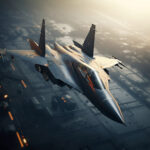
According to Japan’s Ministry of Defense, Chinese military aircraft briefly entered Japanese-controlled airspace before exiting the area. While such encounters between aircraft are not uncommon in contested regions, officials indicated this was the first confirmed instance of a direct breach.
“We responded immediately in accordance with established protocols,” a defense official said, noting that fighter jets were dispatched to monitor and escort the aircraft out of the area.

Rising Tensions in the Region
The incident comes amid broader tensions between Japan and China over territorial disputes in the East China Sea. Military activity in the region has increased in recent years, with both sides conducting patrols and exercises.
Analysts say the latest development reflects a gradual shift in how airspace boundaries are tested. “These encounters are becoming more frequent and more assertive,” said a regional security expert.
Diplomatic Reactions
Japanese officials lodged a formal protest following the incident, emphasizing the importance of respecting national sovereignty and international norms. China has not publicly confirmed the details but has previously maintained that its operations in the region are lawful.
Observers note that such incidents often lead to diplomatic exchanges rather than immediate escalation, though they contribute to long-term strategic friction.
Military and Strategic Implications
The scramble response highlights Japan’s readiness posture and its reliance on rapid interception capabilities. Defense analysts say such incidents test not only military preparedness but also communication channels designed to prevent misunderstandings.
“The risk is not just intentional escalation, but miscalculation,” one analyst said.
What to Watch Next
Experts will be watching for changes in patrol patterns, additional encounters, and any shifts in diplomatic tone. As both countries continue to assert their positions, maintaining stability in the region will remain a key challenge.