TOKYO — Popular twin pandas at a Tokyo zoo are set to head back to China in late January, a farewell that will leave Japan without a single panda for the first time in about 50 years.
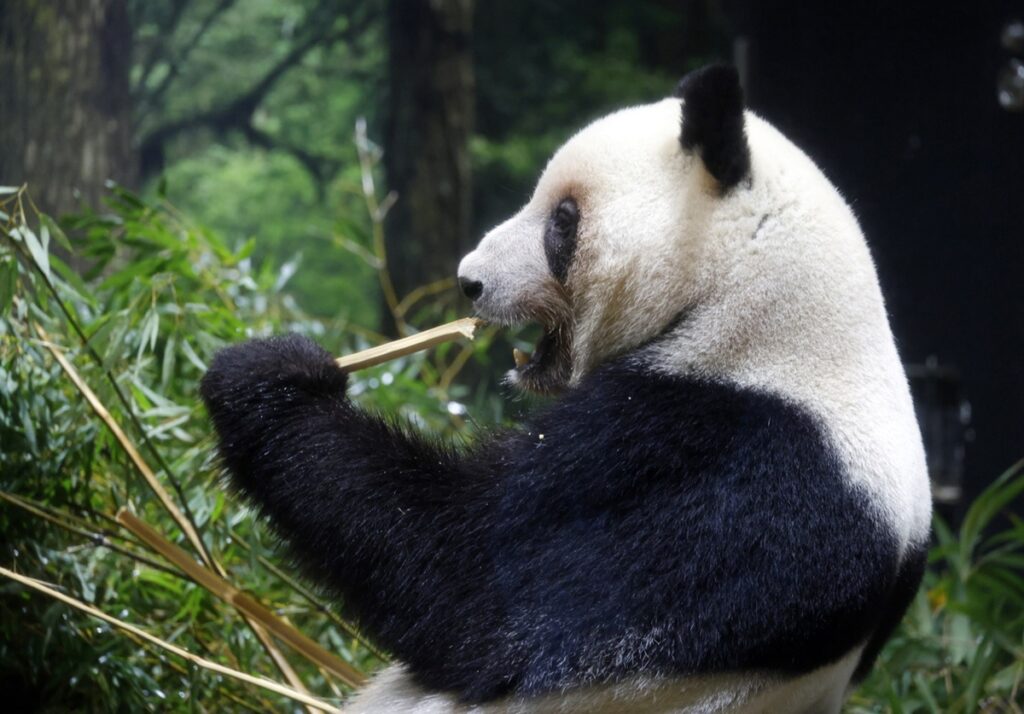
The twin cubs, Xiao Xiao and his sister Lei Lei, were born at Tokyo’s Ueno Zoological Gardens in 2021. Like all of the zoo’s pandas before them, they are on loan from China and must be returned by February under an agreement between the two countries.
Their parents, Shin Shin and Ri Ri, arrived in 2011 for a long-term breeding research program and became huge crowd-pullers before being sent back to China last year. With the parents gone and the twins now scheduled to depart, Japan’s long-running “panda era” is about to pause for the first time since the 1970s.
Tokyo officials say the last day for visitors to see the 4-year-old twins at Ueno Zoo will be Jan. 25. After that, preparations will begin for their journey to China.
Panda diplomacy under pressure
Japan’s Chief Cabinet Secretary Minoru Kihara acknowledged how deeply pandas are woven into public affection, calling them a long-standing symbol of goodwill between Tokyo and Beijing.
“Exchanges through pandas have contributed to improving the public sentiment between Japan and China, and we hope the relationship will continue,” he told reporters, adding that a number of local governments and zoos have already expressed interest in hosting new pandas.
But officials privately admit that prospects are not bright. Panda loans have always reflected the state of wider ties, and relations between the two countries have chilled markedly in recent months. Beijing has yet to signal any concrete plan to send new pandas to Japan once Xiao Xiao and Lei Lei leave.
China’s so-called “panda diplomacy” with Japan began in 1972, when a pair named Kang Kang and Lan Lan arrived in Tokyo to mark the normalization of diplomatic ties. Since then, pandas have been constant fixtures at Japanese zoos, drawing huge crowds and serving as soft-power ambassadors for China.
A 50-year love affair with giant pandas
For many Japanese visitors, pandas are more than zoo attractions. Long queues, limited viewing times and merchandise tie-ins have turned new cubs into national celebrities, with Ueno Zoo often packed whenever a baby panda goes on display.
Over the decades, pandas in Tokyo, Wakayama and Kobe have generated tourism revenue, inspired TV coverage and children’s books, and helped humanize relations with China during periods of political friction. A Nippon.com analysis this year described a “50-year love affair” between Japan and giant pandas, noting that the animals have often softened public attitudes toward Beijing even when governments clashed.
That is one reason the looming “zero-panda era” feels symbolic to many. Once Xiao Xiao and Lei Lei depart, Japan will lose a visible, everyday reminder of a more hopeful chapter in the relationship.
Australia’s social media ban for under-16s takes effect
Taiwan tensions strain Japan-China relations
The timing of the twins’ return comes as Japan-China ties are under new strain, driven largely by concerns over Taiwan and military activity in the region.
Relations worsened after Prime Minister Sanae Takaichi said in early November that Japan’s military could become involved if China took action against Taiwan, the self-governing island that Beijing claims as its own territory. She framed a potential attack on Taiwan as a direct threat to Japan’s security.
China responded by urging its citizens to avoid travel to Japan, cutting back on tourism that had been a key pillar of people-to-people exchanges. Several cultural events and local-government exchange programs were canceled as the atmosphere cooled.
Tensions rose again this month when Chinese military drills involving an aircraft carrier near southern Japan prompted Tokyo to scramble fighter jets. Japanese officials also lodged protests, accusing Chinese forces of repeatedly locking radar onto Japanese aircraft — a move often interpreted as preparation for possible missile launches.
Uncertain future for panda diplomacy
Giant pandas are native to southwestern China and serve as an unofficial national mascot. Beijing lends them to foreign zoos as a gesture of goodwill, but retains ownership of the animals and any cubs they produce under conservation and research agreements.
For Japan, those agreements have quietly underpinned a half-century of panda visits and breeding programs. With the last two pandas now preparing to leave and broader ties under pressure, zoo officials and fans are left wondering when — or if — another black-and-white ambassador will arrive.
For now, Ueno Zoo’s focus is on giving Xiao Xiao and Lei Lei a proper send-off. Lines are expected to be long in the run-up to Jan. 25 as visitors try to say goodbye, aware that once the twins board their flight to China, Japan’s panda enclosures will stand empty for the first time in a generation.
Sources:
AP News – “Japan will be without a panda for the first time in 50 years after twins leave Tokyo zoo”
Nippon.com – “Panda Parting: Iconic Animals Returning to China from Japanese Zoos”