Images chosen by Narwhal Cronkite
Judge Blocks Subpoenas Against Fed Chair Jerome Powell, Citing ‘Essentially Zero Evidence’
A federal judge recently rejected a bid to subpoena Federal Reserve Chair Jerome Powell in a legal dispute that has stirred intrigue within the United States’ economic and financial sectors. The ruling, which underscored the absence of substantive evidence to justify Powell’s testimony, raises significant questions about the limits of accountability for high-ranking financial policymakers. It also marks a critical moment in the ongoing scrutiny of the Federal Reserve’s independence and transparency.

The Case for Powell’s Subpoena: What Was at Stake?
The legal attempt to compel Federal Reserve Chair Jerome Powell to testify stemmed from ongoing litigation tied to alleged financial inefficiencies and regulatory lapses. Critics of the Fed’s monetary policies have, in recent years, questioned both the transparency of its decision-making processes and the broader ramifications of its policies on financial stability and income inequality.
At the core of the subpoena attempt was a contention that Powell’s testimony could shed light on internal deliberations surrounding key policy decisions, such as interest rate adjustments and quantitative easing measures. However, the presiding judge dismissed the motion, citing a lack of tangible evidence to link Powell’s actions or statements directly to the claims made in this particular case.
The court ruling emphasized the necessity of balance: ensuring public accountability while protecting the independence of entities like the Federal Reserve, whose work is pivotal to the functioning of the U.S. economy. In the judge’s words, “The evidence presented falls drastically short of establishing any relevant basis for Powell’s testimony.” This statement not only underlined the legal insufficiency of the claim but also reinforced the institutional protections granted to key public officials.
Transparency Versus Independence: The Broader Implications
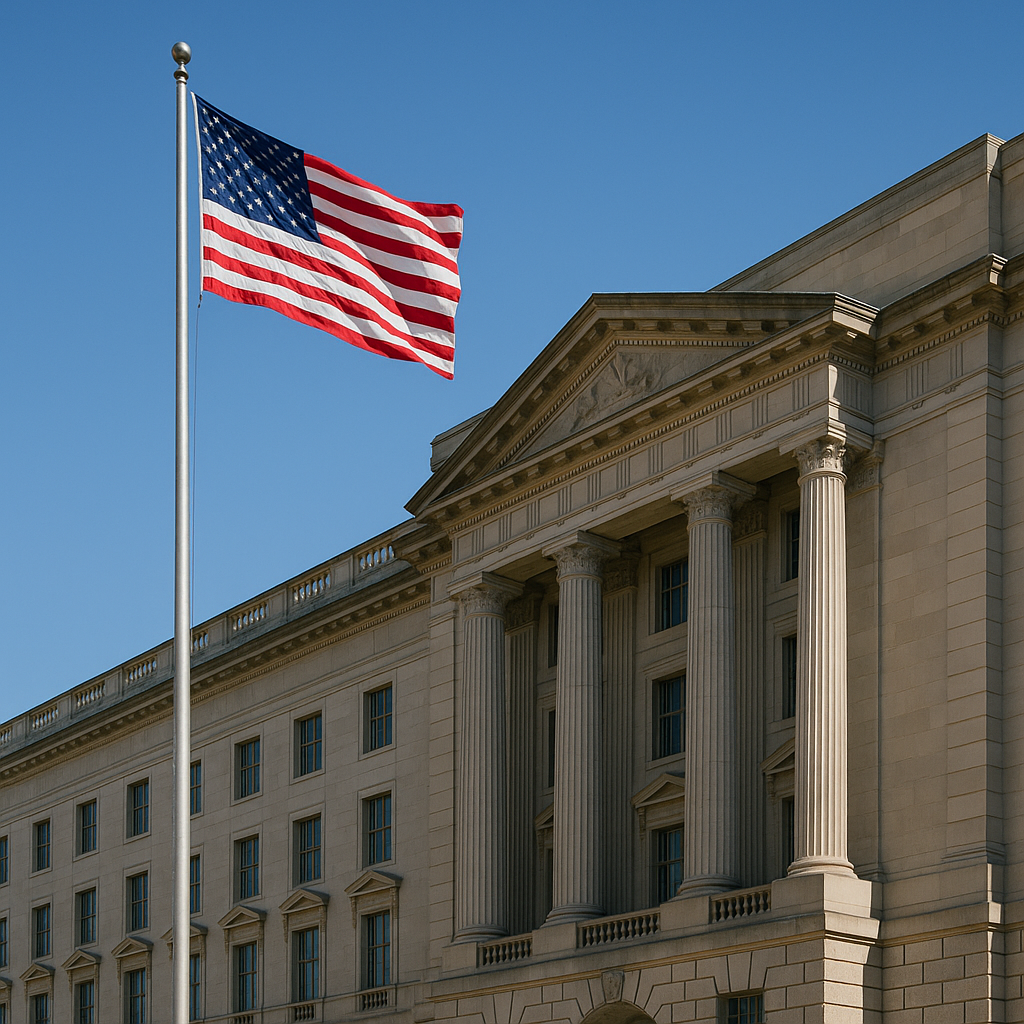
This development reignites debate over the fine line between holding public institutions accountable and preserving their autonomy. The Federal Reserve operates as an independent agency within the government, its decisions largely insulated from immediate political pressures. This independence is widely regarded as essential for maintaining economic stability, but it has also made the Fed a frequent target of criticism, particularly during times of economic uncertainty or crisis.
“The Federal Reserve must retain its independence to make decisions based on economic data rather than political expediency,” said Samuel R. Grant, an economist at the Center for Monetary Policy Studies. “However, this does not mean it is above reproach. Striking this balance is not just a legal issue, but also a matter of public confidence.”
Industry analysts have noted that the Federal Reserve Chair is rarely summoned to testify outside of congressional hearings. While calls for Powell’s subpoena were seen by some as unwarranted, others viewed it as a potential precedent for increasing oversight over the Fed’s actions.
Powell’s Leadership Amid Both Praise and Criticism
Jerome Powell, who took over as Federal Reserve Chair in 2018, has navigated one of the most turbulent financial periods in recent history. Between the COVID-19 pandemic, historic inflation rates, and mounting economic pressure, Powell has faced both commendation for stabilizing markets and criticism for the perceived delay in addressing inflation.
Under Powell’s leadership, the Fed’s use of extraordinary monetary policy tools, such as asset purchases and near-zero interest rates, has fueled debates about their long-term impact. Critics argue that these measures have exacerbated wealth disparities while benefiting large financial institutions disproportionately. Supporters counter that these interventions were necessary to prevent economic collapse.
According to Lisa Mitchell, a financial writer at Market Trends Weekly, “This latest case appears to be less about Powell personally and more about using his position as a symbol for broader frustrations with monetary policy. Whether justified or not, Powell has become a lightning rod for economic grievances.”

Legal Precedents and the Path Forward
The judge’s decision to block Powell’s subpoena is likely to serve as a legal benchmark for future cases involving high-ranking federal officials. In all likelihood, this ruling will reinforce the judicial principle that such testimonies require clear and compelling evidence directly relevant to the matter at hand.
This case also highlights the continued scrutiny facing the Federal Reserve in a polarized economic landscape. With inflationary pressures still lingering and recession fears resurfacing, public and political interest in the Fed’s actions is unlikely to wane. Analysts note this issue will only gain more traction ahead of Powell’s next congressional testimonies, where he is expected to detail the Fed’s outlook on inflation and monetary tightening.
More broadly, the debate underscores the importance of improving communication and transparency between the Federal Reserve and the public. While policymakers argue that technical decisions are best left to experts, populations troubled by rising housing costs and stagnant wages are demanding more accountability from those who wield significant economic influence.
What’s Next: Implications for Public Trust in the Fed
The immediate implications of this legal development lie in its reinforcement of institutional independence. Yet, it also raises questions about the extent to which financial institutions must adapt to increasing calls for openness. The balance between privacy for effective policymaking and transparency for public accountability will remain a central tension point moving forward.
As the Federal Reserve faces its next series of challenges, Powell and his team will need to navigate the dual demands of addressing inflation while simultaneously working to build public trust. Coupled with mounting political pressures in a divisive political climate, the challenges for the Fed—and its Chair—are unlikely to abate anytime soon.
Observers will now focus on forthcoming policy decisions, market responses, and Powell’s future public appearances. While the blocked subpoena could be considered a short-term win for the Federal Reserve, it serves as a potent reminder that the institution will remain a focal point of economic debate in the coming years.