Images chosen by Narwhal Cronkite
‘Ketamine Queen’ Jasveen Sangha Sentenced to 15 Years Over Tragic Death of Matthew Perry
In a verdict that has shaken both the legal and medical communities, Jasveen Sangha, infamously dubbed the “Ketamine Queen,” was sentenced to 15 years in prison following her connection to the death of actor Matthew Perry. The case has spotlighted troubling discrepancies in drug regulation, medical ethics, and celebrity vulnerability, leaving many to question if this tragedy could have been avoided.

Who Is Jasveen Sangha?
Jasveen Sangha, 32, gained notoriety for her brazen involvement in the non-medical distribution of ketamine, a powerful anesthetic and increasingly popular recreational drug. According to Sky News, Sangha was running an illicit operation that capitalized on ketamine’s complex legal status — a substance used legitimately in both veterinary and medical fields but also abused for its extreme psychoactive effects. Her arrest and conviction have exposed the shadowy intersection of legal loopholes and underground drug markets.
While her connection to Perry’s death was indirect, investigations revealed that Sangha’s network supplied unauthorized ketamine globally, including batches tracing back to the actor. Industry observers say this case underlines both the global reach of illegal drug syndicates and their ability to infiltrate even elite circles.
The Case Against Sangha: What Went Wrong?
Matthew Perry’s death on October 28, 2023, initially drew speculation due to his openly shared struggles with addiction. Official reports confirmed ketamine as a contributing factor, pointing directly at Sangha’s operation as the source. Prosecutors argued that Sangha displayed “gross negligence” in trafficking a high-risk drug without ensuring safety standards or accountability.
However, the court focused heavily on the ethical implications. “This sentence is not just about the immediate harm caused,” stated lead prosecutor Vanessa Halpern during the trial. “It’s about sending a clear message to those profit-minded individuals who see pain and addiction as fertile business opportunities.”
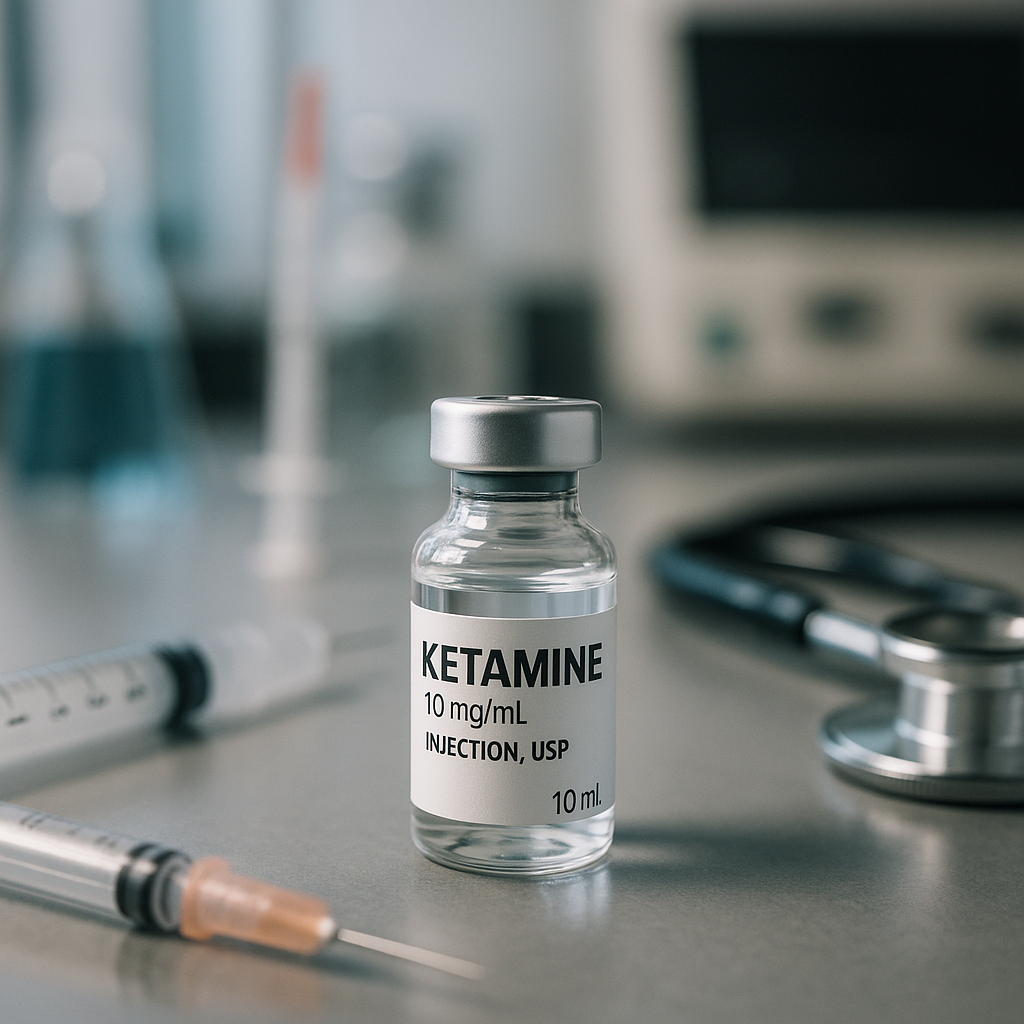
A Broader Problem with Ketamine Abuse
Observers have noted that while Sangha’s case is certainly significant, it is emblematic of a much larger problem. Ketamine abuse has been surging in recent years, with its profile shifting from a niche club drug to a substance with concerning social, medical, and economic repercussions. According to The Guardian, arrests related to ketamine trafficking jumped by 22% in the last year alone, reflecting heightened demand and failings in international oversight.
Ketamine remains a Schedule III substance in the United States, meaning it’s considered less dangerous than opioids but still subject to regulated use. Experts argue its dual identity — both as lifesaving medicine and harmful recreational substance — has complicated enforcement efforts globally.
Dr. Raj Patel, a substance abuse specialist, told NarwhalTV, “This case highlights a need for tighter control without compromising its legitimate medical applications. Addressing regulatory gaps must be prioritized, especially when influential individuals fall prey to these networks.”
Implications for Hollywood and Celebrity Addiction
The tragedy shines an uncomfortable light on Hollywood’s long-standing struggle with substance abuse. Perry himself was candid about his past battles, speaking openly about his addiction history in memoirs and interviews. His death follows a string of similar high-profile incidents, underscoring vulnerabilities unique to the entertainment industry.
Some experts believe the constant pressures of fame create environments rife with substance dependency. “It’s not uncommon for celebrities to turn to drugs as an escape mechanism,” said media and mental health analyst Linda Barrington. “That’s why control measures need to extend beyond simply policing dealers — access factors among high-risk populations also demand attention.”

What Comes Next?
Jasveen Sangha’s sentencing marks a notable legal precedent, particularly in cases involving less regulated substances like ketamine. Experts are calling for a multi-pronged approach moving forward, including stricter international drug trafficking laws, coordinated enforcement strategies, and expanded addiction treatment outreach.
There’s also growing interest in public awareness campaigns aimed at educating vulnerable populations — including celebrities — about the dangers of recreational substance misuse. Perry’s tragic demise could serve as a galvanizing moment, prompting a reevaluation of addiction stigma and policy priorities.
For authorities, this underscores the necessity of balancing criminal justice with rehabilitation. “What we need is a framework that recognizes both the supply side and the demand side,” says Dr. Patel. “It’s not only about shutting down operations like Sangha’s, but also addressing why these substances remain so tragically appealing to some.”
Conclusion: A Sobering Legacy
Matthew Perry’s death has undoubtedly left society grappling with profound questions about addiction, the human cost of unregulated drug markets, and responsibility for prevention. Jasveen Sangha’s 15-year sentence sends a sharp message, but whether it proves a deterrent remains to be seen.
Authorities, celebrities, and activists must now confront this uncomfortable crossroads. Without systemic change and aligned international efforts, the shadow cast by this incident risks becoming an all-too-familiar narrative.