Kid Rock’s ‘MAGA Fest’ Cancelled After Nearly All Its Acts Pull Out
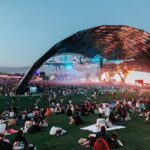
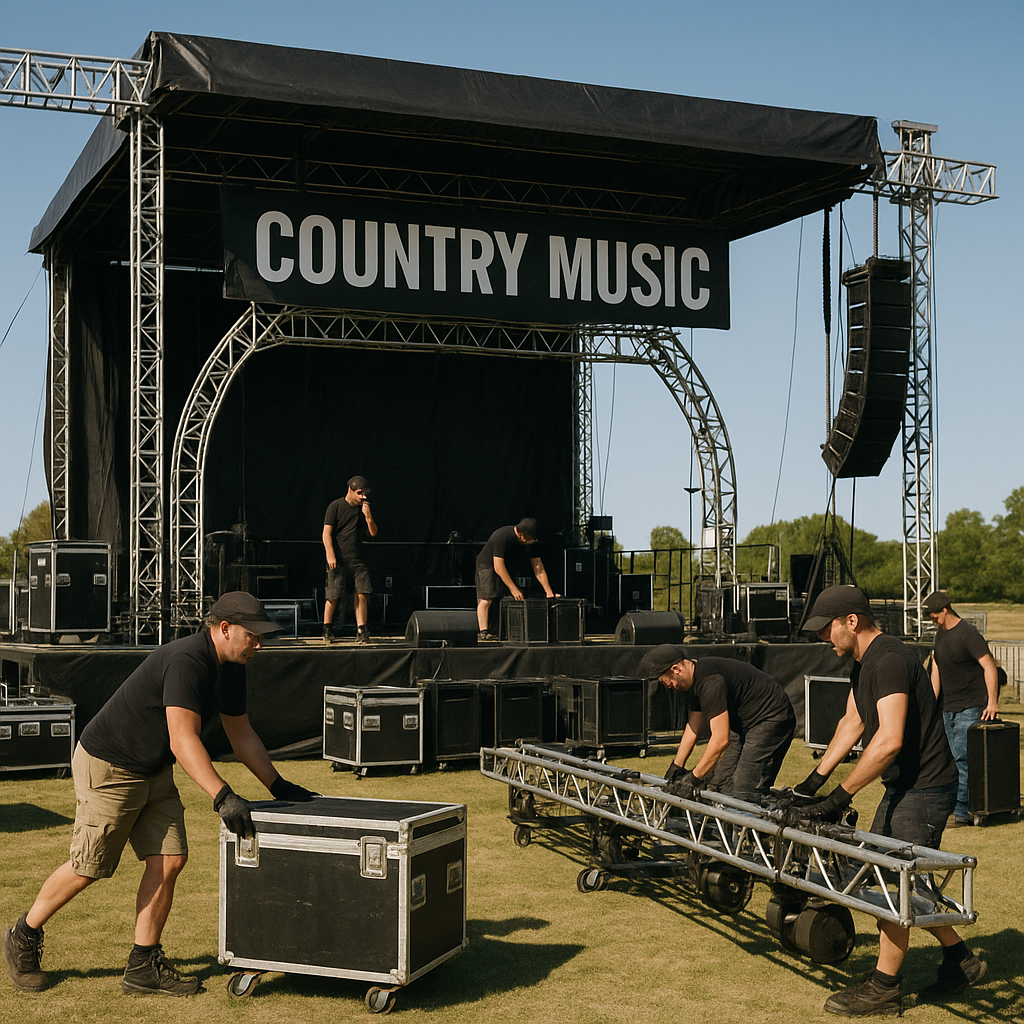
The highly publicized “MAGA Fest,” a country music festival spearheaded by rock-turned-country artist Kid Rock, has been abruptly canceled after a striking wave of artists pulled out from the South Carolina event. This dramatic dissolution has left industry observers analyzing the implications of this fallout, highlighting the interplay between entertainment, politics, and public perception.
The intersection of entertainment and politics is not unprecedented, especially when high-profile performers like Kid Rock, a vocal supporter of former President Donald Trump, use their platforms to cater to specific political ideologies. But the collapse of MAGA Fest adds a new layer of complexity to the tension between politics and artistic communities.
The Backstory: A Festival with a Mission
Kid Rock, known for blending rock, rap, and country in his music, has in recent years also positioned himself as a political figure. His vocal support for the Make America Great Again (MAGA) movement has shaped his public persona, attracting a like-minded cohort of fans and forging alliances with other conservative-leaning artists. With MAGA Fest originally planned as “a celebration of patriotism and freedom,” it sought to bring together high-profile names in country music while presenting itself as a rallying call for the MAGA community.
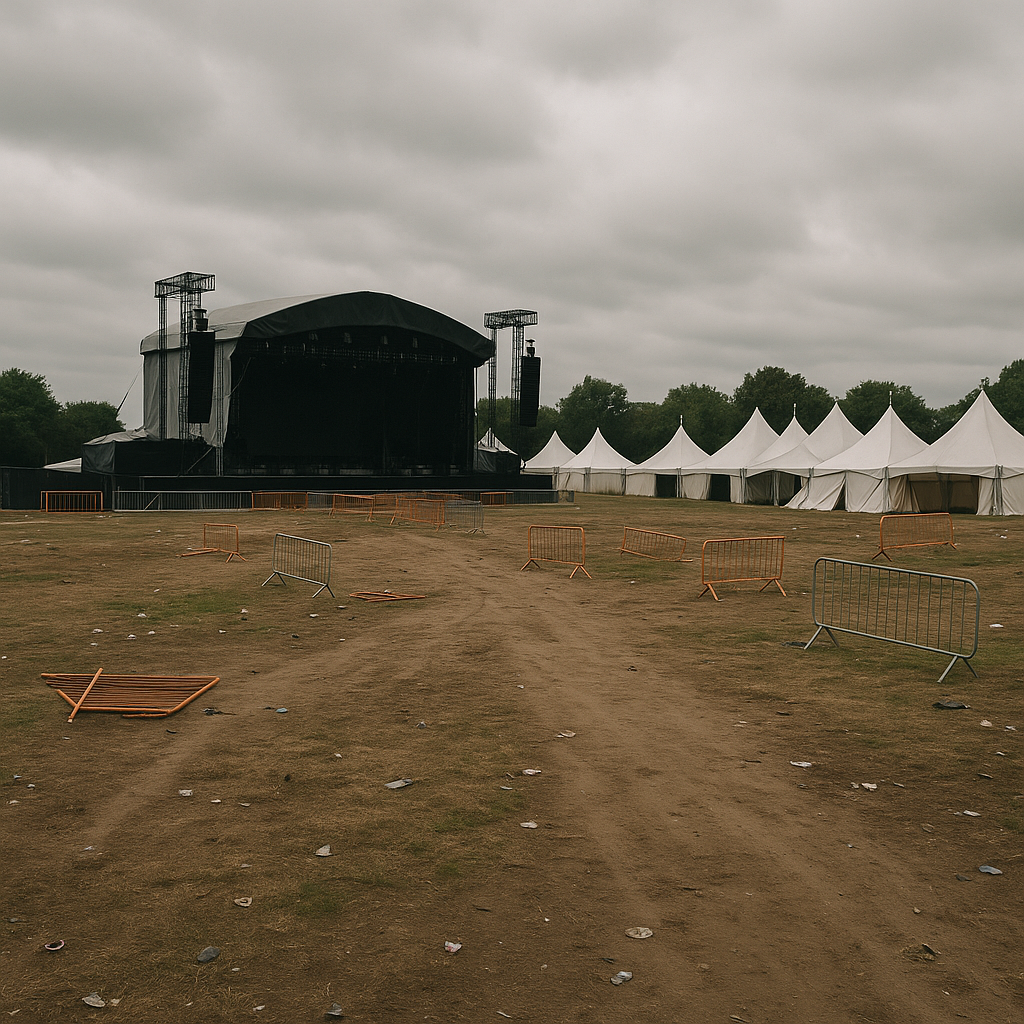
The festival was set to take place in South Carolina, a key battleground for political and cultural discourse. However, cracks began to form when artists initially slated for the event began to withdraw one by one, citing various personal and professional reasons. This snowball effect ultimately led to the festival’s organizers canceling the event entirely.
Artists Take a Stand, or Simply Steer Clear?
The rapid unraveling of the MAGA Fest has puzzled both fans and industry insiders. While the cancelation was ostensibly due to scheduling conflicts and personal issues cited by the departing acts, analysts argue that the festival’s overtly political branding may have alienated participating artists. Country music occupies a unique space in the American cultural landscape, often embracing patriotism, but many artists remain wary of explicit political entanglements that risk dividing their fan bases.
A representative from the country music industry, speaking anonymously, told The Independent, “For many performers, the decision to withdraw was more about protecting their broader audience appeal than making a direct political statement. Associating publicly with a polarized event like this can have long-term consequences.”
Criticism also mounted on social media and from commentators about the festival’s content, raising questions about whether an overtly political music event could succeed long-term. “The music industry thrives on authenticity and connection,” said a columnist from Rolling Stone. “When you inject polarizing politics directly into a format that’s meant to unify and entertain, you’re taking a significant risk.”
Kid Rock’s Polarizing Presence
The controversy surrounding MAGA Fest also reflects the challenges of managing a public persona tied to divisive politics. Kid Rock has repeatedly made headlines for unapologetically courting controversy, whether through inflammatory stage speeches or outspoken interviews.
While this approach has solidified his position as a hero within specific circles, it has equally alienated others, including music industry professionals who might otherwise collaborate with him. Such polarization seems to have directly impacted MAGA Fest, as the optics and associations with the event became untenable for many performers.
“It’s hard to separate the art from the artist in these circumstances,” said cultural critic Sandra Meyer in an interview with Billboard. “Events like this challenge artists to make choices about how far they’re willing to align their music and brand with someone else’s political narrative.”
The Broader Impact on Event Branding and Music Culture
The cancellation of MAGA Fest signals deeper challenges facing politically-themed festivals, especially in genres like country music, where fan bases often reflect a wide range of political beliefs. By leaning too far into partisan ideologies, events risk alienating not just audiences but also key collaborators. If artists perceive an event as a potential threat to their careers or reputations, their participation becomes unlikely—regardless of contractual commitments.
Additionally, this public failure could deter other high-profile performers from associating with politically-charged music events in the future. “The music industry has always been a delicate dance of balancing profit, personal expression, and public perception,” said entertainment analyst Laura Callahan. “This incident underscores how difficult it is to strike that balance when politics take center stage.”
For Kid Rock, who has previously drawn sellout crowds despite his controversies, the fallout from MAGA Fest might not be career-ending, but it does raise questions about how artists approach their political affiliations moving forward. Will artists now be more cautious about combining activism with entertainment, or is this merely an outlier in a broader trend of politically-themed events?
What’s Next for Kid Rock and Politically-Themed Events?
As Kid Rock and his team face the aftermath of MAGA Fest’s collapse, it remains to be seen whether they will attempt to scale back the overtly political branding of future events or double down on their current approach. While Kid Rock’s fan base remains loyal, the larger response from the industry may force a reassessment of his public ventures moving forward.
“This event should serve as a case study for anyone seeking to organize politically-charged events in the entertainment space,” said Mark Daniels, an event promoter familiar with high-profile festivals. “The key takeaway here is that building walls between audiences, rather than bridges, often spells failure for events inherently meant to bring people together.”
As for the broader implications, analysts will continue to watch how this impacts future music festivals and political branding. If MAGA Fest is any indication, the risks of blurring political and cultural lines in entertainment may outweigh the rewards.