Kid Rock’s MAGA-Friendly Country Music Festival Faces Cancellation in South Carolina
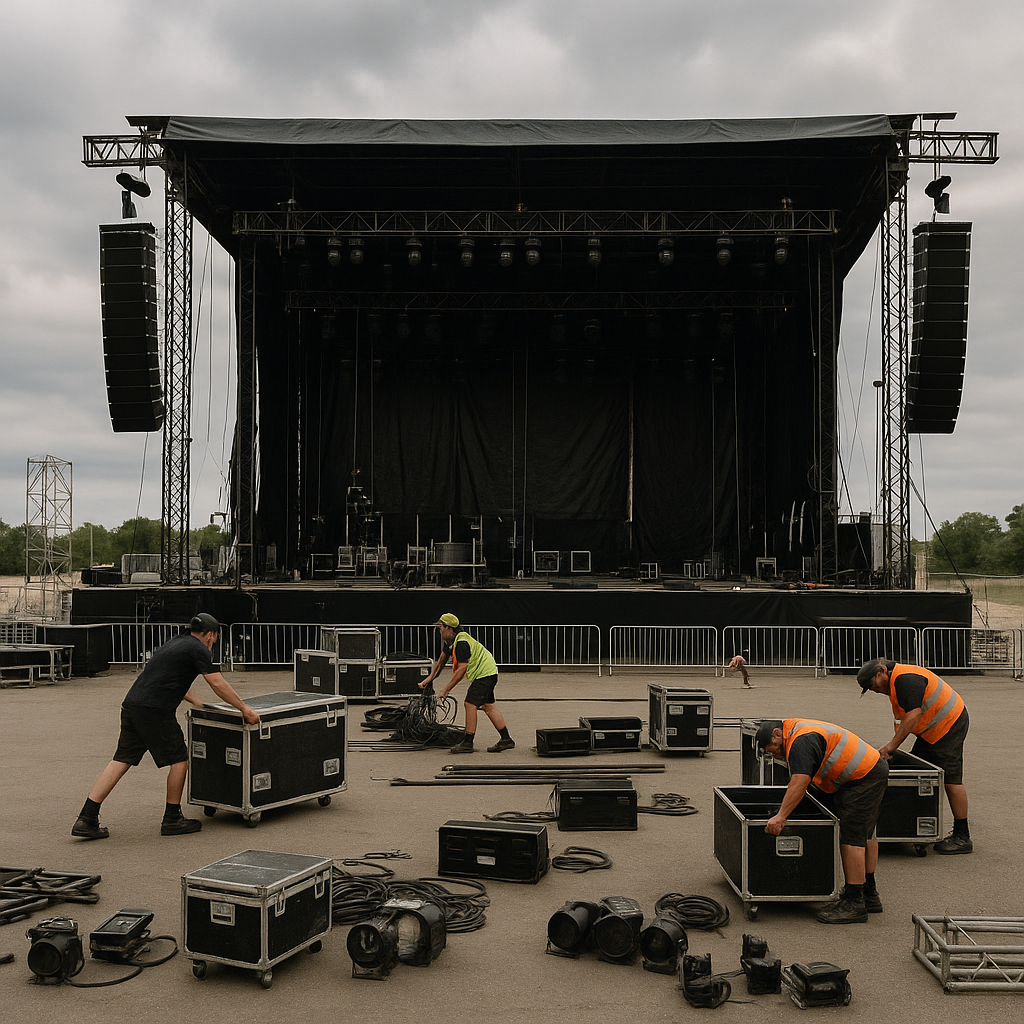
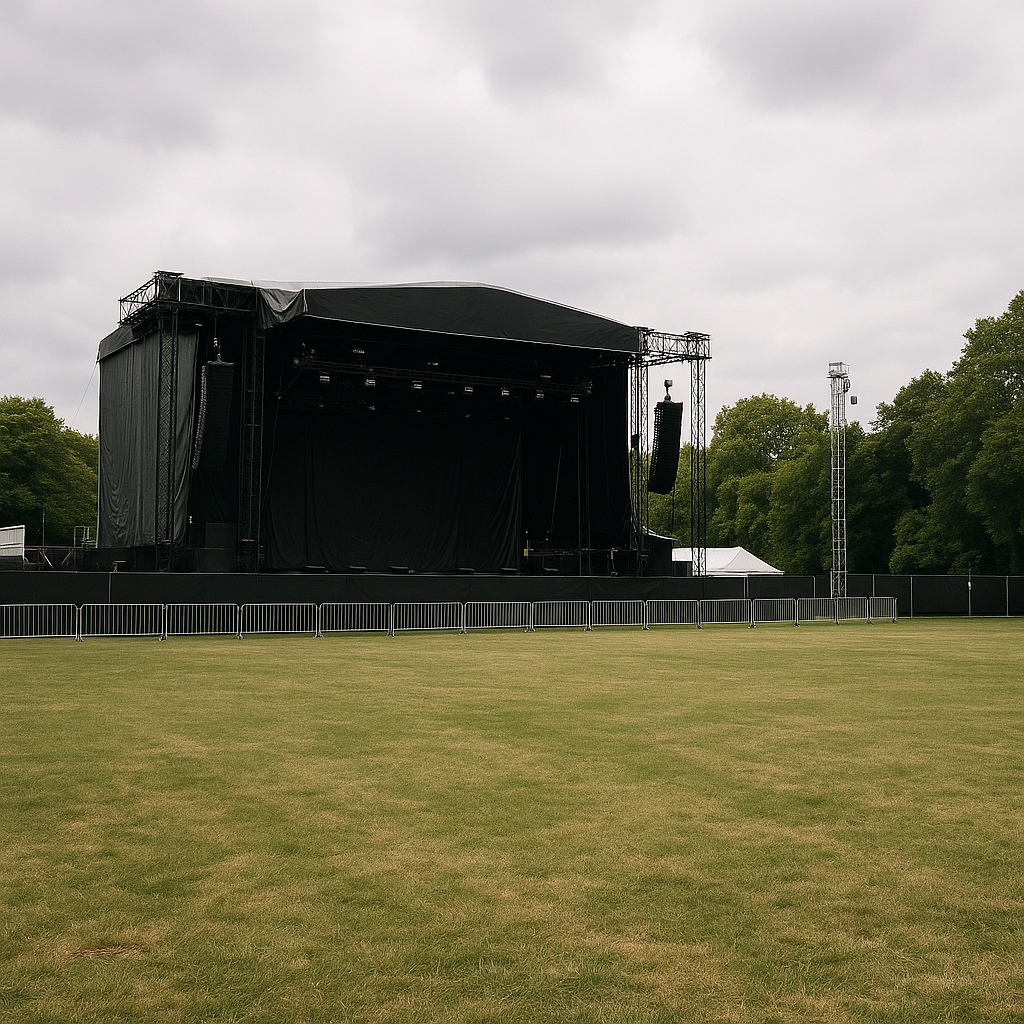
In an unexpected blow to Kid Rock’s much-touted “Rock the Country” festival, the Anderson, South Carolina stop of the event has been canceled, marking a significant setback for the country music celebration that has been branded a “MAGA fest” by critics. The festival, which was slated to take place in eight cities nationwide, will no longer make its two-day Anderson stop, originally planned for July 25 and 26. The reasons behind the cancellation point to deeper challenges within the event’s branding and the unavoidable interplay of music with evolving political discourse.
A Promising Start for “Rock the Country”
Initially launched in 2024 by Kid Rock, “Rock the Country” was envisioned as a celebration of not just country music, but also community and tradition. By all accounts, the festival seemed to fulfill its mission during its first two years, significantly boosting local economies. Rusty Burns, the Anderson County administrator, stated, “Anderson County has been proud to host Rock the Country for the past two years. The event was a huge success, drawing tens of thousands of visitors and generating a multi-million-dollar economic impact on the Upstate.”
The festival quickly became known for its fervent Americana themes, featuring a roster of heartland artists and performers with crossover appeal. This year’s lineup, for example, boasted big names in the countrified rock world like Jason Aldean, Shinedown, Gretchen Wilson, and Brantley Gilbert. However, the festival also garnered criticism for its political undertones, with some deriding it as little more than a rally for Kid Rock’s often-polarizing, Trump-aligned views.
Artists Drop Out Amid Controversy
What looked to be another successful run for “Rock the Country” in 2026 began to unravel in recent weeks, as key performers started withdrawing from the event. Notably, rock band Shinedown announced their decision to pull out just days before the Anderson cancellation was made public. In a statement, the band emphasized their focus on unity in an increasingly divided time. “We feel that we have been given a platform to bring all people together through the power of music,” they noted, adding, “We do not want to participate in something we believe will create further division.”
Their decision echoed a broader discomfort from other artists on the lineup. Rapper Ludacris, for example, claimed his inclusion in the festival roster was a mix-up, while other acts such as Creed and Morgan Wade reportedly exited without issuing public comments. While no formal announcement from the festival organizers has addressed these exits directly, the cascading departures certainly painted the festival into a difficult corner.

A Broader Cultural and Political Ripple Effect
The backlash against the festival’s political associations reflects broader cultural tensions in the world of music and entertainment. While Kid Rock has made little secret of his conservative views, including MAGA-aligned messaging in both interviews and performances, the blending of music with partisan politics appears to be alienating some artists and fans. As noted by Billboard, Kid Rock has increasingly positioned himself as a figure for people who “love America, love football, and love Jesus,” but this narrow appeal may have inadvertently excluded parts of his audience.
This isn’t the first time that music events with explicitly political undertones have faced backlash. Controversy erupted just earlier this year when Turning Point USA hosted an alternative Super Bowl Halftime Show featuring Kid Rock, Brantley Gilbert, and others in direct competition with Bad Bunny’s official halftime performance. According to Newser, while the event attempted to rally fans of patriotic and traditional music, it was met with widespread criticism online for its insular and one-sided messaging.
Economic Fallout and Future Implications
The cancellation of the South Carolina stop undoubtedly has financial implications, especially for Anderson County. Burns emphasized the economic significance of “Rock the Country,” which in its previous two years brought in tens of thousands of visitors and helped to solidify the community as a destination for major events. It is likely, however, that other festivals and events will seize this opportunity to step into the void left by Kid Rock’s festival.
For the broader country music scene, this episode highlights the growing divide not just between fans, but between artists themselves. The decision by Shinedown and others to exit the festival underscores a rising reluctance from musicians to align themselves with overtly politicized events. This could shape booking decisions and festival lineups further down the line, as more artists and organizers weigh the risks of political controversy against their creative and commercial goals.
What Comes Next for “Rock the Country”?
With days of silence from “Rock the Country” organizers and the loss of key performers, questions remain about the fate of the festival’s remaining stops. Will it succeed in regaining momentum and avoiding further controversies, or will it face hurdles similar to those encountered in South Carolina? One way forward could involve focusing on broadening the event’s appeal to unite audiences in the spirit of music, rather than division through ideology.
Anderson County, for its part, remains optimistic about its entertainment future. “We are already planning additional major events and look forward to exciting announcements to come,” said Burns, emphasizing the region’s ongoing commitment to bringing high-quality arts to the area. That optimism may offer a potential silver lining, suggesting that while “Rock the Country” falters, the stage is set for new opportunities that bring people together, rather than drive them apart.
As the dust settles around this latest setback for Kid Rock’s festival, one thing is clear: the intersection of music and politics remains as divisive as ever. Whether it’s the culturally charged rhetoric of “Rock the Country” or the dueling halftime shows of the Super Bowl, the path forward for the music industry may well depend on finding ways to rebuild trust and foster unity. For now, the next act in this ongoing saga remains anyone’s guess.