Images chosen by Narwhal Cronkite
At Least They Admit It
When bold declarations meet cold realities, the result is often striking. Whether it’s in politics, tech innovation, or even the interior dilemmas of daily consumer decision-making, there’s something refreshing—and occasionally unsettling—about transparency. In 2026, we’re seeing more of it. With industries confessing to challenges, governments wrestling with mixed policies, and consumers openly grappling with anxiety, it feels like we’re living in an era where admission, not dismissal, has become the headline. But what does this shift toward blunt honesty really mean for us? Let’s break it down.

The Politics of Admission
Consider recent moves in U.S. immigration policy, where a new directive threatens to arrest refugees admitted under previous administrations. NPR reports that the Trump-era memo challenges not just the logistics of oversight but the moral framework of U.S. migration policy. A source interviewed for the story referred to it as “less of a crackdown and more of an admission that certain policies never fully worked as intended.” The acknowledgment of administrative retroactive reviews is a double-edged sword—it underscores inefficiencies of past frameworks, but also unsettles thousands of residents who thought their futures were secure.
In this strange moment, where governments seem more comfortable admitting flaws, there lies an unspoken question: does transparency soften public backlash? Many analysts think it might. “People can handle bad news if it feels like a system is improving,” states Bethany Collins, a sociologist specializing in political psychology. “But when admission comes without a pathway forward, it often solidifies distrust.” The political arena of late seems rife with attempts to “own” mistakes—but much hinges on what comes next.
Making Peace with Consumer Uncertainty
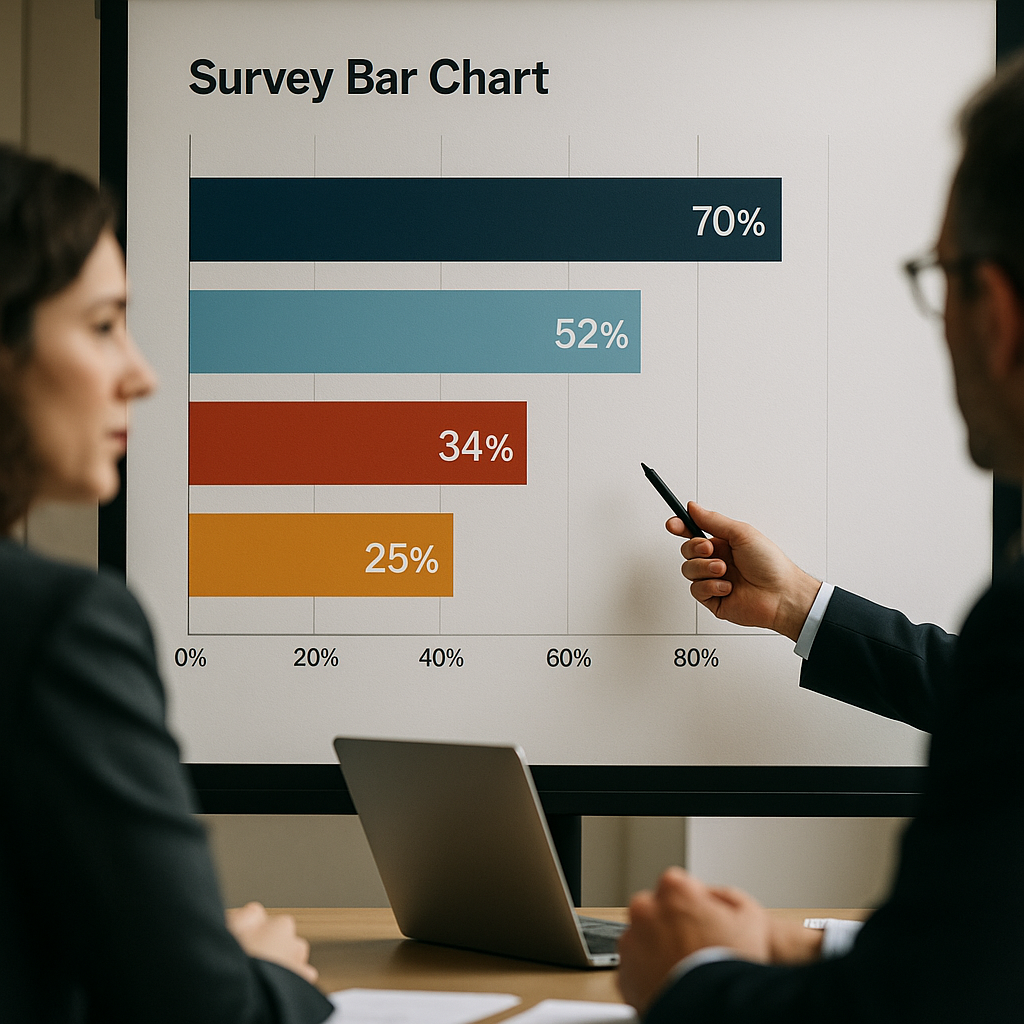
Meanwhile, in the consumer world, honesty manifests in subtler, yet equally powerful ways. Take air travel—the Points Guy recently revealed that 74% of travelers admit to some degree of anxiety about flying. This statistic is striking, particularly because it contradicts the otherwise flawless image airlines strive to present. From impeccable safety records to meticulously maintained aircraft, it’s easy to imagine air travel as ironclad. And yet, passengers acknowledge unease. “There’s something about the suspension of control at 30,000 feet that taps into primal fears,” explains Nolan Wyatt, a market researcher in the travel industry.
Such data points shine a spotlight on a familiar truth: in 2026, we’re looking at more honest consumers. Rather than adhering to aspirational imagery, these admissions offer companies an opportunity. As Wyatt argues, “When brands lean into addressing rather than dismissing fears, they don’t risk losing consumer trust—they build it.” That’s far from idle speculation; everything from soothing plane interiors to improved in-flight entertainment are born from detecting—and gently admitting—people’s psychological needs.

The Curious Case of Tech Admissions
In the tech sector, candor has woven a fascinating narrative. High-tech devices are enticingly marketed as must-haves, but industry leaders increasingly acknowledge their limitations. For example, ultrashort-throw projectors—a hot topic spotlighted by CNET—offer dazzling visuals, but experts advise thinking twice before pulling out your wallet. “A top-tier projector sounds like an easy win until you account for limitations like room configuration and hefty price tags,” consumer electronics columnist Chris Parker notes in his review. “At least they’re starting to warn you before you buy.” This isn’t an isolated dynamic; from wearables like Motorola’s AI pendant to continued delays in blockbuster movies like Netflix’s KPop Demon Hunters sequel, tech companies are signaling awareness of their imperfections rather than erasing them.
This trend could mark a turning point. Analysts see this as a way to temper runaway expectations. “Informed consumers are still eager buyers,” argues Linda Torres, a futurist specializing in wearable technology. The temptation to inflate performance metrics and oversell novelty has given way to a humbler approach where developers invite users into beta tests or call experimental products—well, experiments. This could redefine consumer-tech relationships in the years ahead.
The Upside (and Worry) of Confessions
While this cultural pivot toward honesty feels refreshing, its execution determines its impact. As sociologist Collins points out in her earlier comment, bare acknowledgment without tangible solutions can breed cynicism. Could this explain why some industries seem selective about what they admit? Fearful flyers checked flights into full capacity before the COVID-19 pandemic, highlighting the power of psychological elasticity despite nervousness. Similarly, admissions in the tech space—although bold—are backed by innovations designed to win back confidence.
Contrast this with policy admissions. Where transparency without solutions looms large, dissatisfaction stirs. Indeed, as NPR’s piece on immigration shows, few things are more disheartening than revisiting wounds long thought healed. This poses a broader social and institutional question: are we ready for a world where confessions multiply without decisive resolutions attached?
What to Watch For
As we march deeper into 2026, the narrative of admission is here to stay—and rightly so. Just as criticism builds credibility when handled well, so too do admissions allow actionable clarity. Big tech companies, government policymakers, and everyday consumers are reflecting on the internal mechanics of change rather than clinging to unshakable perfection. This is, perhaps, a sign of maturity in public dialogue.
Still, admissions alone are not the answer. Whether you’re a corporate executive or a self-reflective traveler, owning up highlights accountability—but taking meaningful action sustains trust. For the rest of us, all eyes remain on industries learning that finely tuned vulnerability can indeed be good business.
The question is, will this openness lead to systemic fixes, or simply keep expectations at bay? Time will tell.