Images chosen by Narwhal Cronkite
Lord Help Us Tomorrow: Analyzing the Uncertainty Ahead
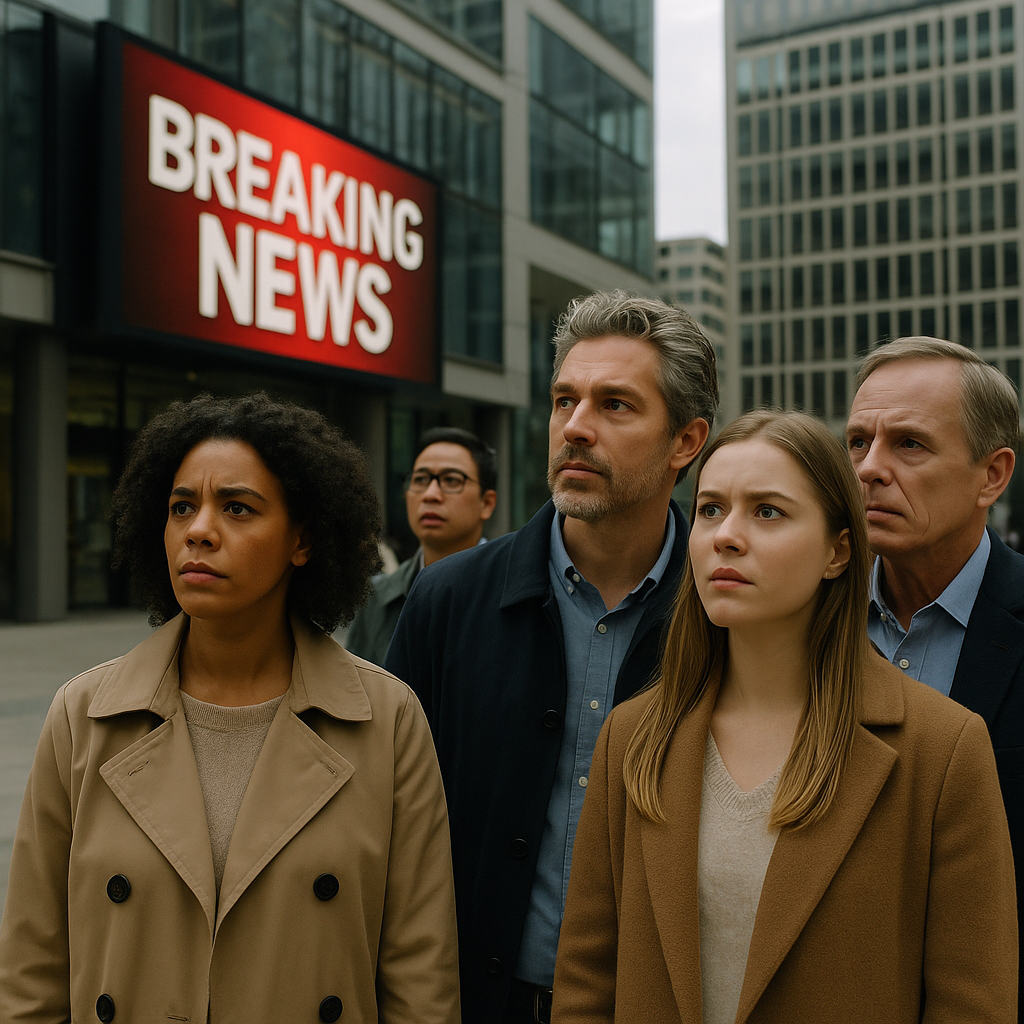
Few moments in history cause such unease that the collective consciousness seems to echo the same sentiment: “Lord help us tomorrow.” These words, often uttered in times of uncertainty, seem to hang in the air right now, reflecting a global audience braced for the unknown. But are we as prepared as we hope to be—or as unprepared as we fear?
With the tidal waves of economic shifts, political turbulence, and technological evolutions advancing at breakneck pace, staying afloat requires more than just resilience—it demands foresight. This article unpacks what lies beneath this shared feeling of anticipation and explores how different sectors and communities are positioning themselves for what’s ahead.
The Economic Storm Brewing
Economies across the globe find themselves dangling on a precarious edge. According to The Financial Times, inflation rates remain a pressing concern, with central banks continuing to navigate the tightrope between interest rate hikes and economic growth. The U.S. Federal Reserve, for example, has indicated its hawkish stance on curbing inflation but risks triggering a slowdown. European economies face similar challenges, compounded by the ongoing energy crisis and geopolitical tensions with Russia.
“Economic resilience varies considerably from region to region, but uncertainty is the one constant,” said Charles Maynard, a senior economist interviewed by Reuters earlier this month. “What’s clear is that the decisions made in the next few days and weeks will ripple far and wide for months to come.”
This volatility has pushed investors into a defensive stance. TechCrunch notes a cooling in venture capital investments, while general market activity points to higher demand for safe-haven assets like gold and government bonds. Economic analysts suggest that while some sectors are merely bracing for impact, others might already be in the throes of recessionary trends.
Technology Transitions: Innovation or Overstretch?
Adding another layer to the global unease is the disruptive pace of technological advancements. Generative AI tools, for example, have introduced transformative innovation—along with significant ethical and regulatory concerns. The Washington Post recently reported that AI adoption across industries continues to accelerate, but with it comes the destabilizing potential of workforce displacement.
“AI represents both a monumental leap forward and a growing existential question,” noted Clara Liu, a tech analyst quoted in The Verge. She added, “Industries now face tough decisions about balancing automation with human labor. This is no longer a theoretical problem; it’s today’s challenge.”

Additionally, cybersecurity threats loom large. A report from Wired highlights the vulnerabilities exposed by rapid digital transformations, particularly in an era where geopolitical conflicts increasingly involve cyber warfare. The integration of digital finance, AI-driven healthcare, and smart cities paves the way for unprecedented convenience—but also makes society more fragile to attacks.
Political Crossroads: Tensions Run High
Global political landscapes add another layer of uncertainty to the mix. The Guardian recently covered the unpredictable consequences of shifting alliances, with regions like the Indo-Pacific becoming focal points for superpower competition. Meanwhile, The New York Times reported escalating internal divisions within democratic nations, highlighted by political gridlocks and rising populism.
“We are at a crossroads where international cooperation is crucial, but domestic agendas often take precedence,” said Dr. Elena Pavlovich, a political scientist specializing in global governance. “This dynamic is particularly evident in responses to climate change, where we see ambitious targets but inconsistent follow-through.”
Indeed, the climate crisis remains an ever-present threat. The International Energy Agency (IEA) warns that meeting global net-zero targets by 2050 requires urgent action now. Yet, major emitters like China, the U.S., and the European Union often grapple with economic and political constraints that hinder large-scale reform.
The Human Response: Resilience Amid Chaos
Despite these challenges, there is a quiet resilience in how individuals and communities choose to face tomorrow. Social scientists point to a growing emphasis on mental health, community building, and sustainable practices as hopeful signs of a more grounded approach to uncertainty.
The mental wellness industry, for example, has seen a surge in demand, particularly for digital solutions like mindfulness apps and teletherapy. According to Bloomberg, these services now represent a $4.5 billion industry, underscoring the public’s desire for tools to mitigate stress and build resilience. Experts suggest that these intangible shifts in societal priorities may well be the key to navigating future uncertainties.

Moreover, grassroots initiatives worldwide are stepping in where governments falter. From urban farming collectives tackling food insecurity to online communities volunteering for climate action campaigns, individuals are taking measured but impactful steps toward a better future.
What to Watch Next
As the world feels the weight of a collective breath held in suspense, tomorrow carries immense significance—not just as a single day, but as a representation of what comes next for humanity. Policymakers must act decisively to address the economic, technological, and political challenges pressing down on global wellbeing.
For individuals, the lessons are clear: resilience, adaptability, and community are vital to weathering the storm. At the same time, keeping a close eye on broader trends in monetary policy, technological shifts, and geopolitical movements will be essential in remaining vigilant and prepared.
The future may seem uncertain, but it is not unmanageable. The choices made today, whether by governments, companies, or individuals, will define the course of what lies beyond. If there’s one thing humanity has shown throughout history, it’s the ability to endure, innovate, and thrive.
So, we keep moving forward, and as a popular sentiment suggests: Lord help us—not just tomorrow, but every day we strive to build a better world.