Images chosen by Narwhal Cronkite
Ludwig Göransson Wins the Academy Award for Best Original Score for ‘Sinners’
In a night filled with cinematic brilliance and emotional wins, Ludwig Göransson walked away with the Oscar for Best Original Score at the 96th Academy Awards for his hauntingly beautiful work on Sinners. Göransson, a Swedish composer known for his genre-defying versatility, has now solidified his prominence in Hollywood, blending modern soundscapes with traditional orchestration that pushed the boundaries of film music.
An Evocative Score that Stunned Critics and Audiences Alike
Listening to Göransson’s score for Sinners is akin to embarking on an emotional journey; it captures not only the themes of redemption and moral ambiguity woven into the film’s narrative but also immerses audiences into its world with unparalleled depth. The film, directed by acclaimed filmmaker Elena Vasquez, tells the story of a pastor grappling with his faith after a fall from grace. Göransson’s score accentuates the tension and spirituality of the story with a rare finesse.
Many reviewers hailed the score as one of the greatest assets of the film. As noted by Variety, Göransson “blends ethereal vocals, brooding violins, and subtle modern digital effects to craft a sound uniquely suited to the film’s thematic weight.” This win marks Göransson’s second Oscar, following his earlier Academy Award for Black Panther (2018), where he showcased his ability to merge African instrumentation with orchestral grandeur.
The Creative Process Behind the Music
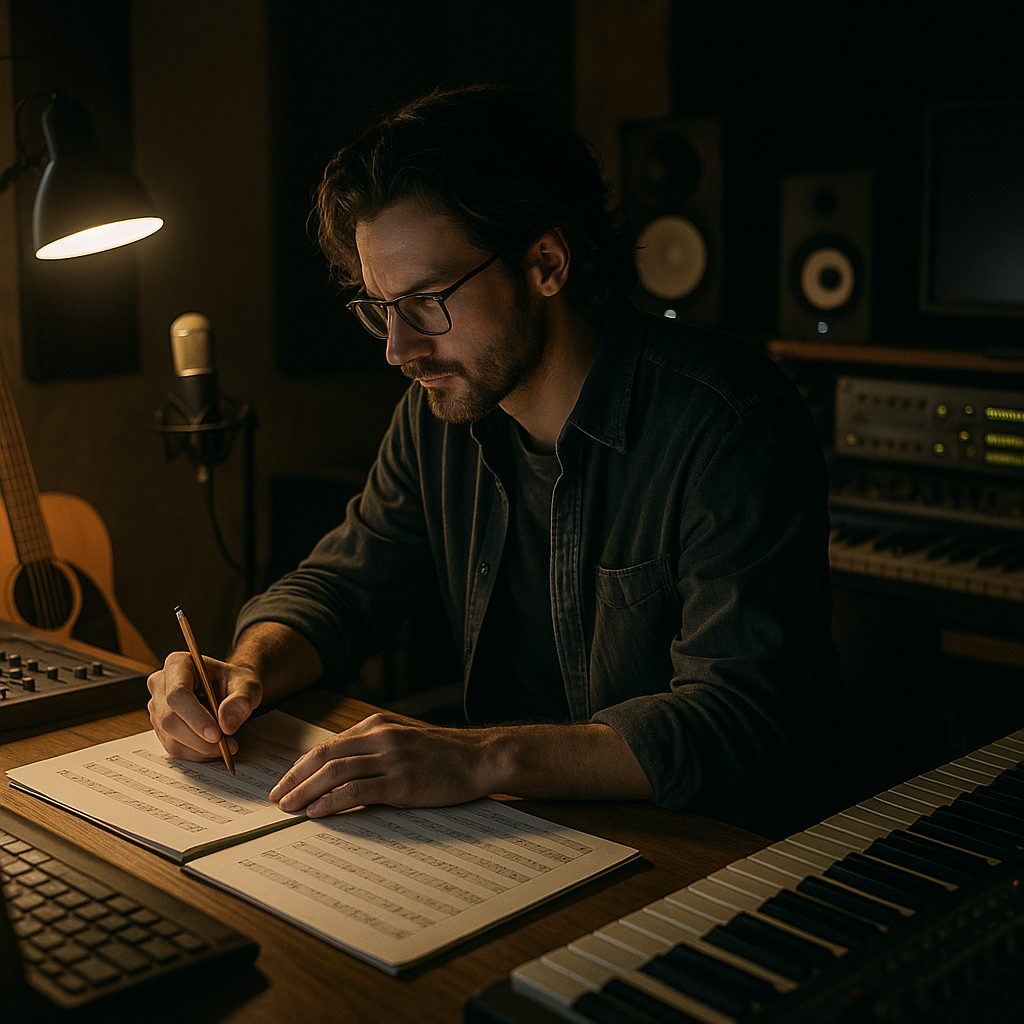
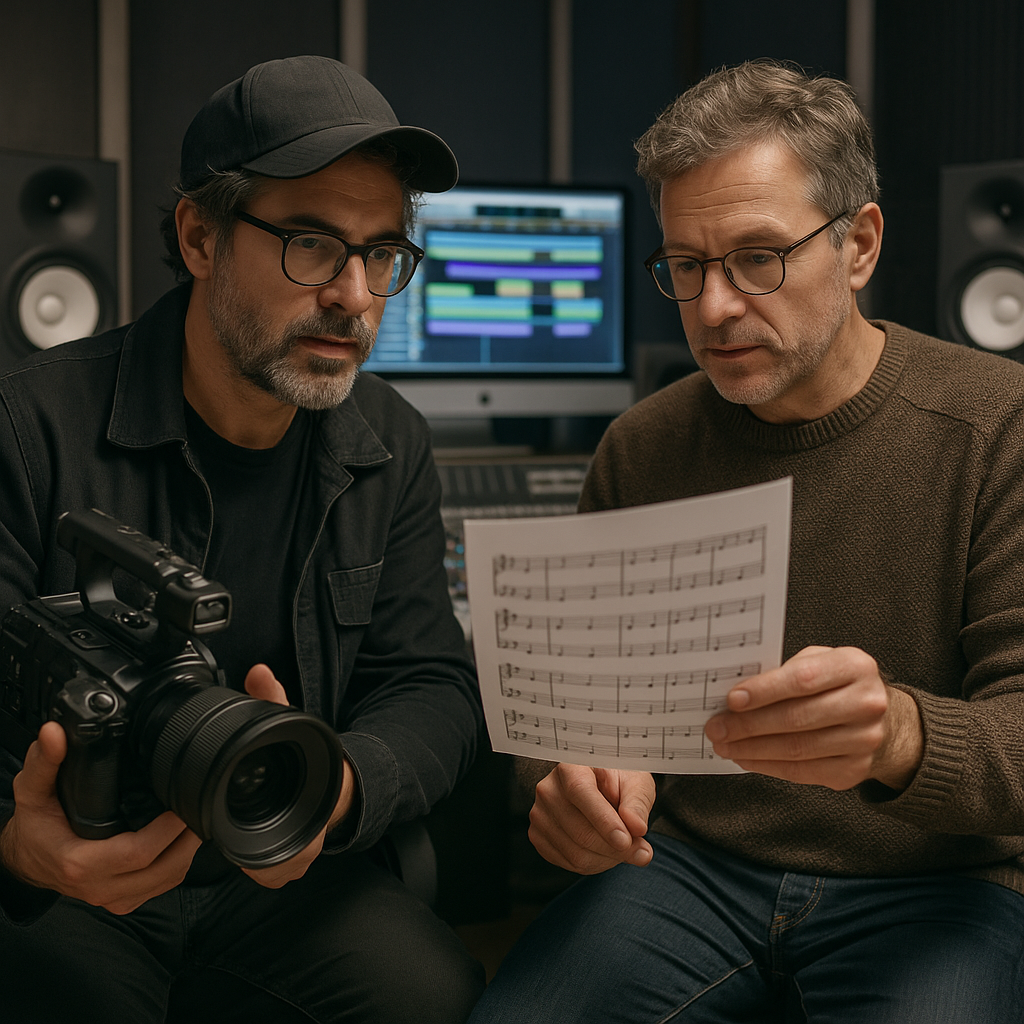
Creating music for a film as thematically layered as Sinners is no small feat, and Göransson approached the project with a blend of technical depth and a sense of artistry. In interviews, Göransson shared how he spent time collaborating closely with Vasquez during pre-production to ensure the score would organically evolve with the story. “I wanted the music not just to follow the actions of the characters, but to evoke the emotions they were too afraid to confront,” Göransson told The Hollywood Reporter.
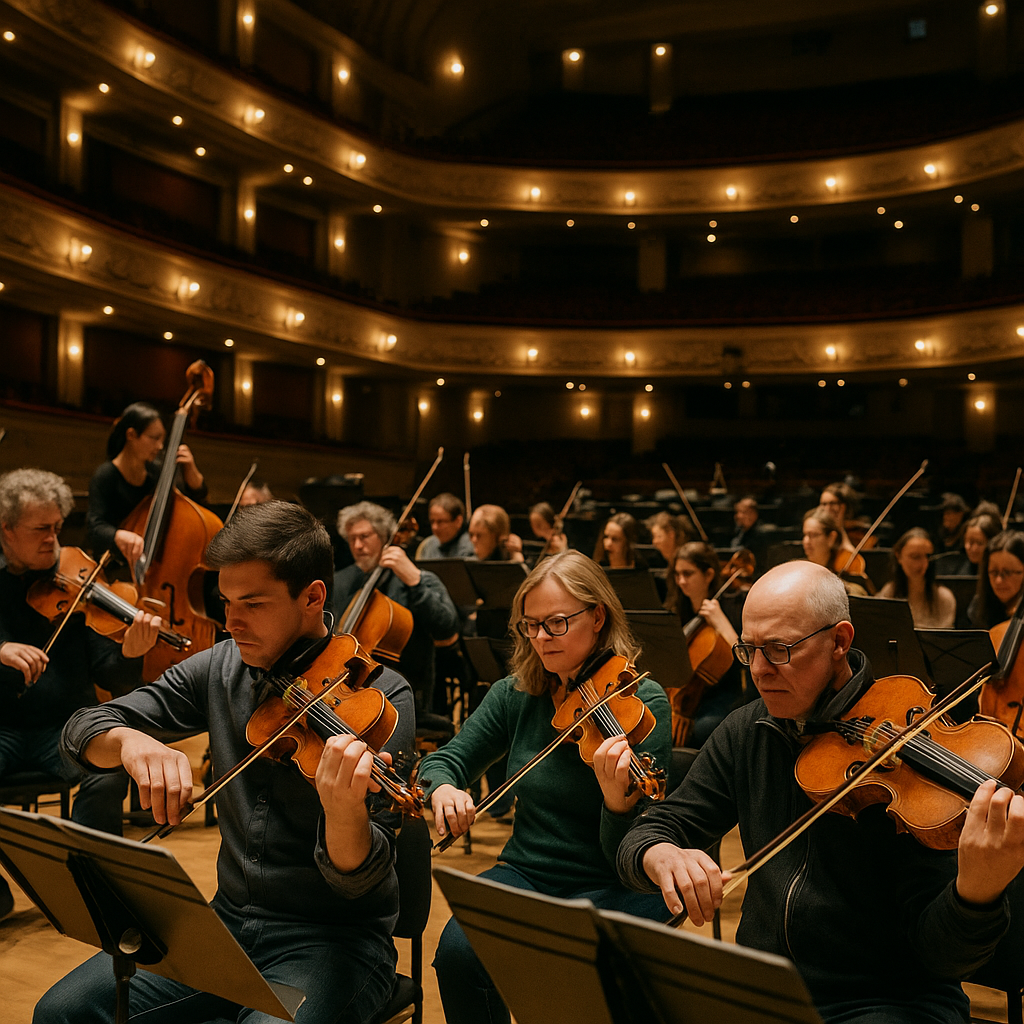
To achieve this, Göransson worked with a variety of musicians, including a full orchestra and experimental vocalists. He also incorporated rare choral elements recorded in remote European basilicas. The result is a score that feels both divine and unsettling — a perfect counterpart to the struggles of guilt and spirituality depicted on screen.
His approach highlights how the role of a composer extends far beyond writing music; it’s about translating abstract emotions into sound. Göransson’s attention to detail—and his ability to blend genres seamlessly—has earned him tremendous respect in an industry that increasingly values eclecticism.
Ludwig Göransson: A Career Defined by Versatility
Few composers in contemporary cinema have demonstrated the range and adaptability of Ludwig Göransson. From his early collaborations with director Ryan Coogler on Fruitvale Station to his groundbreaking composition for Tenet, Göransson has established himself as a modern maestro of storytelling through music. His work spans everything from hip-hop collaborations — most notably with Childish Gambino on the chart-topping track “This Is America” — to prestige television series like The Mandalorian, for which he won an Emmy Award.
This diversity has bolstered Göransson’s reputation not only as a composer but as a trendsetter in the music world. According to Indiewire, Göransson “has redefined what audiences can expect a film score to achieve, serving not only as an emotional undercurrent but as a character all its own.” Fellow composers have also praised Göransson for his innovative spirit within an industry often seen as adhering to conventional techniques.
What This Win Means for Film Music
In recent years, the Academy has increasingly prioritized unconventional and experimental scores, signaling a shift in how music is valued in cinema. Göransson’s win for Sinners serves as confirmation of this trend, where music that challenges traditional boundaries is celebrated. Composers like Hildur Guðnadóttir, who won for Joker in 2019, and Trent Reznor and Atticus Ross, known for their work on The Social Network and Soul, are among this movement’s key figures.
Industry observers point out that this cultural shift coincides with the evolution of viewing habits. As content proliferates on streaming platforms, scores have become more vital in keeping audiences hooked and conveying the artistic vision of filmmakers. Göransson’s win, therefore, underscores the evolving landscape of film composition—one that embraces boldness and individuality in musical storytelling.
What’s Next for Göransson and the World of Film Scoring
As Göransson’s latest recognition cements his legacy, what can fans and industry professionals expect next? The composer has already teased an upcoming collaboration with director Christopher Nolan for a still-untitled sci-fi project. Additionally, Göransson’s knack for balancing blockbuster soundtracks with intimate, smaller-scale projects suggests he’ll continue to leave his mark on both ends of the cinematic spectrum.
Moreover, Göransson’s win continues to push the boundaries of what film music can achieve, encouraging newer composers to take risks and dive into uncharted sonic territory. The broader implication is that audiences may witness even more innovative scores in mainstream Hollywood films moving forward.
As for Sinners, Göransson’s Oscar win is an important milestone not only for the film itself but for its director, Elena Vasquez, whose seamless artistic partnership with Göransson has been widely praised. Vasquez’s poignant storytelling combined with Göransson’s haunting melodies made Sinners an undeniable standout this awards season.
With a career trajectory that shows no signs of slowing down, Ludwig Göransson has become an emblem of what’s possible when a composer goes beyond convention—and film music lovers everywhere will be watching closely to see what he creates next.