Images chosen by Narwhal Cronkite
MAGA-Friendly ‘Rock The Country’ Event in Anderson Canceled Amid Political Division
Event Cancellation Sparks Debate Over Politics and Music
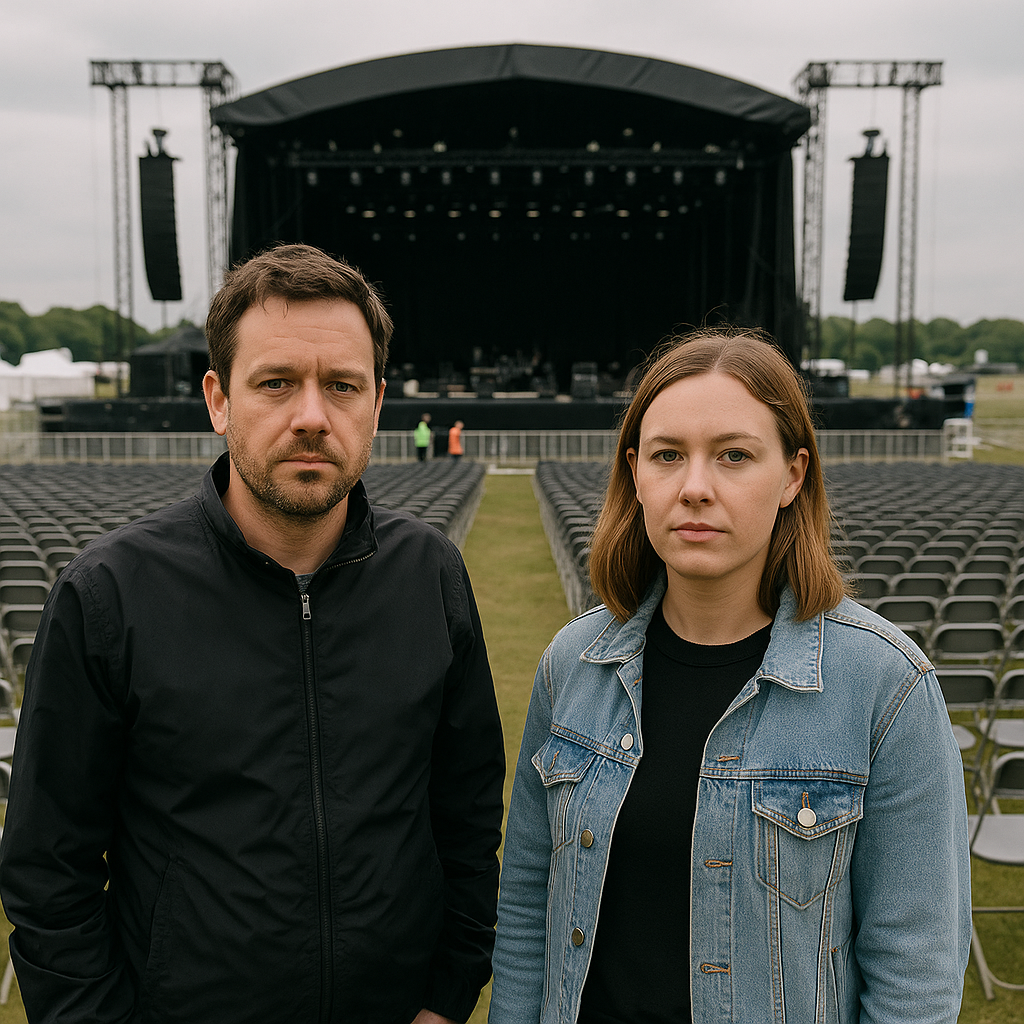
In a surprising turn of events, the highly anticipated “Rock The Country” music festival in Anderson, South Carolina, has been called off. The two-day event, part of a nationwide tour spearheaded by country-rock star Kid Rock, had promised a celebration of music and patriotism, coinciding with America’s 250th anniversary. Yet, the cancellation comes on the heels of several prominent bands withdrawing, with at least one citing concerns over political division.
Anderson County officials revealed that news of the event’s cancellation came abruptly on the evening of February 5. Despite the county standing to gain millions in economic impact from the concert, which was expected to attract thousands of attendees, the plug has now been pulled. Industry observers suggest the controversy surrounding the event’s political undertones may have played a pivotal role.
High-Profile Artists Withdraw Over Political Concerns
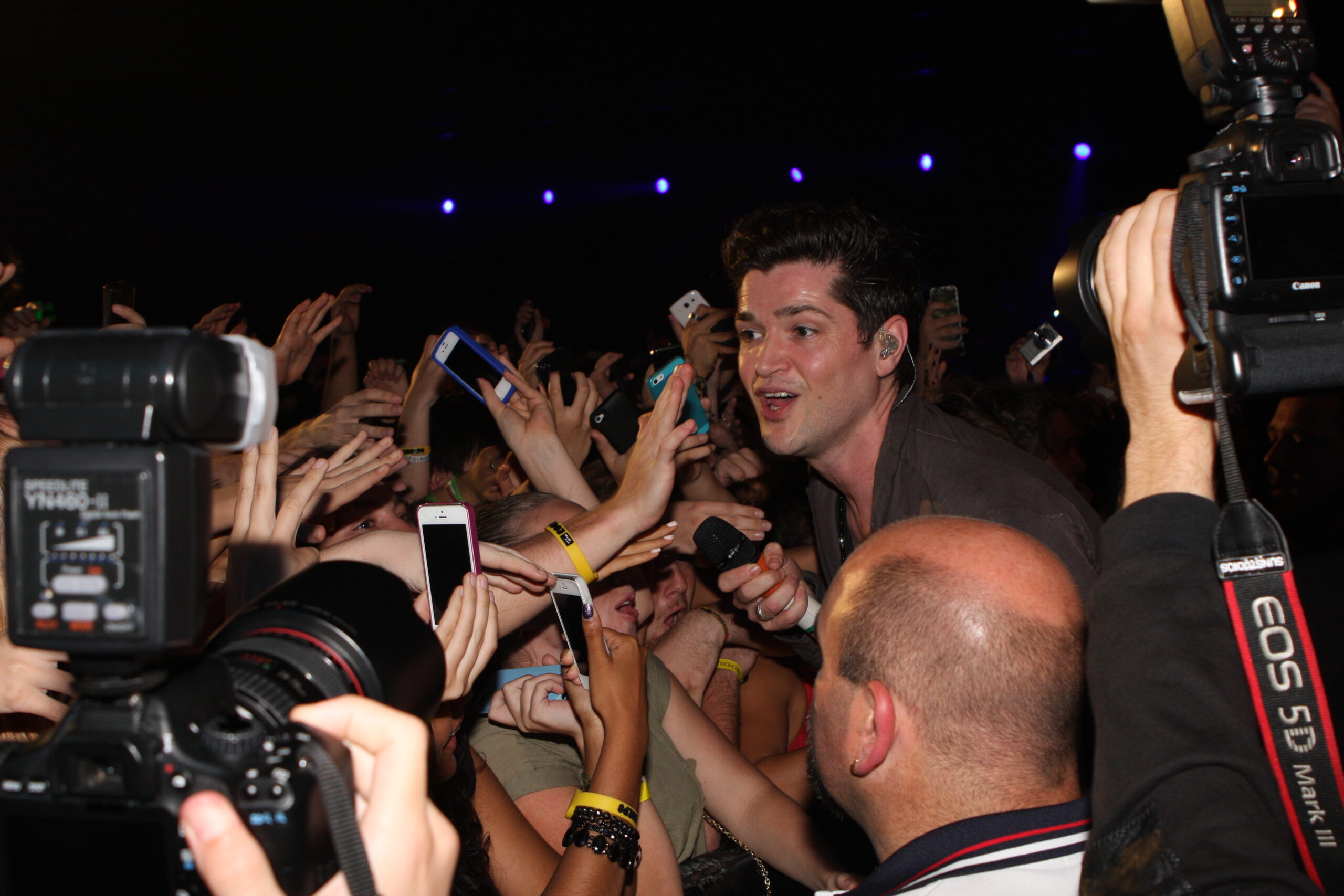
The fallout began when bands and musicians started dropping out of the lineup, with their reasons ranging from scheduling conflicts to a desire to avoid polarizing audiences. Shinedown, a rock band with a substantial following, took the bold step of publicly addressing their decision.
“SHINEDOWN is everyone’s band,” the group stated on social media. “We feel that we have been given a platform to bring all people together through the power of music and song. Our band’s purpose is to unite, not divide.” Their statement made clear that they wouldn’t participate in an event they believed could deepen political divides, prompting a mix of support and criticism from fans.
Other performers quietly exited the lineup, including country artists Morgan Wade and Carter Faith, as well as rapper Ludacris. Industry observers have speculated that their exits likely stemmed from similar concerns, though public statements were limited in their specificity. Presently, the event’s official website has also removed the planned Anderson stop, suggesting deeper ramifications for the tour.
Economic and Cultural Impacts in Anderson
The event’s cancellation poses a significant economic setback for Anderson County, which projected major financial benefits from the influx of attendees. Festivals of this scale not only boost local hospitality businesses but also serve as cultural touchpoints for host areas.
According to an Anderson County administrator, the festival was expected to generate an economic impact of around $17 million during its two-day run. Hotels and restaurants in and around Anderson were gearing up for increased bookings, while vendors prepped for weeks to accommodate festival-goers. Kid Rock himself tweeted in 2024 that “Rock The Country” events had pulled in over 25,000 attendees nationwide, illustrating their potential as major tourism-driving events.
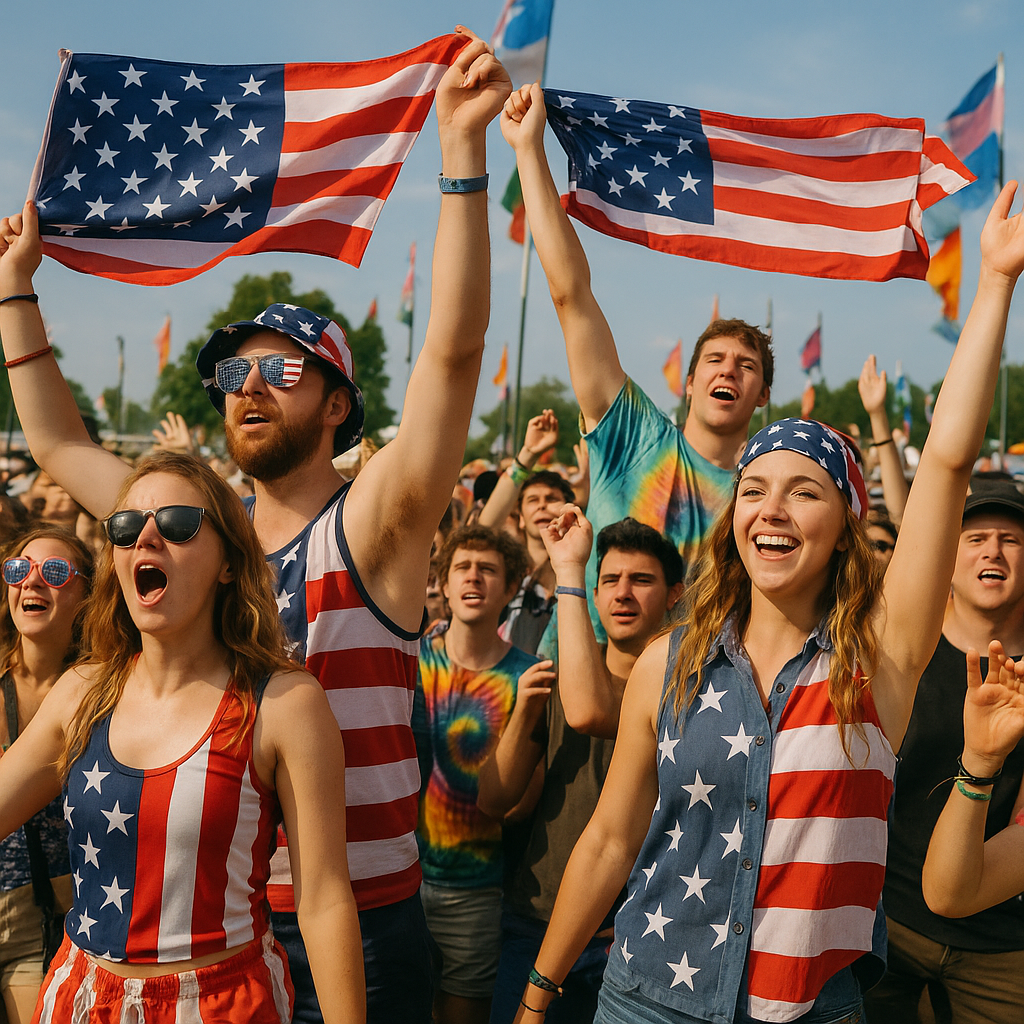
Cultural analysts suggest the cancellation signifies a broader challenge for events that fuse entertainment with political identity. While patriotism remains a unifying theme for many Americans, overt political branding can alienate audiences looking for escapism in music festivals.
Tracing the Roots of Controversy
As reported by publications like HuffPost, Kid Rock has been a polarizing figure in recent years, leaning into his right-leaning stance amid moments of public controversy. Analysts argue his strong association with the MAGA movement may have inadvertently framed “Rock The Country” as a politically exclusive event instead of purely celebratory in nature.
Events combining entertainment and politics can walk a fine line. The Post and Courier noted that artists such as Shinedown emphasized inclusivity as vital to their career ethos, which ran counter to the polarized message perceived by critics of the tour. While some fans support integrating political messaging into entertainment, others prefer festivals to remain neutral platforms where music reigns supreme.
Implications for Music and Politics
The dropped Anderson date raises questions about future stops in the “Rock The Country” series. With other scheduled events in places like Bloomingdale, Georgia, and Bellville, Texas, organizers may need to reconsider the balance between attracting audiences and addressing increasingly vocal criticisms of the concert’s branding.
A wider trend emerges: music festivals integrating political identity face heightened scrutiny from artists and fans alike. Observers point out that while patriotism and celebration are universally appealing, overt alignment with specific groups risks alienating segments of the population. Anderson County officials, meanwhile, remain optimistic about hosting alternative concerts in April, avoiding divisive messaging altogether.
Looking forward, the music industry’s relationship with politics will likely evolve. Events and organizers may feel pressured to tread more carefully, pivoting toward inclusivity in messaging and artist selection. As the cultural landscape grows more segmented, neutrality may prove a winning strategy for festivals aiming to maximize audiences and financial returns.
What to Watch for Next
The cancellation of “Rock The Country” in Anderson offers a glimpse into the challenges faced by politically branded events in the entertainment space. Will future series dates proceed without issue, or will more controversies arise? For Anderson County, the focus will shift to hosting non-partisan cultural programming to recover any economic losses incurred.
At this pivotal juncture, music enthusiasts and industry experts will keep a close eye on how political dynamics shape the planning and executions of large-scale events. For now, “Rock The Country” finds itself at the center of an important debate about the intersection of entertainment and identity politics.