Images chosen by Narwhal Cronkite
MI6 Confirms Ukraine’s Best Frontline Position in 10 Months
In a pivotal development in the ongoing war between Ukraine and Russia, the UK’s Secret Intelligence Service (MI6) has confirmed that Ukraine has reached its most favorable frontline position in the past 10 months. This revelation, endorsed by Ukrainian President Volodymyr Zelenskyy, signals promising momentum in a conflict defined by endurance and strategic ingenuity.
A Glimmer of Progress in a Prolonged Conflict
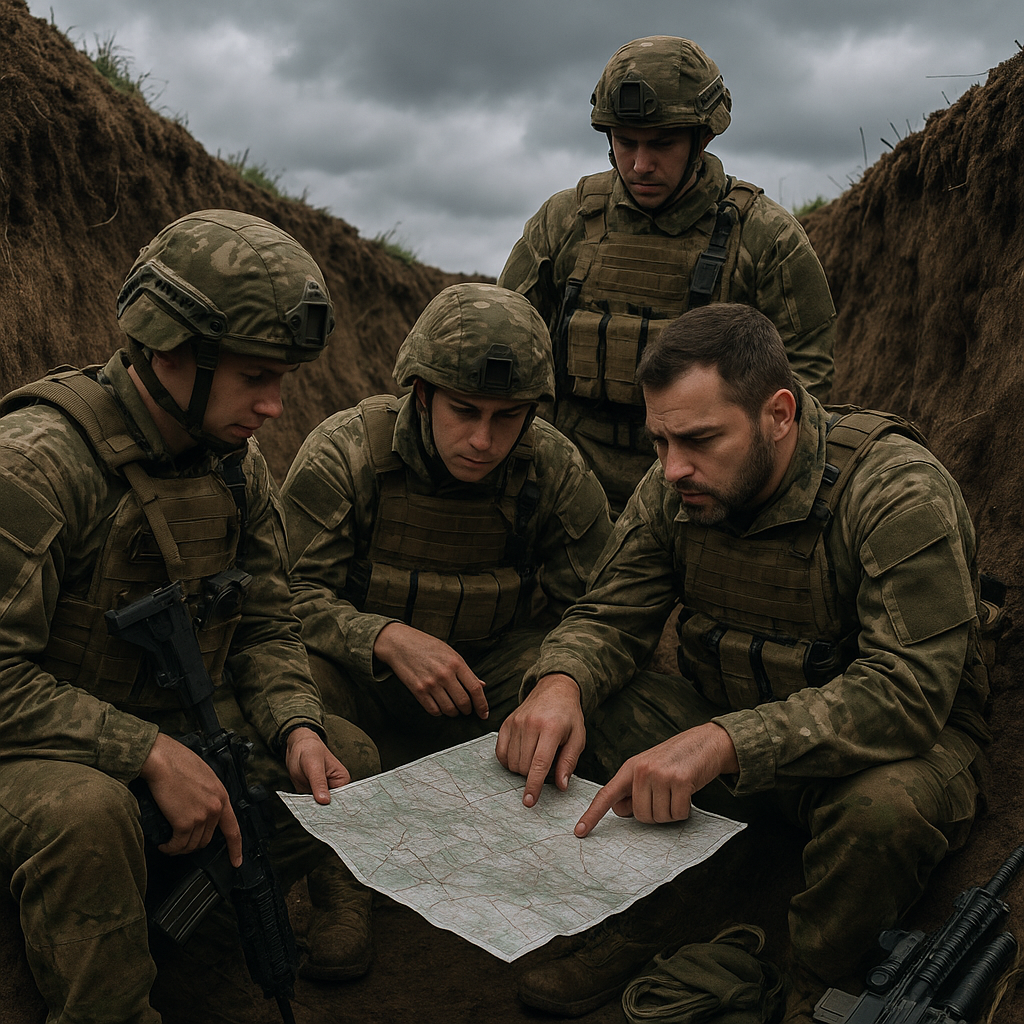
After months of entrenched warfare, characterized by attritional battles in cities like Bakhmut and Zaporizhzhia, neutral experts agree that Ukraine’s forces may have turned a critical corner. President Zelenskyy credited the MI6 findings while marking this moment as evidence of significant tactical gains on the battlefield.
According to NV, Zelenskyy praised intelligence from the UK spy agency, which assessed Ukrainian troops as having achieved meaningful leverage against Russian advances. While specific details from MI6 remain classified, analysts believe it reflects coordinated success on numerous fronts—be it advances in liberated territories or thwarted enemy offensives.
Observers argue that even modest territorial gains in war can translate into broader strategic wins. “Momentum is everything,” noted geopolitical expert Dr. Elena Kravchenko. “Holding ground and advancing, even incrementally, boosts morale, builds international confidence, and signals resilience, especially in asymmetric conflicts.”
The Long Road to Recovery
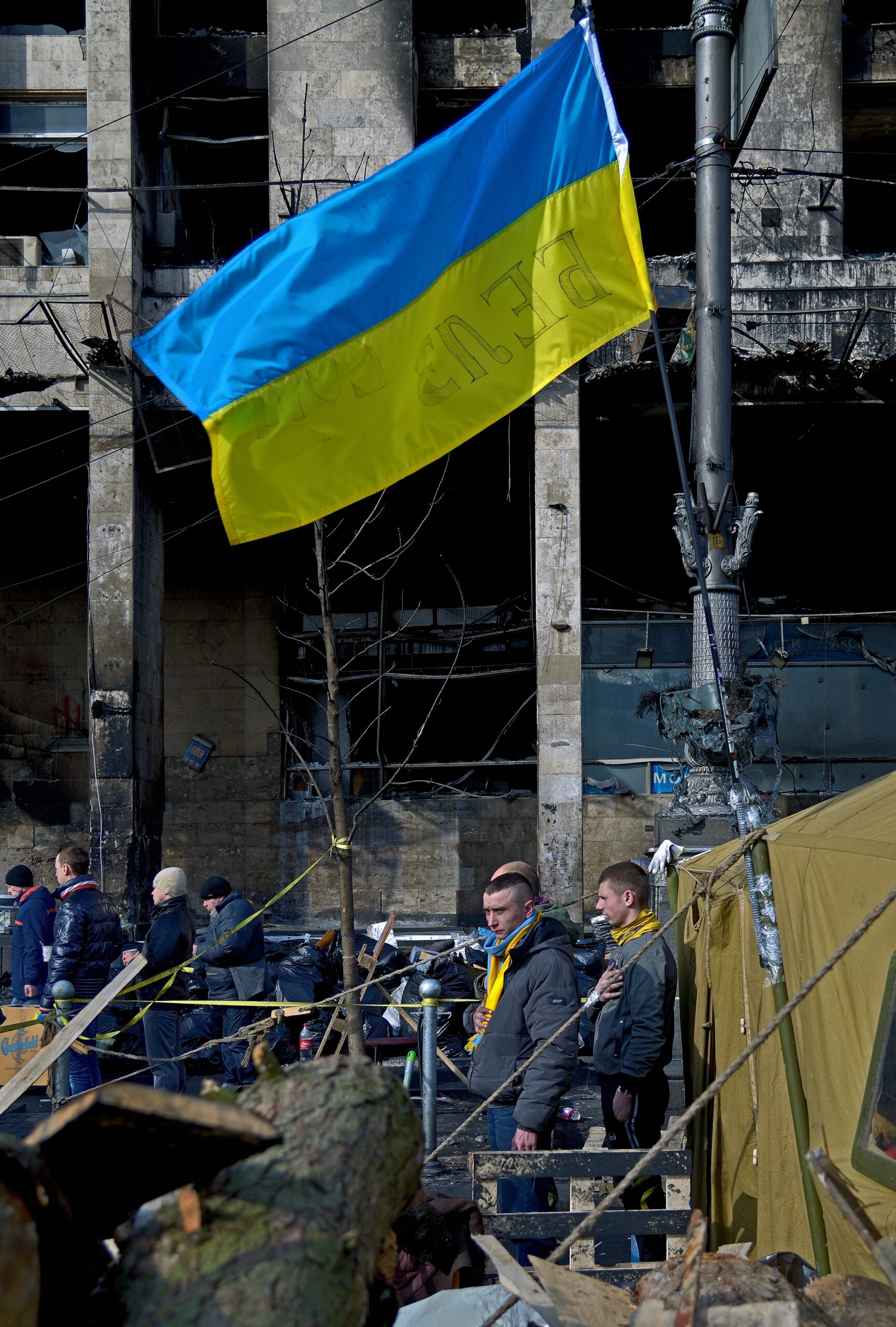
The MI6 confirmation comes against the backdrop of a grueling war that has devastated infrastructure and displaced millions. For Ukraine, retaining autonomy and sovereignty has been paramount, but the path has been fraught with challenges. Russian forces, entrenched in eastern Ukraine, continue to launch heavy assaults, including the use of drone strikes, missile barrages, and targeted offensives.
In what analysts describe as the “10-month milestone,” Ukraine’s forces appear to have reversed some of those negative trajectories. Technology-enabled warfare, Western military aid—including HIMARS rocket systems and satellite intelligence—have played vital roles in bolstering these gains. Still, success is far from assured, as experts warn the situation remains precarious.
What MI6’s Assessment Says About Intelligence Collaboration
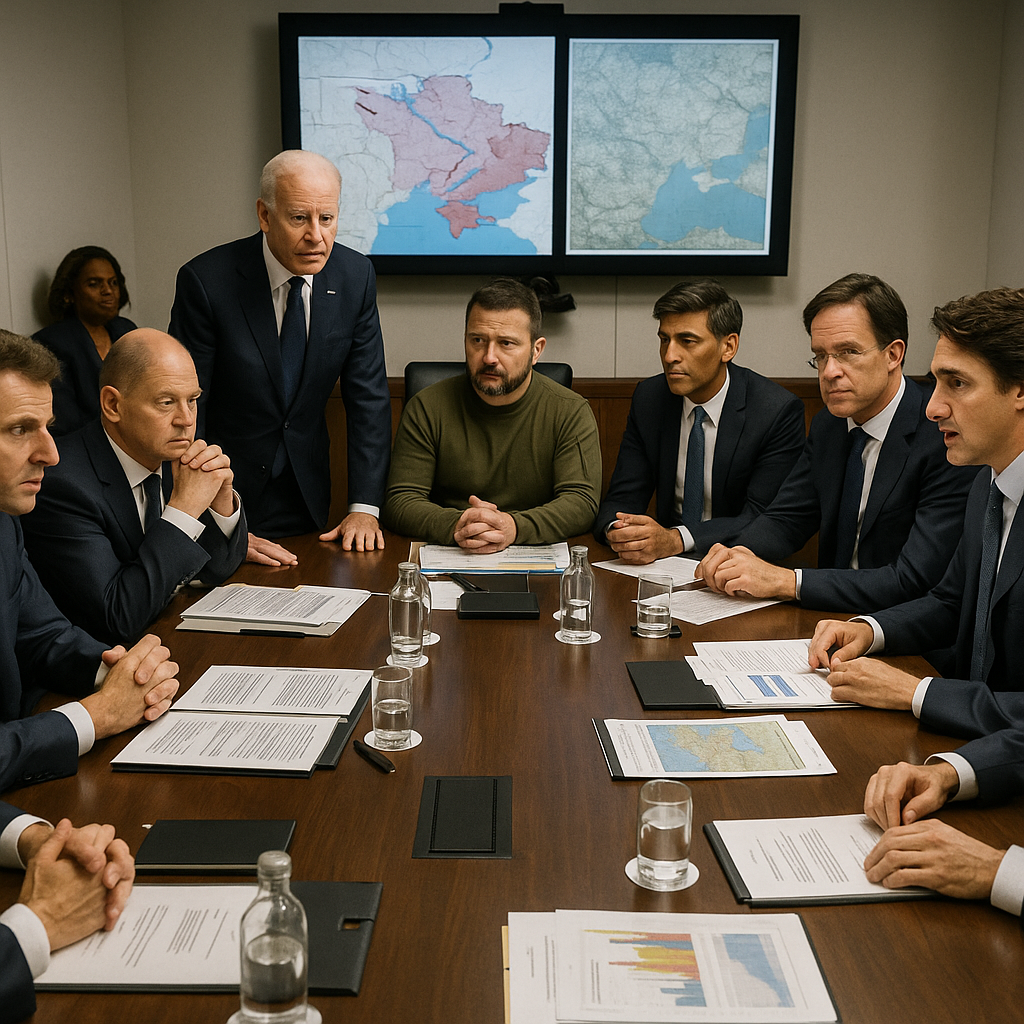
The intelligence provided by MI6 underscores the crucial role Western nations play in Ukraine’s defense strategy. Through robust surveillance, espionage, and human intelligence (HUMINT), agencies such as MI6 contribute to Kyiv’s ability to preempt enemy maneuvers, assess vulnerabilities, and make informed military decisions.
“This is a major testament to international cooperation,” said James O’Hare, a retired MI6 officer turned security consultant. “National agencies like MI6 or the CIA provide a granular battlefield picture without direct engagement, allowing allies to empower Ukraine without overstepping geopolitical boundaries.”
While intelligence sharing aids Ukraine, it also raises concerns about information reliability and exploitation. “When agency insights are shared, the recipient interprets them through their own strategic lens,” O’Hare explained. “That’s where risks emerge, especially if decisions are rushed or adversaries miscalculate strategic intent.”
Related Developments on Global Perspectives
Beyond Ukraine, the MI6 findings resonate with broader geopolitical dynamics. NATO continues to recalibrate its military postures, advocating a united response to Russia’s actions. Meanwhile, other countries monitor the conflict closely, with implications for trade, security, and diplomacy hanging in the balance.
Countries like Poland, Lithuania, and Latvia have increased defense spending and reinforced border security, viewing Ukraine’s resilience as essential to mitigating potential spillover effects. Washington has reaffirmed its support for Kyiv amidst debates in both Republican and Democratic circles about the logistics and longevity of continuous aid packages.
Similarly, Moscow’s response to the report highlights potential escalations on the horizon. The Kremlin has framed Ukraine’s achievements as temporary, employing rhetoric aimed at sustaining domestic support while managing international scrutiny. Analysts contend that Russia’s strategic vision for eastern Ukraine goes beyond military objectives and extends to economic dominance over strategically vital regions.
Implications and What to Watch For
Ukraine’s strengthened position, as affirmed by MI6, carries profound implications for the months ahead. First and foremost, it challenges existing narratives that depict the conflict as stagnant, signaling that steady gains are possible with sustained effort. For Ukrainian leaders, the confirmation is likely to catalyze additional international aid appeals and reinforce public morale during the winter months.
At the strategic level, both sides face a renewed urgency to capitalize on this period of recalibration. Analysts predict that Moscow may double down on unconventional tactics, ranging from cyberwarfare amplification to the sabotage of Ukrainian supply chains. Meanwhile, Kyiv’s focus will likely extend toward infrastructure regrowth in previously occupied territories.
Yet the most significant question remains whether these tactical gains will culminate in broader geopolitical shifts. While progress exists, observers stress the importance of context; victories on the battlefield do not automatically guarantee political resolutions, particularly in long-standing territorial disputes. “Military victories are vital,” Dr. Kravchenko reflected, “but stabilizing governance, reintegrating regions, and preventing renewed escalations are equally complex challenges.”
As the conflict persists, global attention now turns to the ripple effects this assessment may have on winter offensives, peace negotiations, and long-term reconstruction plans. Amid heightened hope and uncertainty, Ukraine’s trajectory remains one to watch closely.