Mona Khalil, a Lebanese environmentalist who spent decades protecting sea turtles along Lebanon’s southern coastline, was killed in an Israeli military strike, the BBC reported. Khalil died near the Mansouri beach area — one of the most critical sea turtle nesting sites in the entire eastern Mediterranean — where she had continued her conservation work even as conflict raged around her.
The non-obvious detail that sets this story apart: Khalil had repeatedly refused to evacuate the area despite active hostilities, insisting that the nesting season could not be abandoned. She believed that without a human presence to guard the nests, the eggs and hatchlings would be lost entirely — to poachers, to disorientation from military activity, and to simple neglect.
Who Was Mona Khalil?
Khalil was widely regarded as the leading guardian of Lebanon’s sea turtle population. For years, she organized nesting patrols on Mansouri beach, trained local volunteers, and lobbied Lebanese authorities to enforce protections on one of the last remaining loggerhead and green turtle nesting beaches in the Levant. Conservation groups in the region described her as irreplaceable — someone who combined scientific knowledge with a fierce personal commitment to the animals she protected.
Her work carried urgent ecological weight. The eastern Mediterranean hosts a small but vital fraction of the global loggerhead sea turtle population, and Lebanon’s beaches represent some of the least-developed nesting habitat remaining in the region. Losing a single nesting season — let alone the human infrastructure Khalil built over decades — sets back recovery efforts by years.
The Strike and Circumstances of Her Death
Details of the exact circumstances of the Israeli strike that killed Khalil are still emerging. What is clear is that she was present in southern Lebanon, close to the Mansouri nesting site, at the time of the attack. The area has seen repeated Israeli military operations as part of ongoing conflict in southern Lebanon.
Her death drew immediate international condemnation from environmental organizations and human rights groups, who called for accountability and mourned the loss of a civilian conservationist working in a war zone. The intersection of armed conflict and environmental destruction is rarely more starkly illustrated than in the killing of a wildlife activist on a beach she was trying to save.
Why Mansouri Beach Matters for Lebanese Turtle Conservation
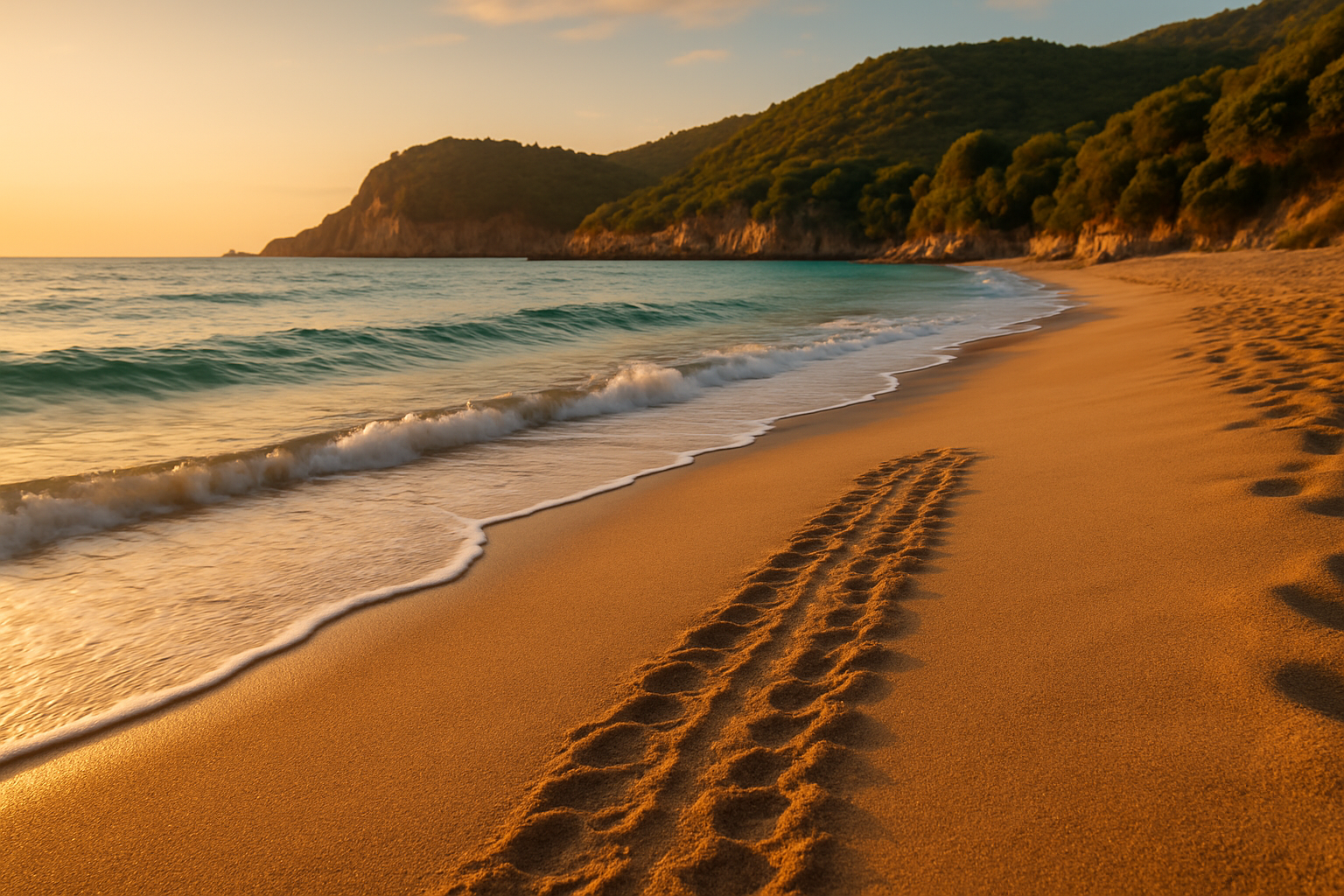
Mansouri beach sits in the Tyre Coast Nature Reserve, a protected area established by the Lebanese government in the 1990s. The reserve is one of only a handful of sites in Lebanon where loggerhead sea turtles — listed as vulnerable on the IUCN Red List — return annually to nest. A single female loggerhead can lay multiple clutches of over 100 eggs per season, making the protection of even one beach consequential at the population level.
Military activity poses layered threats to nesting sites: vehicle movement compacts sand and crushes nests, artificial lighting from flares and equipment disorients hatchlings navigating toward the sea by moonlight, and the simple absence of protective monitoring leaves nests open to predation and human disturbance. Khalil understood all of this, which is precisely why she stayed.
The Human Cost of Conflict on Wildlife Protection
Khalil’s death highlights a pattern seen in conflict zones worldwide — when humans flee, conservation infrastructure collapses. Rangers, monitors, and activists are often the last line of defense for endangered species, and when they become casualties, the animals they protect lose their most effective advocates.
This dynamic is not unique to Lebanon. Across the world, wildlife defenders operate in dangerous conditions, often with little institutional support. Global Witness has documented a steady rise in the killing of environmental and land defenders over the past decade, with conflict zones presenting the highest risk.
The tragic overlap of war and ecological loss is a reminder that the human and natural costs of armed conflict extend far beyond immediate casualties. As coverage of Khalil’s death spreads, conservation groups are now raising urgent questions about who will monitor the Mansouri nests during the remainder of the 2026 hatching season — and whether any international body can step in to fill the void she leaves behind.
What Comes Next
Environmental organizations with ties to Lebanon’s coast are already calling for emergency measures to protect the Mansouri nesting site. Whether Lebanese authorities, international NGOs, or UN peacekeeping missions in southern Lebanon can coordinate a rapid response before the current nesting season ends remains unclear.
For readers following other stories about the human costs of conflict and displacement, our report on the Dominican Republic hotel fire that forced 1,700 people to evacuate offers another look at how quickly safety — and lives — can be upended in an instant. And for those tracking how geopolitical tensions are reshaping security arrangements globally, our piece on South Korea being asked to build fast naval ships adds important regional context.
Mona Khalil leaves behind a conservation legacy built on years of unglamorous, dangerous, and deeply necessary work. The sea turtles of Mansouri beach had no better advocate — and finding one will not be easy.