Emergency Blackout Protocols Implemented Across Moscow Air Hubs
Airports serving the Russian capital—including Sheremetyevo, Domodedovo, and Vnukovo—were forced to suspend flight departures and arrivals and turn off perimeter runway lighting for a second straight night. Federal aviation agency Rosaviatsia issued emergency airspace restrictions across the Moscow aviation hub as air defense systems were placed on heightened alert due to incoming long-range drone threats.
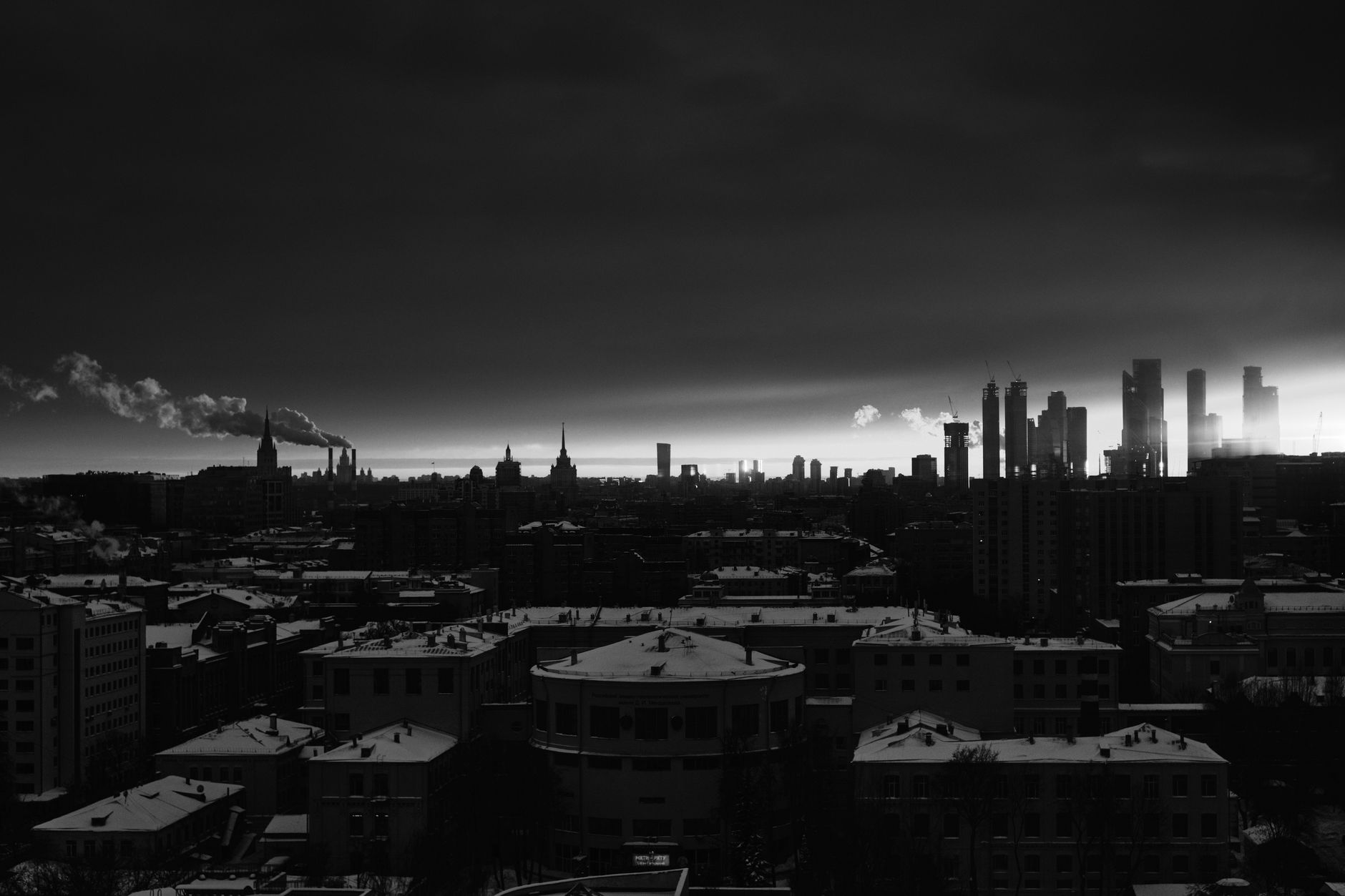
Dozens of domestic and international flights were diverted to emergency backup airfields in Nizhny Novgorod and Kazan, stranding thousands of passengers inside darkened terminal halls.
Zelenskyy Urges Foreign Airlines to Avoid Russian Airspace
The operational shutdown coincided with a stern public address by Ukrainian President Volodymyr Zelenskyy, who advised international commercial carriers and charter operators to immediately suspend flights into and over Russian territory. Zelenskyy warned that military assets, logistical supply routes, and dual-use aviation infrastructure within Russia would remain subject to targeted long-range strikes.
“Any airline continuing to operate inside Russian airspace is operating in an active combat zone and placing passenger safety at unacceptable risk,” Ukrainian defense officials reiterated during a press briefing.
Strategic Impacts on Russian Commercial Aviation and Economy
Repeated nighttime airport shutdowns in Moscow represent a growing economic headache for Russian civil aviation, which is already struggling under international sanctions and component shortages. Aviation analysts note that frequent flight diversions severely disrupt supply chains, damage tourism revenue, and demonstrate Ukraine’s growing capacity to inflict operational disruption deep inside Russian territory.
As security concerns mount, several international carriers serving routes to Moscow are reportedly evaluating temporary route suspensions to avoid escalating security hazards.