Images chosen by Narwhal Cronkite
Mystery Company Burns $500 Million on AI Blunder: A Wake-Up Call for Corporate Oversight
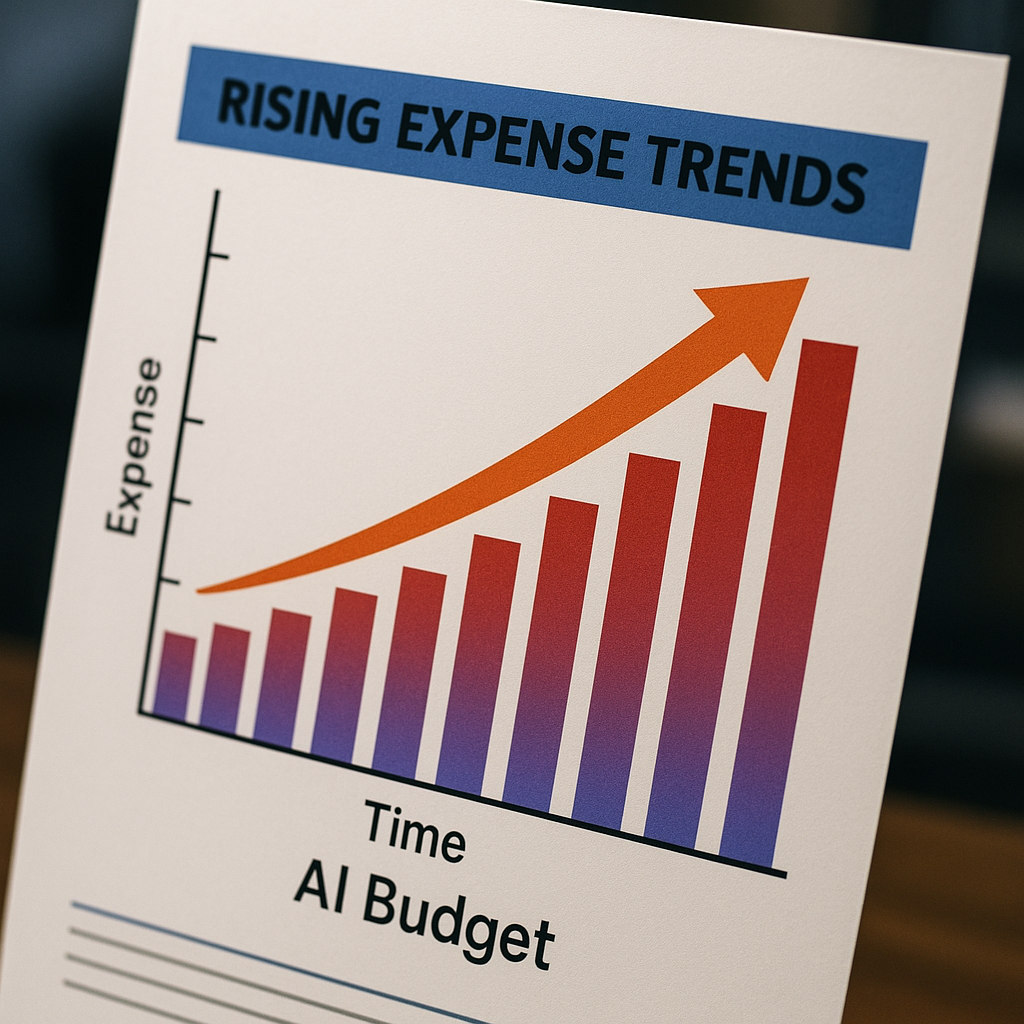
In a bewildering tale of unchecked spending and technological oversight, a mystery company reportedly squandered a staggering $500 million in a single month on Claude AI. The culprit? A failure to set usage limits for employee licenses. This incident, revealed in a recent Axios report, underscores the growing tension between corporate enthusiasm for artificial intelligence (AI) and the need for careful financial governance.

The Perils of Unlimited AI Access
AI technologies like Claude, OpenAI’s ChatGPT, and Google’s Bard are becoming ubiquitous in corporate environments, promising to enhance productivity, automate tedious tasks, and streamline decision-making. However, as this incident illustrates, the allure of AI can lead to financial calamity when not properly managed.
“An AI consultant tells Axios one of their clients recently spent half a billion dollars in a single month after failing to put usage limits on Claude licenses for employees,” reported Tom’s Hardware. This dramatic overspend has sounded the alarm across industries, with leaders now questioning whether unchecked AI investments are sustainable or even worthwhile.
For context, a half-billion-dollar expense is far beyond what many companies spend annually on core operational costs like staffing, marketing, and technology combined. Missteps like these not only impact the bottom line but also highlight a broader gap in corporate AI literacy and governance controls.
What Went Wrong? A Governance Failure
The heart of the issue lies in the company’s failure to set guardrails for high-value technology. Most enterprise tools, whether cloud services or software applications, allow administrators to customize usage limits to avoid runaway costs. Without such controls, tool usage can spiral out of control—especially with AI models, which are priced based on activity levels like query volume, compute power, and data access.
“Businesses must view AI adoption through the lens of governance and risk management,” said a senior analyst from Gartner. “The explosive growth of generative AI tools has made companies vulnerable to costly mistakes, especially when there are no mechanisms in place to monitor usage, evaluate ROI, and forecast potential liabilities.”
This oversight aligns with a growing realization: AI spending must be treated like any other line item on the budget. Enthusiasm for cutting-edge technologies cannot substitute for fiscal responsibility or proper planning. Industry experts note that executives are often dazzled by AI’s potential but fail to ask critical questions like, “How are we measuring value?” and “What safeguards do we have in place?”
Are AI Investments Worth the Cost?
This debacle comes amid rising skepticism about the return on investment (ROI) for AI. While AI evangelists argue that these technologies improve efficiency and generate long-term strategic value, others point to the mounting costs—and sometimes limited returns—associated with their implementation.
A 2023 study by PwC highlighted that although 77% of CEOs reported plans to integrate AI into their operations, nearly half expressed concerns about escalating costs eroding financial gains. The unnamed company’s $500 million mistake adds fuel to this debate, raising important questions:
- What metrics should companies use to measure AI effectiveness?
- How can organizations balance innovation with cost control?
- At what point do AI investments outpace the value they provide?
It’s also worth noting that some organizations may simply not be ready to integrate such powerful technologies. A lack of internal expertise, inadequate infrastructure, or the absence of clear use cases can amplify the risks of deploying AI at scale.

Lessons Learned: Building Smarter AI Strategies
This $500 million mistake is less about the AI itself and more about how companies deploy new technologies. Here are some lessons organizations can take away:
1. Set Usage Limits and Controls
Whether it’s AI licenses, cloud compute, or API calls, companies must establish clear usage caps to prevent runaway spending. Platforms like Claude AI often include administrative dashboards where limits can be set based on team size, anticipated activity, or financial thresholds.
2. Monitor Costs in Real Time
Real-time expense monitoring should be an integral part of any AI strategy. Automated alerts can notify IT managers or procurement teams if usage approaches preset thresholds. This ensures overspending is caught early before it snowballs into a crisis.
3. Prioritize Transparent ROI Metrics
Companies need to establish clear ROI objectives for AI initiatives and track them diligently. Whether it’s automating customer service workflows or identifying supply chain efficiencies, the value of AI must be quantifiable. Without these benchmarks, organizations risk chasing trends without demonstrable gains.
What Lies Ahead for Corporate AI?
As AI adoption accelerates, stories like this are cautionary tales rather than isolated incidents. The pressure to adopt AI is immense, with competitors eager to automate and optimize at every level. Yet, as this half-billion-dollar blunder shows, hasty adoption without proper planning can lead to serious consequences.
Organizations moving forward with AI must embed governance at the core of their strategies while remaining vigilant about cost management. Corporate leaders will also need to expand their understanding of AI pricing models and risks—not just its promises of efficiency or innovation.
Looking ahead, it will be critical to watch how companies strike a balance between innovation and financial discipline. Will more organizations learn from this mistake and introduce robust governance frameworks? Or will the excitement over AI’s possibilities continue to come at a steep cost?
For now, the story of this mystery company serves as a stark reminder: while AI is undoubtedly transformational, failing to respect its costs can turn even the most exciting technological investments into a cautionary tale.