NBC Appears to Censor Boos for JD Vance at Winter Olympics Opening
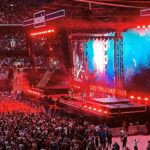
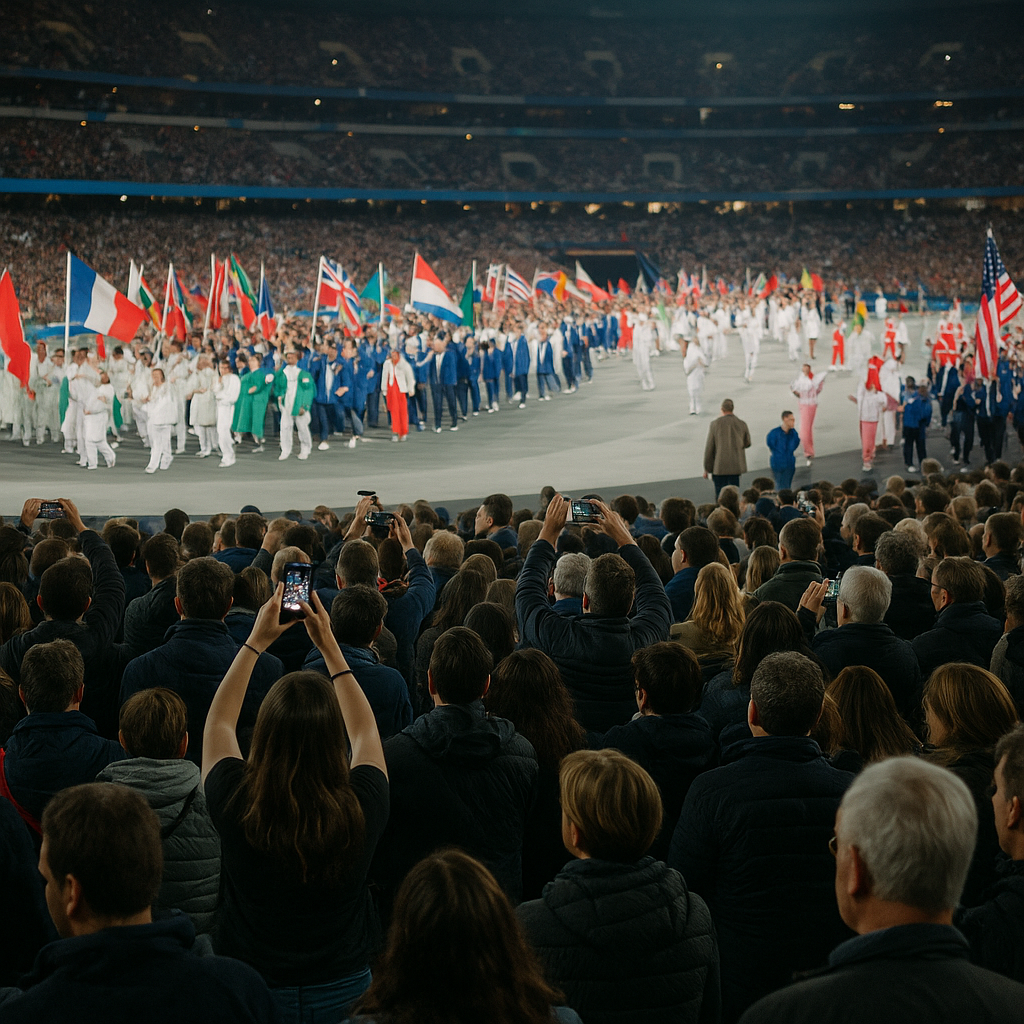
The opening ceremony of the 2026 Winter Olympics in Milan hardly lacked drama, but viewers tuning in to NBC might have missed one particularly striking moment: the audible boos directed at U.S. Vice President JD Vance. When Vance appeared on screen alongside second lady Usha Vance during Team USA’s entrance, NBC’s broadcast appeared to omit the crowd’s reaction—a stark contrast to unfiltered footage captured by Canadian broadcaster CBC.
From Cheers to Jeers: The Moment Censored
The crowd’s reaction, as revealed by CBC and witnesses on the ground, told a story of palpable dissent. As American speedskater Erin Jackson led Team USA into the iconic San Siro Stadium, cheers echoed loudly. But the mood shifted quickly when cameras panned to JD Vance and his wife in the stands. Whistles, jeers, and sparse applause were noted by CBC commentators and journalists such as Sean Ingle of The Guardian.
While Canadian viewers heard these boos directly, American viewers on NBC faced a sanitized version of the moment. NBC’s broadcast failed to acknowledge or include audio of the crowd’s discontent, presenting Vance’s appearance as ordinary and neutral. According to NBC’s commentary team, the moment was simply marked with the name “JD Vance”—sans any hint of the controversy brewing in the crowd.
Historical Precedents in U.S. Broadcasts
This isn’t the first time dissent against political figures has been toned down or erased from U.S. broadcasts. In September 2023, similar censorship occurred during the U.S. Open. Organizers explicitly asked networks to avoid highlighting audience reactions, particularly to Donald Trump’s appearance at the men’s final. The rationale often ties back to wanting to preserve the dignity of attendees while avoiding politicizing public sporting events.
Such moves have sparked conversations about journalistic integrity. Should broadcasters uphold transparency—even during politically charged moments—or adapt to protect the image of political figures and institutions? This instance with JD Vance raises the question anew, underscoring debates around freedom of the press, neutrality, and selective censorship.
Fractures Beneath the Surface: Political Tensions and Athlete Commentary
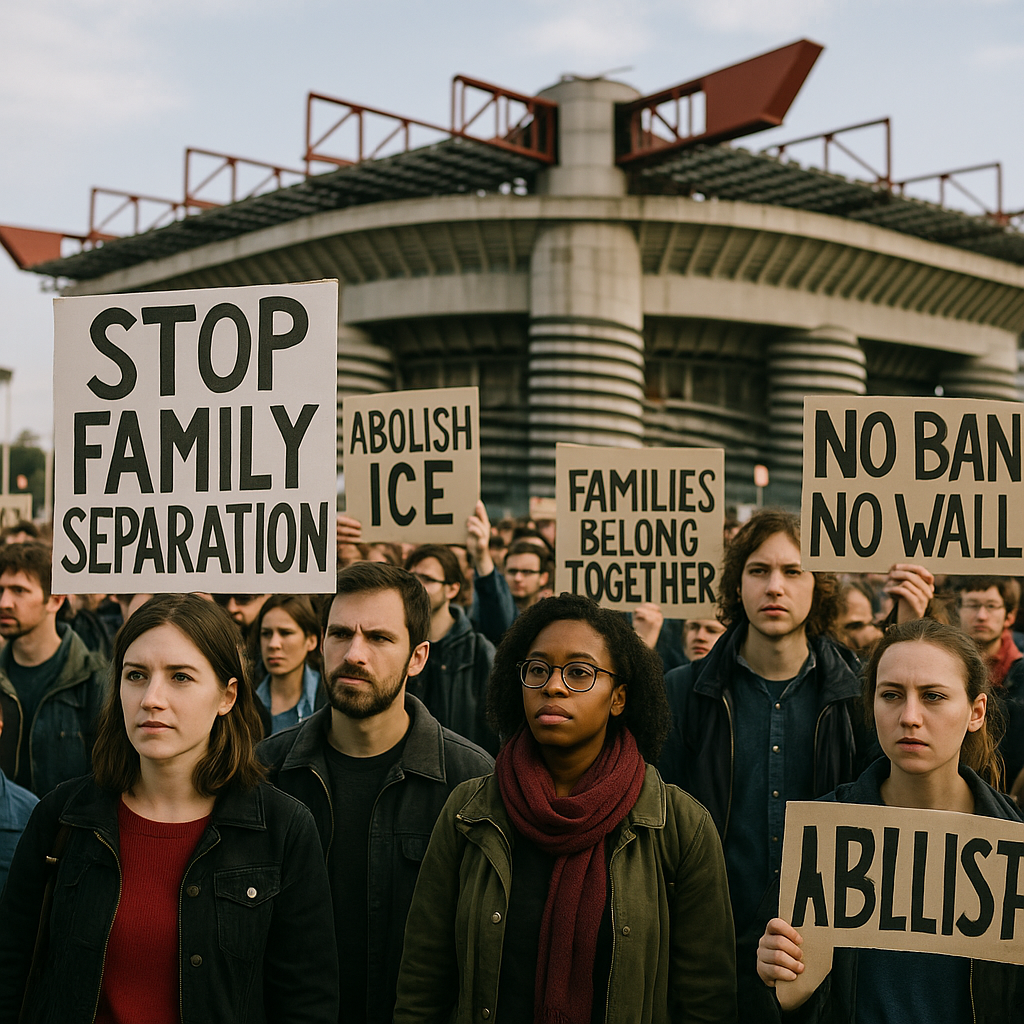
Vance’s frosty reception in Milan comes amid simmering discontent over U.S. policies abroad, particularly related to immigration enforcement. Earlier the same day, hundreds of demonstrators gathered to protest the presence of U.S. Immigration and Customs Enforcement (ICE) agents at the Olympics. While the U.S. State Department attempted to assure the public that the ICE unit in Italy operates independently from controversial immigration enforcement back home, skepticism remains high.
Adding to the political complexity, American athletes themselves have expressed unease about representing their country during fraught times. Freestyle skier Hunter Hess shared mixed feelings: “There’s obviously a lot going on that I’m not the biggest fan of,” Hess said in a pre-ceremony interview. “Just because I’m wearing the flag doesn’t mean I represent everything that’s going on in the U.S.” His sentiment mirrors broader concerns among athletes who are increasingly vocal about their discontent with the socio-political climate they’re expected to symbolize.
What NBC’s Silence Says About Media and Politics
The decision by NBC to omit boos from its broadcast raises critical questions about the media’s role in moderating perceptions of political figures. Networks often attempt to strike a balance between informing their audience and maintaining decorum on public broadcasts. However, selective editing like this risks erasing a genuine expression of dissent, which is, arguably, a vital part of democratic dialogue.
Critics argue that moments such as these should be unfiltered, believing that transparency fosters both accountability and trust. Others defend decisions like NBC’s as necessary to prevent global events such as the Olympics from devolving into platforms for political chaos. Industry observers note that public broadcast networks walk a fine line—especially during international events where the perception of national unity is prioritized.

What This Means for Media Moving Forward
The implications of such editorial decisions extend beyond the events in Milan. As social media amplifies the fallout from these omissions, broadcasters face growing scrutiny to clarify their policies around political content. In a world increasingly skeptical of institutions, including the media, transparency has become a non-negotiable demand from viewers.
For NBC, the ripple effect is twofold: managing reputational risks while navigating the complex realities of broadcasting contentious moments in politically divided times. As cable networks compete with online platforms where raw, unfiltered footage often thrives, they risk losing younger, digitally savvy audiences increasingly disenchanted with traditional media gatekeeping.
What to Watch For Next
In the wake of this incident, several key questions loom large. Will NBC address the apparent censorship directly, offering an explanation for their editorial choices? How will future broadcasts approach politically sensitive moments? More broadly, how will the International Olympic Committee (IOC) navigate political tensions at the Games, especially as athletes and spectators increasingly voice their dissent?
The Milan Winter Olympics, like many global events before it, has become a microcosm of broader societal tensions. As politics and sports continue to intersect, the spotlight will remain not just on the athletes but on the broadcasters tasked with shaping how their stories—and those of others in attendance—reach the world.