Images chosen by Narwhal Cronkite
New York City Police Identify Device Outside Mamdani’s Home as Explosive
In a chilling incident that has left many New Yorkers on edge, the New York City Police Department (NYPD) confirmed that a suspicious device found outside the residence of Assembly Member Zohran Mamdani was indeed explosive. The discovery has raised serious concerns about safety and the increasingly brazen tactics used to instill fear in public officials.
An Alarming Discovery Outside a Public Servant’s Home
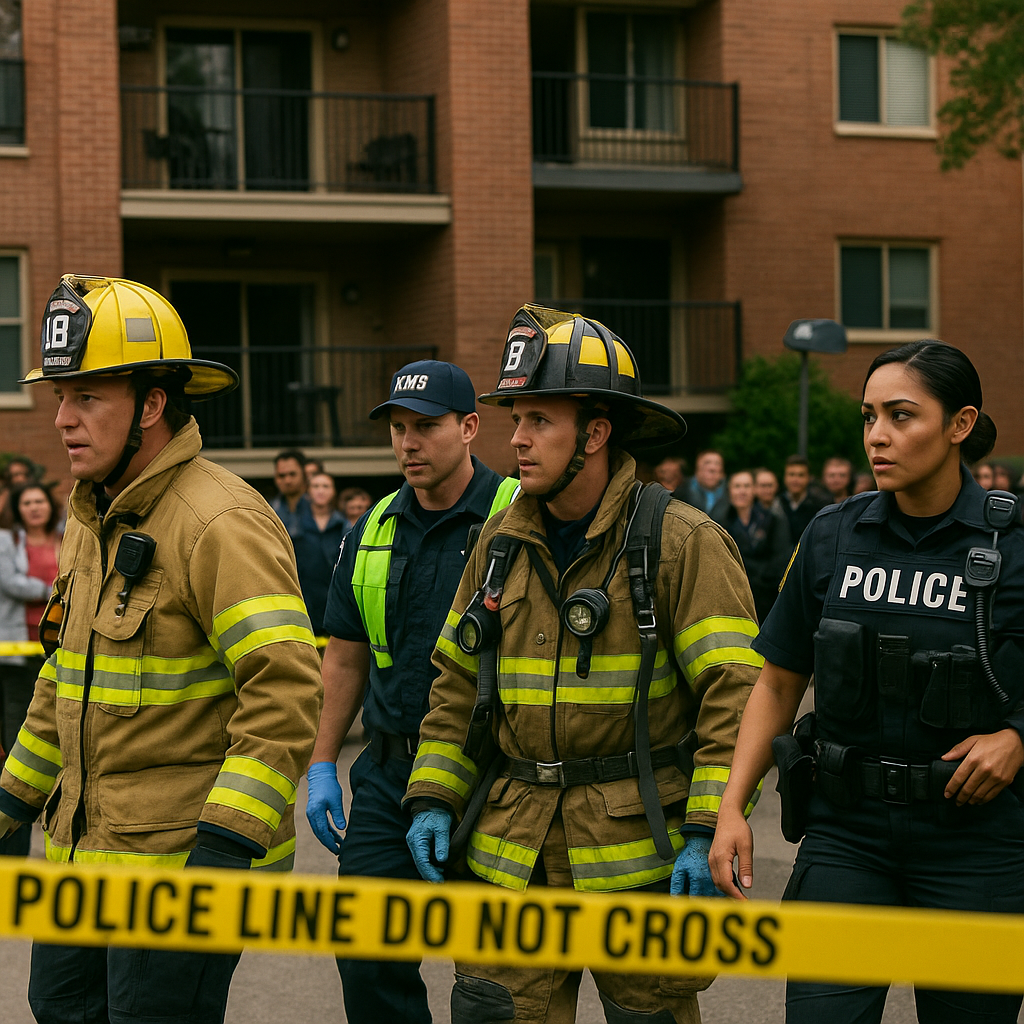
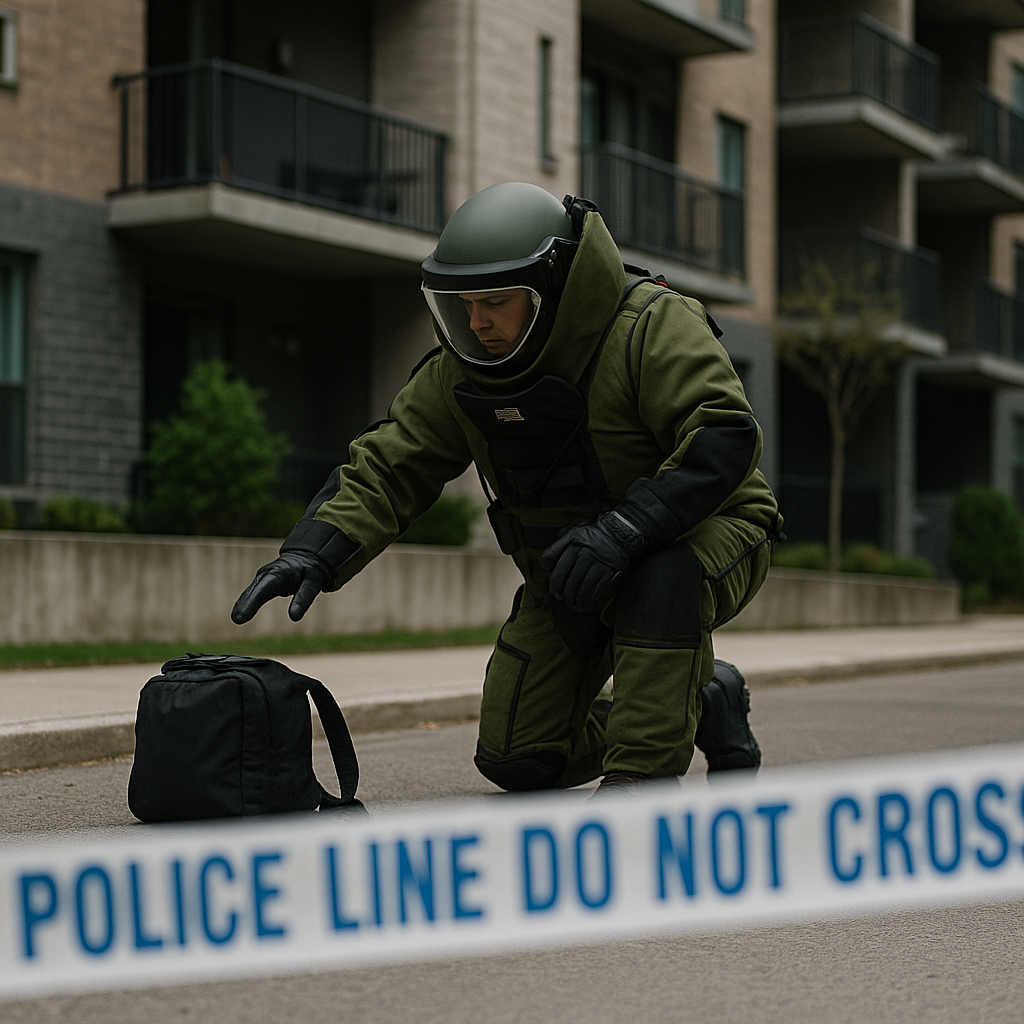
The explosive device was discovered in the early hours of the morning by a passerby who alerted NYPD. Officers swiftly secured the area, evacuating nearby residents and deploying bomb squad specialists. According to a report by Reuters, the device was safely neutralized without causing any harm, but the mere existence of such a situation has left lasting ripples of anxiety within the community.
This incident serves as a somber reminder of the ongoing threats faced by public officials and underscores the critical importance of addressing both physical and digital security risks. New Yorkers, already grappling with urban challenges ranging from crime spikes to geopolitical fears, now face uneasy questions about safety in one of the world’s most densely populated cities.
The Echoes of History: From the ‘Mad Bomber’ of the 1950s
For many New Yorkers, this recent incident may evoke unsettling memories of George Metesky, infamously known as the “Mad Bomber,” whose violent campaign lasted from 1940 to 1956. As reported by All That’s Interesting, Metesky planted over 30 bombs in public spaces across the city, ranging from theaters to transportation hubs, leaving both chaos and ominous notes signed “F.P.”—short for “fair play.”
While the parallels between Metesky’s actions and the explosive device outside Mamdani’s home are speculative, they highlight a recurring tactic: using bombs not only as tools of destruction but also as symbols to instill dread. This recurrence prompts fresh questions about what drives individuals or groups to act out in such destructive ways and whether systemic frustrations or ideology could be underlying causes.
Security at a Crossroads: Modern Challenges to Urban Safety
Urban safety in the modern era is a complex interplay of physical and digital threats. While the NYPD swiftly managed to secure the site and neutralize the device, questions about preventive measures are already circulating. Technology has become both a tool and a target in this landscape. For instance, The New York Post reported that the Los Angeles Police Department (LAPD) recently secured a $9.8 million grant from the Department of Homeland Security (DHS) to combat illicit drone activity—a move attributed to growing concerns over airspace safety and the potential vulnerabilities posed by unmanned technologies.
Just as drones represent an evolving frontier in threat landscapes, the incident outside Mamdani’s home suggests that robust public safety mechanisms must continuously adapt—not only to intercept physical dangers but also to identify red flags through intelligence efforts. Reports like the one by Financial Post, which detailed OpenAI’s AI-driven flagging of a suspect eight months prior to a deadly mass shooting in Canada, reflect the potential role of technology in mitigating risks. However, these tools must work hand-in-hand with traditional enforcement strategies for a truly holistic approach to urban security.
The Larger Question: What’s Driving These Incidents?
Incidents such as the one at Mamdani’s home can’t be dissected without diving into the larger societal context. Analysts often highlight grievances, political polarization, or perceived injustices as possible catalysts for acts of this nature. Assembly Member Mamdani, known for his outspoken stance on social justice policies, has championed causes ranging from affordable housing to refugee rights. While his advocacy has earned him widespread admiration, it may have also made him a target in polarized times.
Public figures and analysts alike now question whether political rhetoric and online polarization are fueling these threats. “The most dangerous outcome of ideological divides is the real-world consequences we’re starting to witness,” said a security expert based in New York. “When city leaders and public servants are targeted, it erodes the very essence of trust and safety in our urban communities.”
What Comes Next: Vigilance and Preparedness
As New York reels from this startling incident, city officials are likely to revisit precinct-level response protocols, strengthen real-time threat detection systems, and potentially extend protective measures for public figures. Vigilance at the individual level also remains crucial. Residents are being urged to report any suspicious behavior or unattended items and stay proactive in safeguarding their communities.
Looking further ahead, the intersection of law enforcement, community engagement, and technological innovation offers a ray of hope. While the incident serves as a grim landmark for where we are, it also underscores the need for investments in both physical safety and in technology-driven early warning systems. The tense moments outside Mamdani’s home will not soon be forgotten, but how the city responds might ultimately set the course for future safety and civic trust.