100 children freed in Nigeria schoolchildren abduction, but crisis far from over
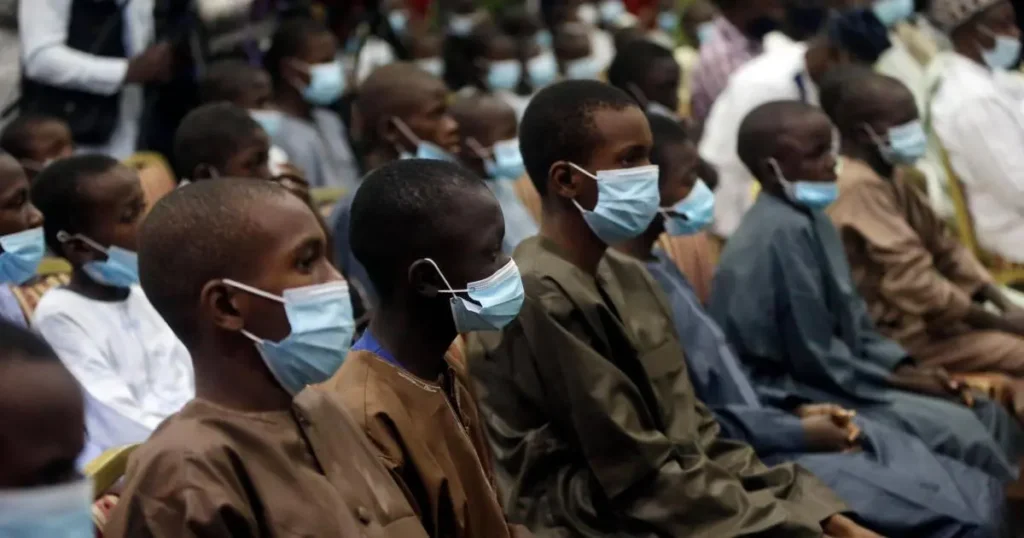
A total of 100 of the schoolchildren abducted from a Nigerian Catholic school last month have been released, the Christian Association of Nigeria (CAN) said on Monday, even as more than 100 others remain in captivity.
The Nigerian schoolchildren abduction began in the early hours of 21 November, when gunmen stormed St. Mary’s Catholic School in the remote Papiri community of Niger state. At least 303 pupils and 12 teachers were seized in one of the country’s largest mass kidnappings in years. Around 50 children managed to escape in the hours immediately after the attack, but there had been no confirmed releases until now.
Daniel Atori, spokesman for CAN in Niger state, told the Associated Press that the church learned over the weekend that 100 children had been freed. They are expected to be transported to Minna, the state capital, to meet with church and government officials and receive medical and psychological support.
It remains unclear how the children were released, whether any ransom was paid, or if arrests have been made. As is typical in such cases, neither security agencies nor political leaders have provided operational details.
No claim of responsibility as armed gangs blamed
So far, no group has claimed responsibility for the Nigerian schoolchildren’s abduction. Local residents and analysts have blamed the loose networks of armed bandits that operate across Nigeria’s conflict-hit north, specialising in mass kidnappings of students and travellers for ransom.
These gangs, distinct from jihadist groups such as Boko Haram and Islamic State West Africa Province, have grown more brazen over the past decade, exploiting weak state presence in rural areas and often acting with near-impunity. Schools and churches have become frequent targets, both because of their symbolic value and the perception that communities will find money for ransom under intense public pressure.
Nigerian authorities rarely confirm whether money has changed hands. Analysts say that, in practice, ransoms are routinely paid by families, local intermediaries or state actors, but officials typically insist that security operations and negotiations are responsible for releases.
Part of a wider wave of school and church kidnappings
The Niger state raid was one of several mass abductions reported in late November. Just four days earlier, gunmen abducted 25 pupils from Government Girls Comprehensive Secondary School in Maga, Kebbi state, about 170 kilometres away; 24 of those girls were later rescued after roughly a week in captivity.
Around the same time, a church in the southern state of Kwara was attacked during a service in the town of Eruku. Gunmen killed at least three people and abducted 38 worshippers from Christ Apostolic Church Oke Isegun. Those hostages were freed days later following what authorities described as a joint security operation.
Together, the incidents have underscored the scale and spread of Nigeria’s insecurity, which now stretches from jihadist insurgency in the northeast to banditry in the northwest and north-central states, and communal and criminal violence further south.
Tinubu is under pressure at home and from Trump
President Bola Tinubu, who took office in 2023, has vowed he “will not relent” until all hostages from the Nigeria schoolchildren abduction and other recent kidnappings are freed. The government has repeatedly promised a tougher stance on banditry, including more military deployments and regional cooperation, but results have been mixed and many Nigerians remain sceptical.
Tinubu is also facing rising pressure from abroad. U.S. President Donald Trump has alleged that Christians are being specifically targeted in Nigeria’s security crisis and has threatened possible military action, as well as visa bans and aid cuts, if Abuja does not do more to protect Christian communities.
Nigerian officials have pushed back against the framing of the violence as a simple religious conflict, arguing that the picture is more complex, involving criminal gangs, farmer–herder clashes, ethnic tensions and jihadist violence. At the same time, they have welcomed foreign intelligence and training support, while insisting that any international involvement respect Nigeria’s sovereignty.
Letitia James Faces Federal Charges of Mortgage Fraud Amid Backlash
Families still waiting for news as more than 100 children remain captive
For parents in Papiri and across Niger state, the confirmed release of 100 pupils offers a glimmer of hope after weeks of uncertainty. But with more than 100 children still missing, many families remain in agonising suspense, unsure whether their sons and daughters are among those freed or still held in remote forest hideouts.
Some of the abducted children are as young as six, according to church officials. The Christian Association of Nigeria and the Sisters of Our Lady of Apostles, who run St. Mary’s, have called for global prayers and renewed international pressure to secure the safe return of every child and staff member taken in the raid.
As Nigeria’s leaders celebrate the partial success of bringing 100 children home, the broader questions remain: how to prevent another Nigeria schoolchildren abduction of this scale, and whether the state can dismantle the armed networks that have turned classrooms and churches into hunting grounds.
For now, the road between Papiri and Minna will carry at least some children back to their families. For many others, the wait continues.
Sources:
AP News – “100 schoolchildren abducted in Nigeria are released but more are still held”
Reuters – “Nigeria rescues 100 abducted schoolchildren, parents anxiously await news”