Images chosen by Narwhal Cronkite
Nintendo Takes on U.S. Government Over Controversial Tariffs
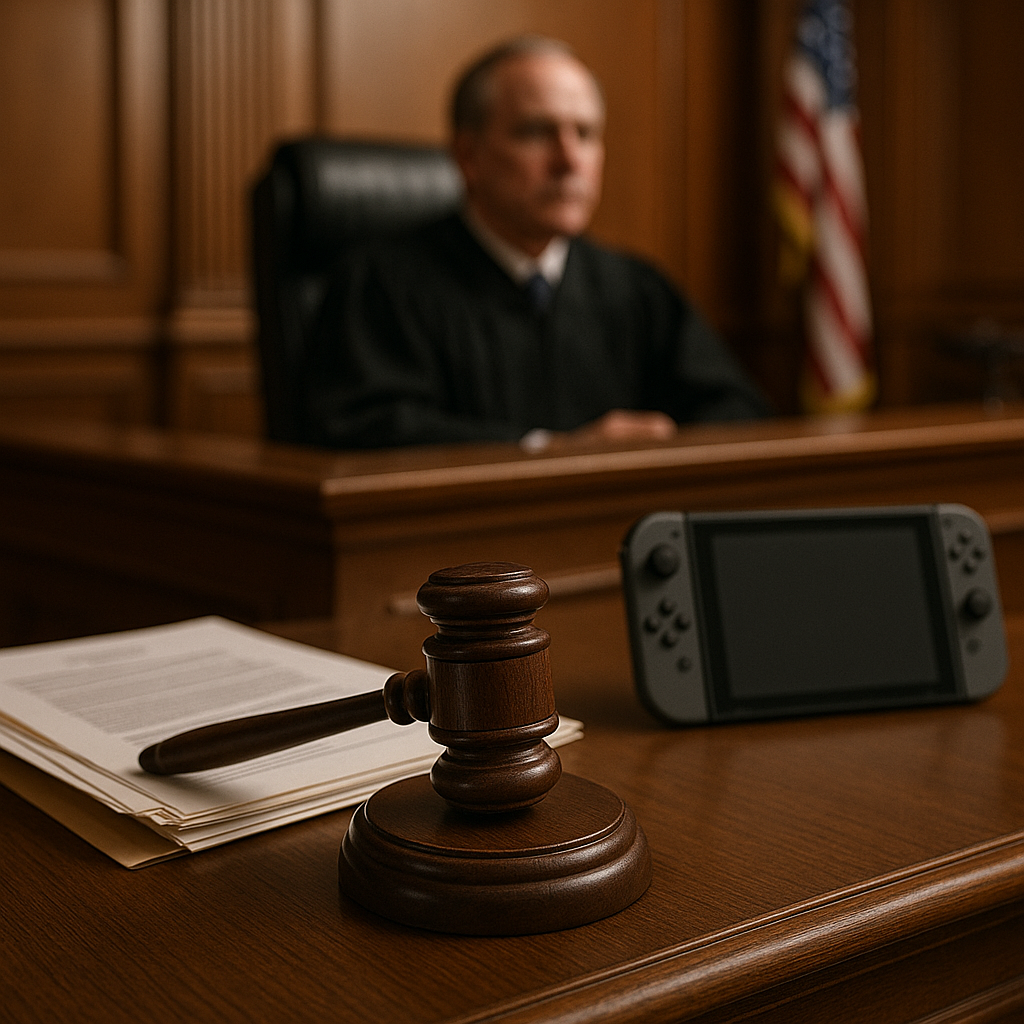
In a bold move that has created ripples across the gaming and legal industries alike, Nintendo has filed a lawsuit against the U.S. government over tariffs imposed during Donald Trump’s presidency. The tariffs, recently deemed illegal by the Supreme Court, have led to a slew of corporate lawsuits, but Nintendo’s legal challenge carries unique weight as it stems from the gaming sector—a booming industry heavily reliant on international trade and imports.
Why Nintendo’s Legal Move Matters
At its core, this lawsuit revolves around additional financial burdens created by the Trump-era tariffs that impacted nearly every corner of global trade. According to Nintendo’s lawyers, these tariffs were imposed unlawfully via a series of executive orders under the International Emergency Economic Powers Act (IEEPA). Nintendo, which imports a significant portion of its products—including its massively popular Switch consoles and game cartridges—from overseas manufacturers, argues that these unfair tariffs cut deeply into their operational margins.
“Nintendo of America has standing to sue because it is the importer of record for goods that were subject to IEEPA Duties,” claims the company’s legal team in a statement. The implications of this case extend far beyond the immediate financial stakes for Nintendo; they underline larger issues about the U.S. government’s authority to impose such trade measures without broader legislative oversight.
Industry experts suggest that the costs associated with these tariffs were often passed on to consumers. This has raised broader questions about corporate accountability and whether players like Nintendo should be allowed to seek restitution for fees that were, effectively, paid by their customers. As financial analyst Peter Collins puts it, “The lawsuit isn’t just about reclaiming money—it’s also about setting a critical precedent for global trade practices and corporate protections.”
The Tariff Timeline: A Refresher
The tariffs in question were part of broader U.S.-China trade tensions, initiated in 2025 by president Donald Trump. These were meant to encourage domestic manufacturing but ended up causing significant disruptions in industries reliant on international supply chains. The tariffs targeted goods from a wide array of countries and sectors—consumer electronics, raw materials, clothing, and even specialized equipment like machinery parts.
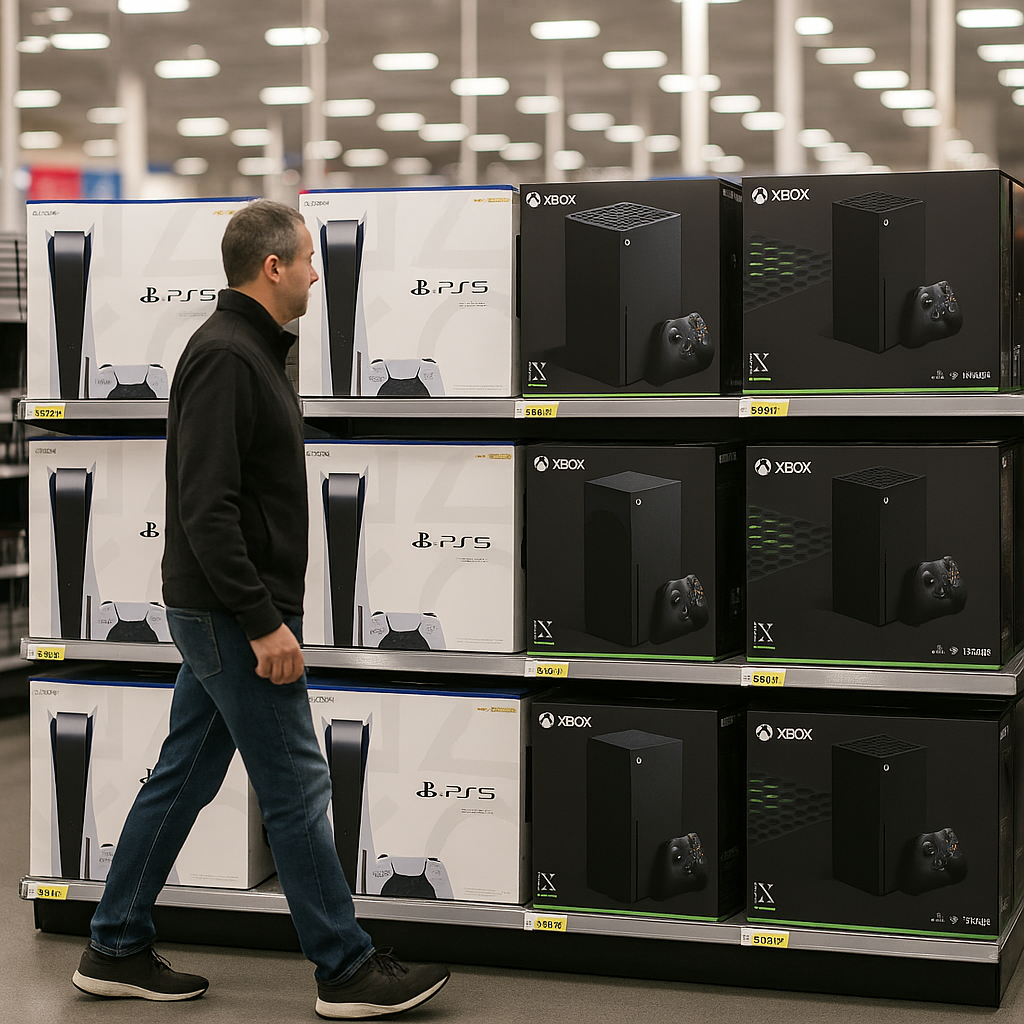
By targeting imports and increasing their costs, the government hoped to create incentives that would bolster U.S.-based production. However, the strategy backfired for companies like Nintendo, whose reliance on Asian manufacturing hubs such as Japan, China, and South Korea is foundational to their business model. Many corporations saw considerable increases in operational expenses, leaving them no choice but to pass them down via higher consumer prices or absorb the losses internally. In Nintendo’s case, the average price of its flagship consoles surged by around 15%, alienating potential customers in key markets.
Corporate Pushback and Legal Precedent
Nintendo’s lawsuit is far from an isolated incident. The Supreme Court’s declaration that the tariffs were illegal has opened floodgates for litigation. A variety of companies—including retailers like Costco and cosmetic brands like Revlon—are pursuing claims to recoup millions of dollars in excessive fees paid over the last two years.
“This litigation tidal wave is a wake-up call, one that underscores the far-reaching impacts of poorly executed trade policies,” says Sara Morrison, a trade policy researcher. “Gaming brands like Nintendo, which operate on razor-thin profit margins to ensure affordability and accessibility, were disproportionately caught in the crossfire of these tariffs. Their participation amplifies the stakes for how this issue gets resolved.”
Legal analysts believe that Nintendo’s position as a major international player could make its case particularly influential. If the company succeeds, it could give momentum to similar claims from industries that have historically remained beneath the radar in trade disputes. Furthermore, the lawsuit isn’t just about money but credibility—cementing a company’s right to push back when trade policies unfairly target specific sectors or regions.
Nintendo’s Calculated Strategy
This legal move comes amid a noticeable shift in Nintendo’s corporate strategy. Observers have noted that Nintendo of America recently reshuffled its leadership, appointing more legally and financially savvy executives. This has prompted speculation that managing complex regulatory upheavals and high-stakes litigation will take precedence over product innovation in the near term.
Critics argue that the current lawsuit could be a double-edged sword. On the one hand, it allows Nintendo to recover millions in lost revenue. On the other, it surfaces old frustrations from its customer base, who felt the pinch of price hikes during the height of the tariffs. A particular point of contention is whether companies like Nintendo are justified in seeking damages for tariffs that were largely passed down to end-users. Addressing this public relations challenge will likely fall to Nintendo’s leadership as the case receives more scrutiny in coming months.
What’s Next for Nintendo?
As Nintendo’s lawsuit makes its way through the judicial system, the case will bring new scrutiny to the balance of power between business interests and government enforcement. A win for Nintendo could set a powerful legal precedent, potentially emboldening other companies to pursue similar challenges in the future. Such a trend would fundamentally alter the relationship between corporations and government trade agencies.
Beyond the courtroom, Nintendo’s next steps will also include damage control on multiple fronts. Will the company’s customers, who endured significant price hikes during the tariff period, feel alienated by the optics of Nintendo seeking restitution only for itself? And can this lawsuit foster broader conversations about equitability in trade policies, ensuring that consumers aren’t the ones shouldering the cost of corporate losses?
As the judicial and public opinion battles unfold, industry enthusiasts are keeping a close watch. For now, it’s clear: Nintendo is far from game over—in fact, this may merely be the first level in a broader campaign for justice in global trade.