Images chosen by Narwhal Cronkite
Nintendo Takes on U.S. Government Over Illegal Tariffs
The beloved Japanese gaming giant, Nintendo, has taken an unusual step: it’s suing the United States government. This legal move, reported by industry sources and confirmed by Nintendo of America, represents a bold bid to challenge tariffs imposed during Donald Trump’s presidency. The case is significant not just for Nintendo but also for a growing list of major international corporations seeking restitution for what they argue was an unlawful economic policy.
Bringing Mario to the Courts: The Legal Context
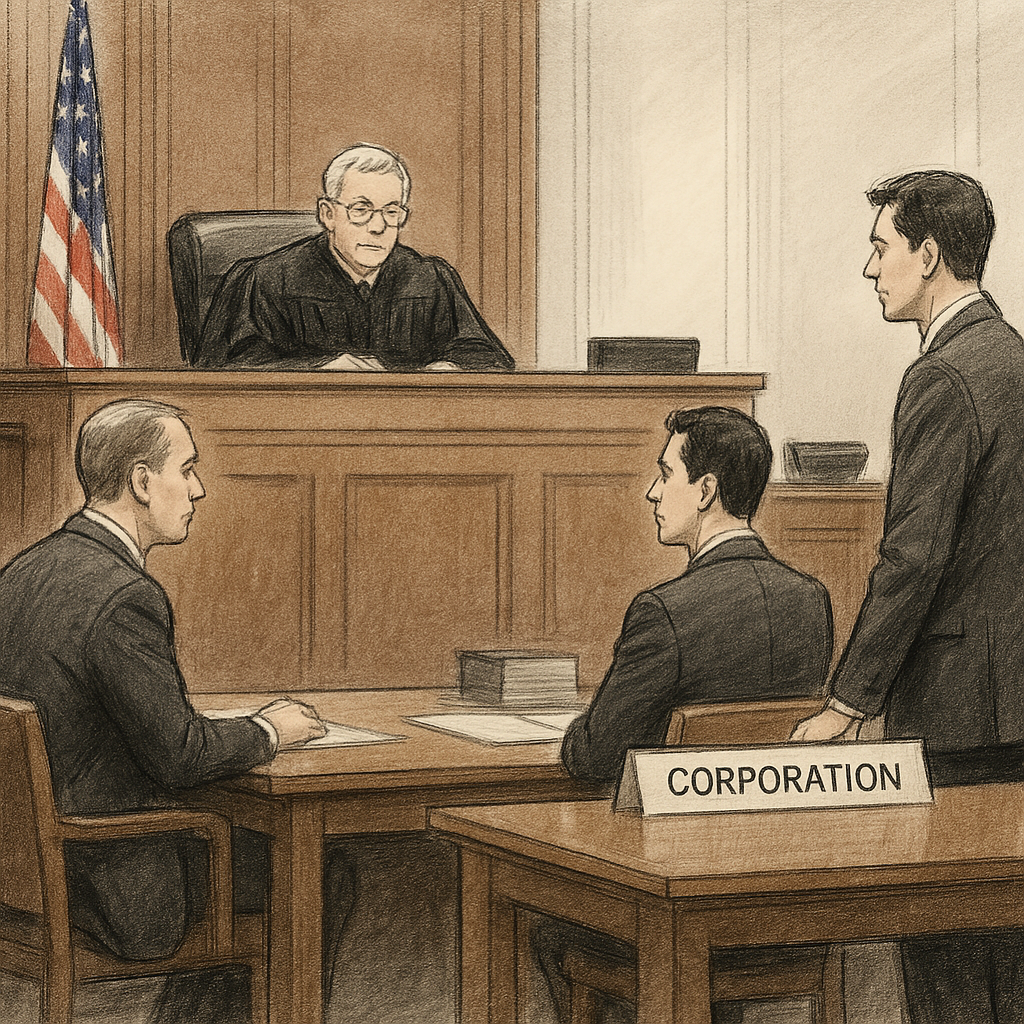
At the heart of Nintendo’s case is a claim that the U.S. government implemented tariffs in violation of federal law. The tariffs in question were imposed by executive order, targeting imports from numerous countries under the pretext of national economic security. While initially defended by the Trump administration as necessary to curb trade imbalances, the Supreme Court recently ruled them as illegal.
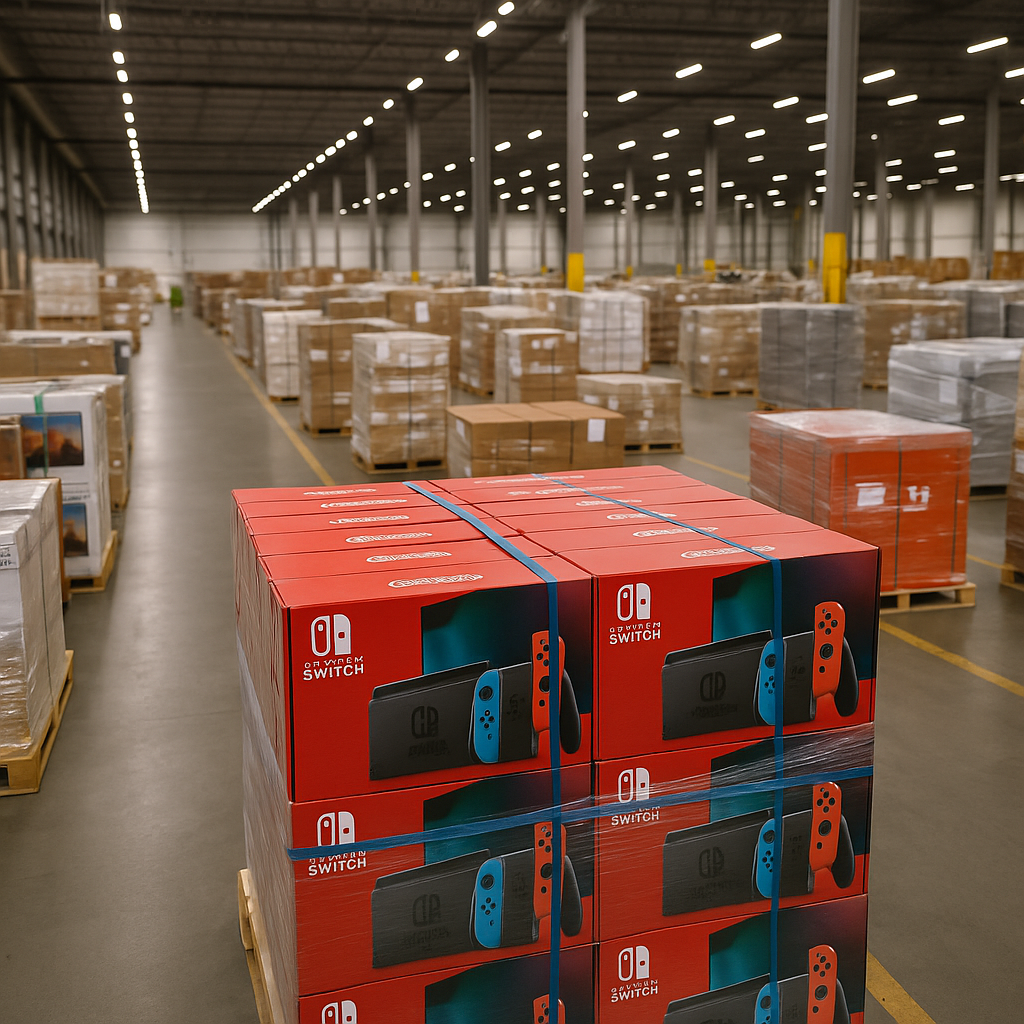
According to statements provided by Nintendo’s legal team, the company paid significant sums in tariffs since the enactment of these measures. The tariffs specifically impacted gaming consoles, accessories, and other electronics imported by Nintendo of America, which serves as the company’s primary distributor in the U.S. market. As an importer of record, Nintendo not only faced higher operational costs but also found itself weighing whether to pass these expenses on to consumers.
“This has been a nuanced and complicated issue for businesses operating in a highly international market,” said a prominent trade lawyer familiar with the case. “Nintendo’s decision to act reflects both its financial stakes and its desire to set precedent against such economic policies.”
The Bigger Picture: Corporate Backlash Against Tariffs
Nintendo is not the only corporation pursuing restitution. Major companies such as Costco and Revlon have filed similar lawsuits, arguing that the Trump-era executive orders unlawfully disrupted trade. Industry observers note this could signal a broader resistance to politically motivated policies that burden businesses.
The tariffs themselves were imposed under the International Emergency Economic Powers Act (IEEPA), which allows the president to regulate commerce during emergencies. However, critics argue that these tariffs were both poorly targeted and economically disruptive. According to a 2025 report published by Reuters, the tariffs led to an estimated $125 billion in higher costs for U.S. businesses, much of which was inevitably passed on to consumers through higher prices.
“These lawsuits go beyond reclaiming funds,” explained a technology policy analyst. “They are about sending a message that these policies need careful justification and oversight. The courts have now agreed that this was not the case here.”
Impact on Nintendo’s Operations and Consumers
For Nintendo, this legal battle could have significant implications beyond the money at stake. While the company has not disclosed the exact amount it seeks, observers estimate the total cost of tariffs paid could reach tens of millions of dollars. This represents considerable capital, even for a major powerhouse like Nintendo.
Historically, Nintendo passed some of its increased costs to customers, raising the prices of certain consoles and accessories in the U.S. to offset higher import duties. This strategy, while necessary from a business perspective, drew criticism from its loyal fanbase when Switch consoles became noticeably more expensive compared to overseas markets.
“This situation is ironic,” remarked one noted gaming analyst. “The very same consumers who had to bear the brunt of these tariffs are now indirectly rooting for Nintendo to win back their money. The hope for some might be that this legal victory could lead to price reductions sometime in the future, though such outcomes are rarely straightforward.”
Legal Standing and the Road Ahead
To file this lawsuit, Nintendo is leveraging its status as an importer of record. This legal standing gives the company the right to challenge specific duties levied on goods brought into the U.S. Its motion mentions reimbursement for not only the financial hit but also for interest owed in direct relation to those payments.
Experts suggest Nintendo’s case is compelling, especially given the recent Supreme Court ruling on the illegality of the tariffs. “The Supreme Court ruling reduces the legal burden for companies like Nintendo to prove their cases,” stated a legal academic who specializes in trade law. “However, that doesn’t mean the process will be easy or resolved quickly. These lawsuits often face delays and negotiations.”
As the case unfolds, the gaming community and financial stakeholders will likely keep a close eye on any ripple effects. Beyond the potential monetary compensation, this lawsuit may serve as a deterrent against future executive orders perceived to overreach their stated purpose.

What Comes Next?
While Nintendo’s statement was measured—declaring only confirmation of its legal filing—it is clear the gaming giant is taking this matter seriously. Other companies pursuing similar lawsuits are at varying stages of progress, and the outcomes of these cases could set important precedents for the industry at large.
For Nintendo’s business operations, a favorable outcome would mean a significant financial boost. This could bolster the company’s ability to invest in new hardware, gaming properties, and expanded services. However, in the broader context, this case shines a spotlight on the relationship between geopolitics and global commerce, particularly on industries that depend on international supply chains.
As court proceedings progress, watch for potential updates on settlement talks, rulings, and any broader movements within the gaming and tech industries to push back against protectionist policies. For Nintendo, this marks one of its most unconventional battles—one where the iconic blue shell might just prevail in the end.