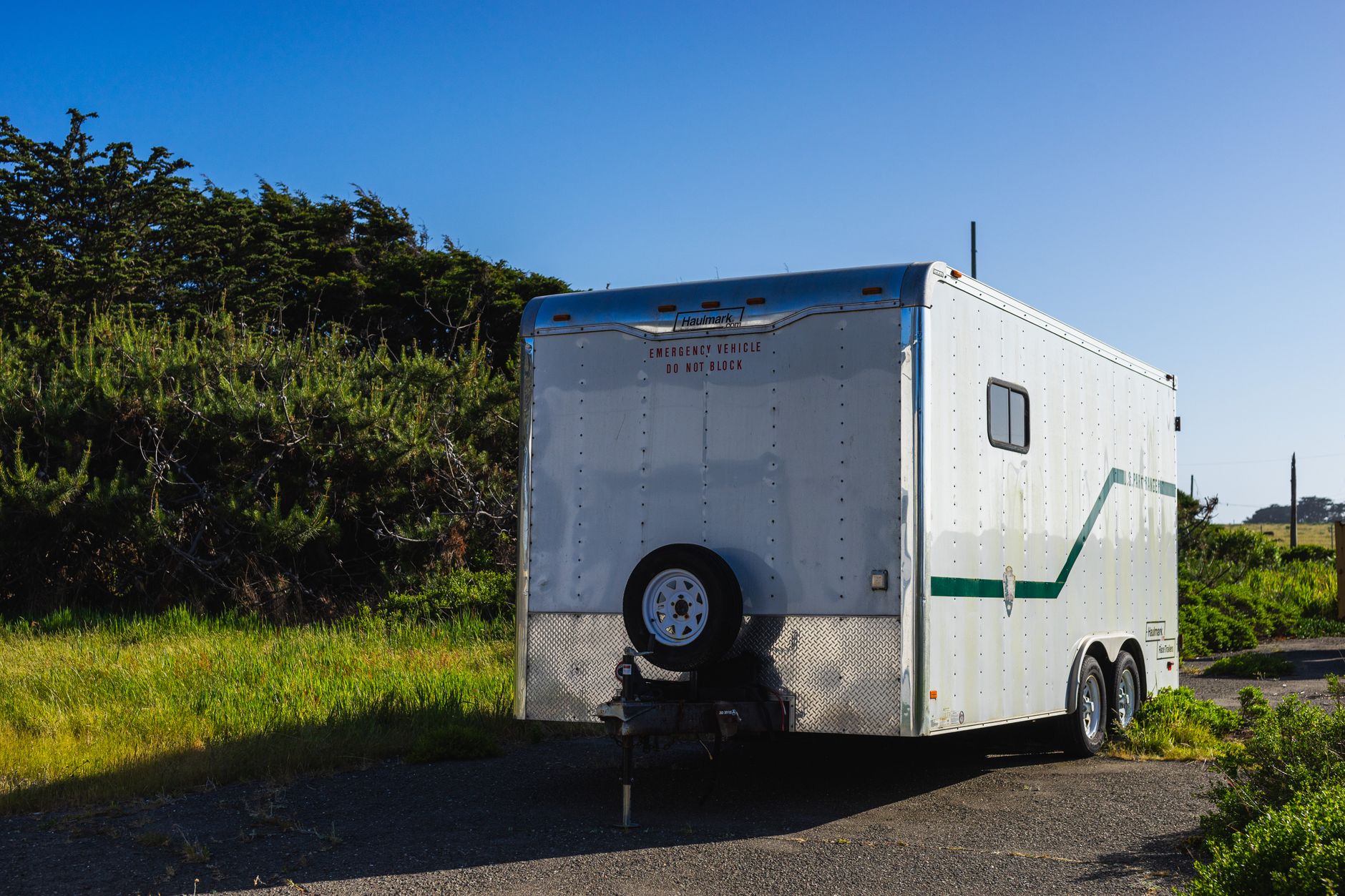
A pair of trailers stolen from a logistics yard this week turned out to be a costly disappointment for whoever took them: rather than the Nvidia hardware the thieves apparently expected, the cargo consisted of roughly 20 tons of sand. Authorities investigating the theft say the incident reflects a broader surge in freight crime targeting companies tied to the artificial intelligence boom.
What Happened
According to trucking industry sources and law enforcement briefed on the case, the trailers were taken from a staging area used by a logistics contractor that regularly moves freight for technology firms, including Nvidia. The trailers bore markings or paperwork that led thieves to believe they contained networking equipment or GPU server components — some of the most valuable cargo currently moving through North American supply chains.
Instead, when the trailers were recovered abandoned nearby, investigators found only sand, apparently used as ballast weight for testing or staging purposes rather than as a disguise. The mismatch left the culprits with a haul worth a few hundred dollars at most, compared to the potentially six- or seven-figure value of an actual Nvidia hardware shipment.
Why Nvidia Shipments Are a Target
Nvidia’s data-center GPUs, the chips powering much of the current generation of AI systems, have become some of the most sought-after items in global freight networks. Individual server racks loaded with the company’s high-end accelerators can be worth well over a million dollars, making them an increasingly attractive target for organized cargo theft rings.
Cargo theft monitoring groups, including CargoNet, have flagged a rise in thefts targeting electronics and semiconductor shipments over the past two years, as chip shortages and resale demand pushed black-market prices higher. Trailers, containers, and even entire truckloads have disappeared from parking lots, rest stops, and distribution yards, prompting shippers to adopt tighter tracking and decoy tactics.
Decoy Loads as a Security Tactic
Industry analysts say the sand-filled trailers may point to an emerging countermeasure: shippers deliberately mixing dummy loads with real ones, or using nondescript trailers for high-value cargo while leaving less critical vehicles more visibly parked and less closely guarded. If thieves scouted trailers based on branding, paperwork, or yard positioning rather than confirmed contents, a decoy strategy would explain the empty payoff.
Neither Nvidia nor the logistics contractor involved has issued a detailed public statement confirming whether the sand load was an intentional security measure or simply an unrelated shipment that happened to be present in trailers associated with the company’s supply chain. Investigators have not disclosed the exact location of the theft or how many suspects are believed to be involved.
Part of a Bigger Cargo Theft Wave
The incident lands amid a documented spike in cargo theft across the United States and Canada, with electronics, appliances, and now AI-related hardware among the most frequently targeted categories. Thieves have grown more sophisticated, sometimes using fraudulent carrier credentials or hacked freight-booking systems to reroute legitimate shipments before drivers or dispatchers notice.
That trend echoes other recent stories about the friction between rapid tech deployment and real-world security gaps, such as complaints over Amazon’s delivery drone rollout in Texas or disputes over hardware reliability like PNY’s denial of a warranty claim on a melted RTX 5090 cable. As AI hardware becomes more valuable and more visible in supply chains, companies are having to rethink not just how they build products, but how they move and protect them.
Investigation Ongoing
Law enforcement has not announced any arrests in connection with the theft, and it remains unclear whether the trailers themselves — separate from their contents — will be recovered or written off as a loss. Logistics security consultants note that even unsuccessful thefts like this one carry real costs, including trailer damage, lost transit time, and the expense of reviewing yard security protocols.
“Cargo criminals are increasingly chasing brand names rather than confirmed manifests,” one freight security analyst told trade publications following similar incidents this year. “That can work in a shipper’s favor when the targeted trailer isn’t carrying what thieves assume.”
For now, the case serves as an unusual data point in the broader story of how the AI hardware boom is reshaping not only demand for chips, but the tactics both criminals and companies use to protect — or disguise — where that hardware actually travels.